
 By Pat Kelly
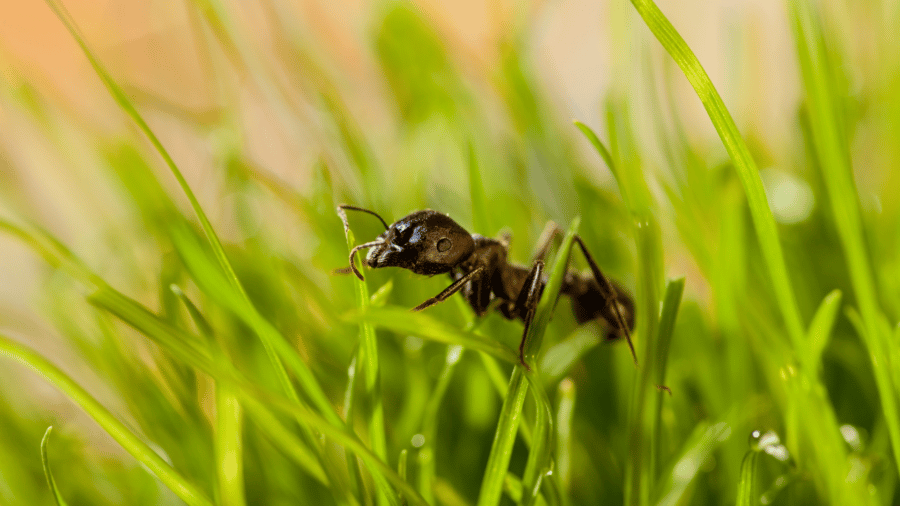
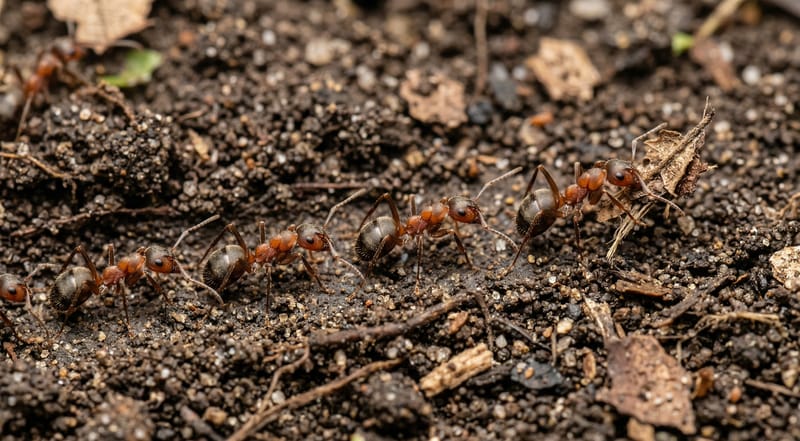
 Beneath every healthy lawn, millions of ants are quietly engineering the soil. They dig tunnels that aerate compacted ground, cycle nutrients from the surface into root zones, and hunt insects that damage turf. Ants in garden soil are not a problem to solve — they are a sign that your soil ecosystem is functioning. Research from university entomology programs consistently ranks ants among the most important soil-dwelling organisms for lawn and garden health.
The question most homeowners should be asking is not how to eliminate ants, but how to protect them. Synthetic herbicides — the same products millions of people spray on their lawns every spring — are quietly destroying the ant colonies that keep soil alive. Understanding what ants do for your soil, and what threatens them, changes the way you think about lawn care.
How Ants Benefit Your Soil
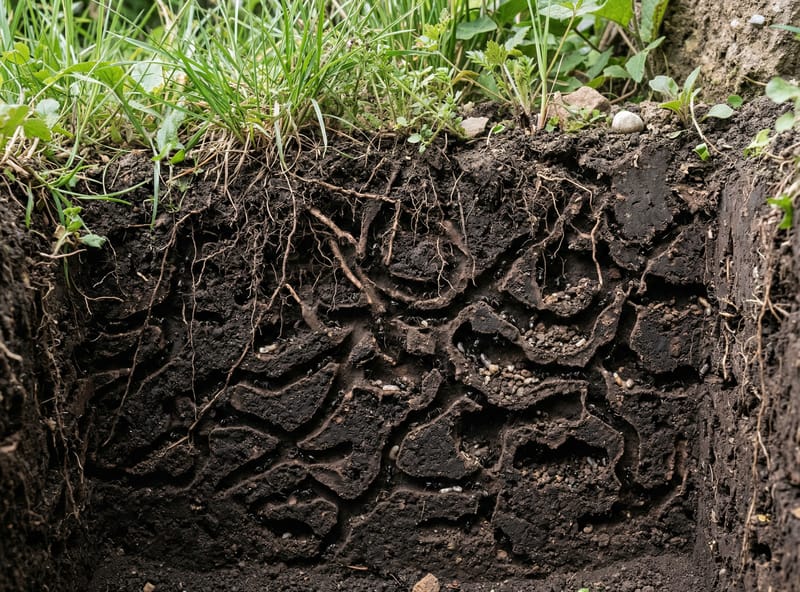
Ants are soil engineers. The tunnels they excavate serve the same function as mechanical aeration — loosening compacted ground, creating channels for water infiltration, and allowing oxygen to reach plant roots. But ants do this continuously, without the noise and cost of a lawn aerator. According to research from the University of Maryland Department of Entomology, a single ant colony can move several tons of soil per acre per year, redistributing particles from deep in the soil profile to the surface and back again.
This constant excavation improves soil structure in ways that directly benefit your lawn. Water penetrates deeper instead of pooling on the surface. Root systems expand into the channels ants create. Compacted clay soils — the kind that suffocate turf grass — are gradually broken up and mixed with organic matter. Lawns with healthy ant populations have measurably better drainage and root depth than lawns where ant colonies have been eliminated by chemical treatments.
The sheer scale of ant activity is easy to underestimate. The Entomological Society of America notes that ants are the dominant soil invertebrate in most temperate ecosystems, outnumbering earthworms, beetles, and other burrowing organisms by orders of magnitude. When you see small mounds of fine soil appearing in your lawn, that is evidence of active aeration happening below the surface — free of charge, around the clock.
Nutrient Cycling and Organic Matter
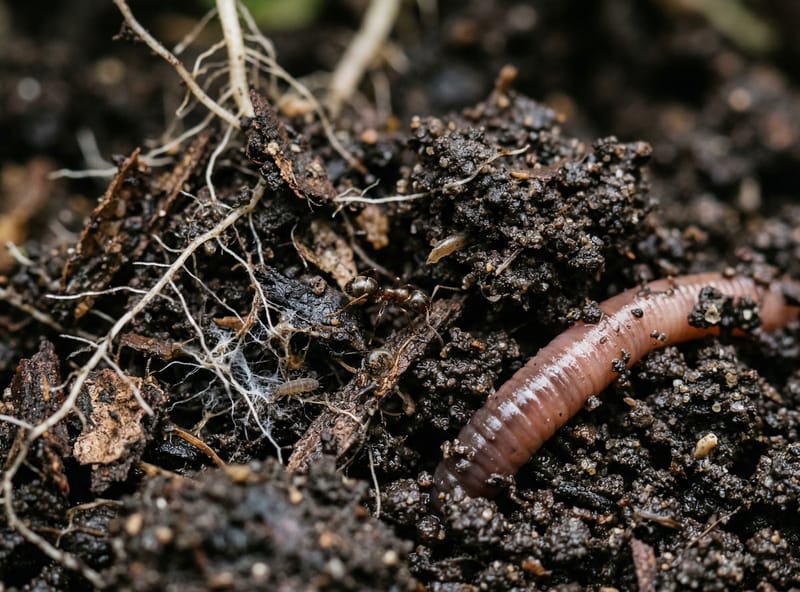
Ants do more than move dirt. They are active participants in nutrient cycling — the process that converts dead organic material into the compounds plants need to grow. Ants carry leaf fragments, dead insects, and other organic debris underground into their tunnels, where this material decomposes and enriches the surrounding soil with nitrogen, phosphorus, and potassium. Studies from Cornell University's Department of Entomology have documented significantly higher concentrations of plant-available nutrients in soil surrounding ant nests compared to nearby soil without colonies.
This nutrient redistribution is particularly important in lawns where homeowners are trying to reduce their dependence on synthetic fertilizers. Healthy ant populations provide a slow-release, natural fertilization process that supports grass growth without the runoff problems associated with chemical fertilizers. The ants essentially compost organic matter in place, directly in the root zone where grass needs it most.
Some ant species also cultivate fungal gardens inside their nests. These fungi decompose tough plant material — cellulose and lignin — that would otherwise take years to break down. The result is a richer, more biologically active soil that supports healthier turf. This is the kind of soil biology that synthetic chemical programs destroy and that organic approaches preserve.
Natural Pest Control Below the Surface
Ants are predators. Most lawn ant species actively hunt and consume insects that damage turf, including flea larvae, chinch bugs, caterpillars, and termite scouts. A single colony of common black garden ants can consume thousands of pest insects per season. This predation happens silently, below the surface, with no input or cost from the homeowner.
When synthetic herbicides and insecticides eliminate ant colonies, this natural pest control disappears. The result is often a secondary pest outbreak — the very pests that ants were keeping in check now proliferate unchecked, leading to more chemical applications in a destructive cycle. Research published in the Journal of Economic Entomology has documented this pattern repeatedly: broad-spectrum chemical applications disrupt predator-prey relationships and create pest problems that did not exist before treatment.
Protecting ant populations is not just good ecology — it is practical lawn management. Fewer pest insects means less damage to your turf, less need for insecticide applications, and a more resilient lawn overall. For more on how to kill weeds organically without killing grass, and why it matters for the organisms living in your soil, see our practical guide. Our full weed control guide walks through how to handle weeds without breaking the soil ecosystem underneath.
When Ants Become a Problem
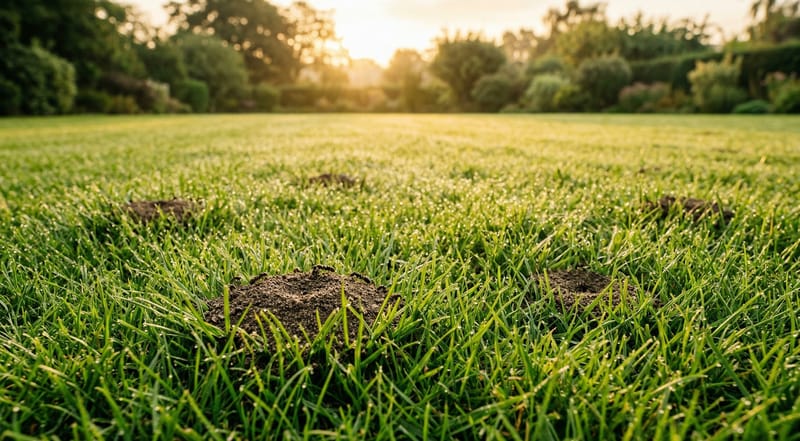
Not every ant situation requires tolerance. Large mounds in high-traffic areas create tripping hazards. Fire ants in southern regions pose a real sting risk, especially for children and pets. Carpenter ants that invade wooden structures cause genuine property damage. These are legitimate problems that warrant targeted action.
The key word is targeted. Broadcasting synthetic chemicals across an entire lawn to address a single problem colony destroys all ant populations — the beneficial majority along with the handful causing issues. A more rational approach is to identify the specific colonies creating problems and address them directly, while leaving the vast network of beneficial ants undisturbed.
Most common lawn ant species — pavement ants, field ants, and black garden ants — are completely harmless to people and pets. Their mounds are cosmetic nuisances at worst, easily flattened with a rake. The instinct to eliminate all ants is counterproductive. You are destroying a workforce that aerates your soil, cycles nutrients, and controls pests — services that no chemical product can replicate.
Ready to Take Back Your Lawn?
Salacia™ is the first OMRI-certified selective organic herbicide — kills weeds, not grass. Choose your lawn size:
How Synthetic Herbicides Harm Ant Populations
Synthetic herbicides are not designed to kill ants, but they do. Persistent compounds like atrazine, 2,4-D, and glyphosate contaminate the soil matrix where ants live, forage, and raise their larvae. The damage happens through multiple pathways: direct contact toxicity, ingestion of contaminated food sources, and disruption of the chemical signals ants use to navigate and communicate.
The effects are cumulative. A single application may not wipe out a colony, but repeated seasonal treatments — the standard protocol for most synthetic lawn care programs — gradually degrade ant populations until colonies collapse. Environmental toxicology research shows that repeated synthetic herbicide applications can significantly reduce soil invertebrate populations over several seasons. Ants, as the dominant soil invertebrate in most lawns, bear the heaviest losses.
This is not a side effect — it is a predictable consequence of saturating soil with persistent synthetic chemistry. For a compound-by-compound breakdown of these effects, see our guide on the hidden costs of synthetic herbicides. The same compounds that harm ants also leach into waterways — a connection documented in our report on pesticides in tap water.
How Organic Weed Control Protects Soil Ecosystems
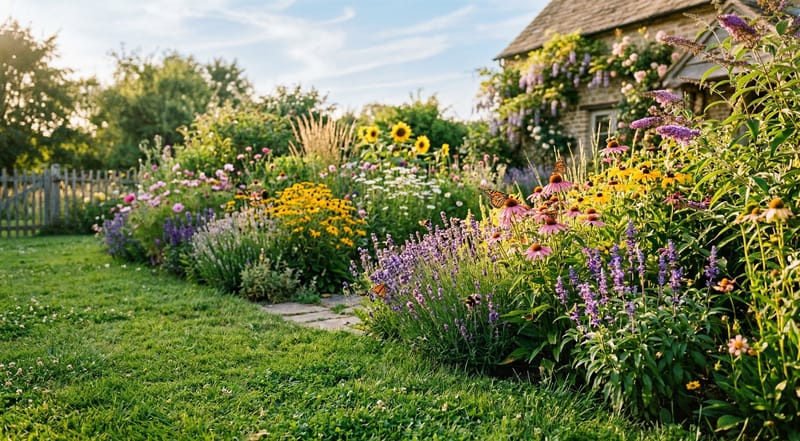
The fundamental difference between synthetic and organic herbicides is what happens in the soil after application. Synthetic compounds persist — they remain active in the soil profile for weeks, months, or in the case of atrazine, years. Organic herbicides work through physical mechanisms and break down naturally, leaving no persistent residues in the soil where ants and other beneficial organisms live.
Salacia — the first OMRI-certified selective herbicide — uses osmotic dehydration to kill broadleaf weeds. The mechanism targets weed foliage on contact. There is no synthetic compound that accumulates in soil, contaminates ant tunnels, or disrupts the chemical signals that ant colonies depend on. After the weed dies, the soil ecosystem continues to function undisturbed.
This is why OMRI certification matters. It verifies that a product meets the organic standards designed to protect soil biology — not just plant health, but the entire living system below the surface. Ants, earthworms, beneficial fungi, and the microbial communities that drive nutrient cycling all continue to function when you control weeds with an organic approach.
And because Salacia is selective, it kills broadleaf weeds while leaving your grass unharmed. After an application your grass may show some temporary paling or yellowing as it shrugs off the spray, and it greens back up on its own — so it is always worth testing a small area first before you treat the whole lawn. You do not have to choose between a weed-free lawn and a living soil ecosystem. For the first time, you can manage weeds without collateral damage to the organisms that make your soil healthy. The product is labeled Pet Friendly and leaves no persistent chemical residue in your yard. Learn more about why Pet Friendly labeling matters for the animals and organisms that share your lawn.

Lawn
Advisor
Not sure which weed you're looking at? Show Sal.
Sal is Lanaturo's lawn-care expert. He doesn't just name the weed — he builds your exact treatment plan and checks whether today is the right day to spray.
Ready to Take Back Your Lawn?
Salacia™ is the first OMRI-certified selective organic herbicide — kills weeds, not grass. Choose your lawn size:
Your Soil Is Alive. Treat It That Way.
The ants in your lawn are not pests — they are engineers. They aerate your soil, cycle nutrients into the root zone, and hunt the insects that damage your turf. Synthetic herbicides destroy this workforce. Organic weed control preserves it. Every lawn treated with OMRI-certified products keeps the soil ecosystem that makes healthy grass possible.
Pet Friendly — everything else second.
This article is for informational purposes. Always follow product label directions for application rates, timing, and use. Salacia is OMRI certified organic and labeled Pet Friendly.