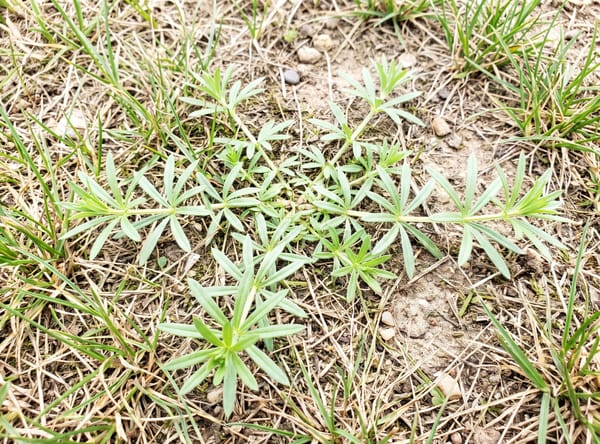
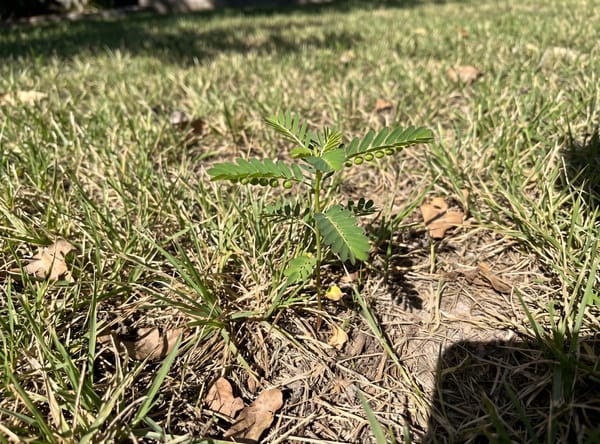
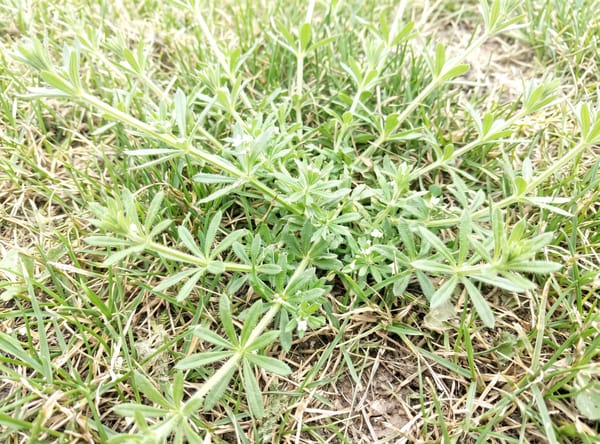
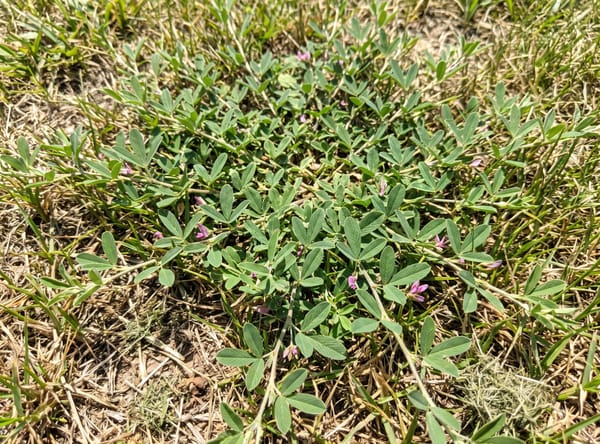
Salacia controls hundreds of broadleaf weeds through contact-based dehydration — no synthetic chemicals. Here are 75 of the most common — how to spot each one, what it does to a lawn, and exactly how to treat it.
Showing 75 of 75 weeds
Lawn Weed Identification & Treatment
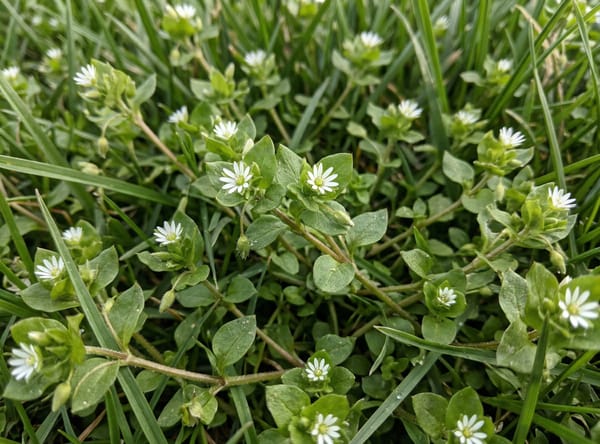
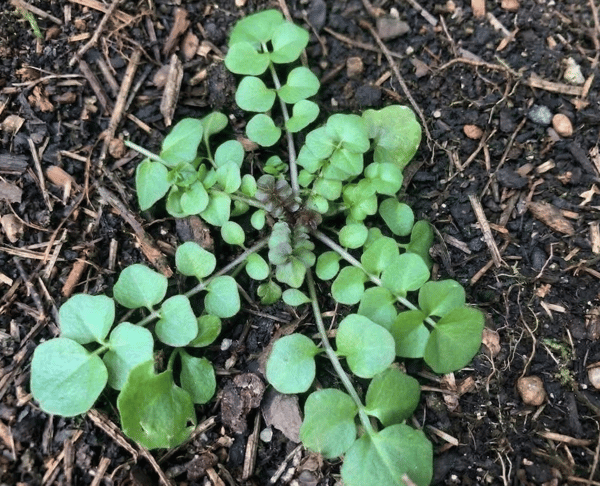
ChickweedStellaria media
BeforeAfter
A cool-season annual forming dense, low mats of small oval leaves with tiny white star-shaped flowers. One of the first weeds to emerge in late winter.
Lawn Safe
Applications
1-2
Mix Rate
3 scoops/gal
Selective rate (3 provided scoops per gallon) should be used. Chickweed forms dense, low-growing mats — get UNDER the canopy. Spray stems, undersides, and soil area around the base. Surface-only spray misses the hidden growth that drives regrowth. Always test a small area of your lawn first before full application.
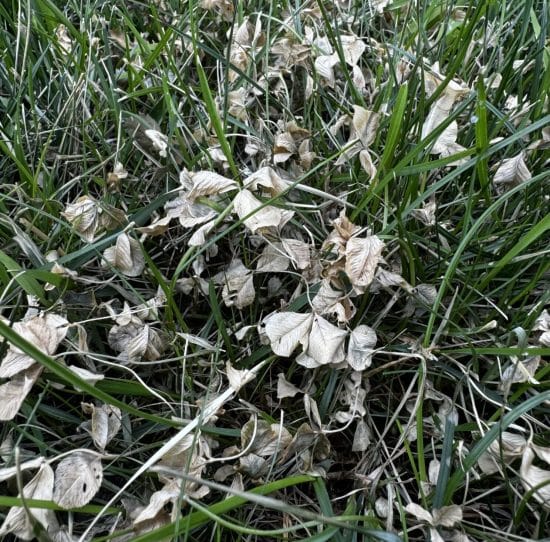
Usually, one good drenching application kills what it touches. Thrives in cool weather — often appears in fall and early spring.
Chickweed is highly responsive to Salacia. Full coverage is still critical — your results are directly proportional to your coverage.
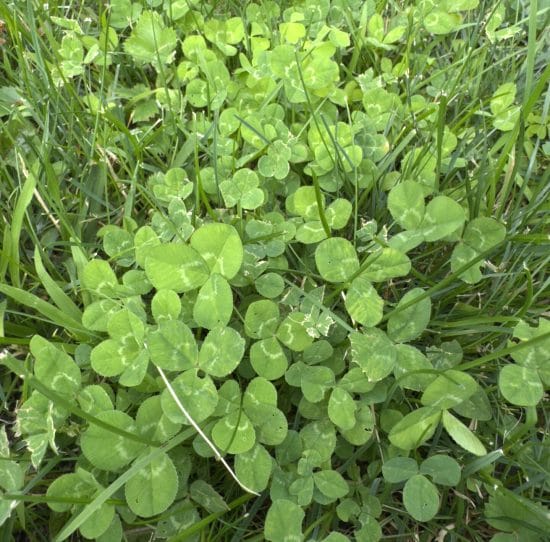
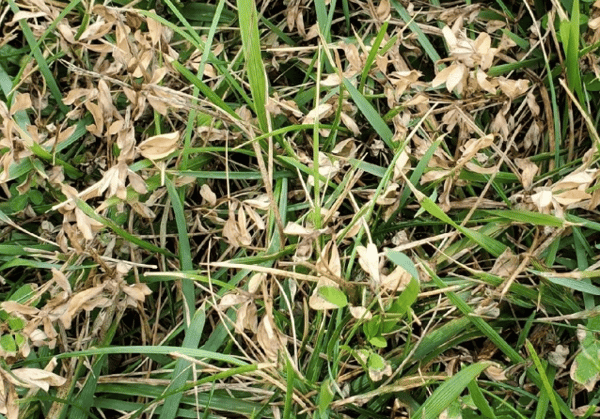
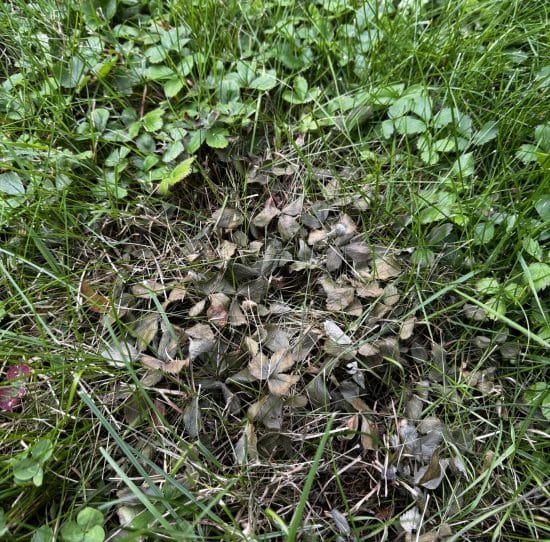
Low-growing mat-forming weed with distinctive three-leaf clusters. Thrives in nitrogen-poor lawns and spreads quickly through runners and seeds.
Lawn Safe
Applications
1-3
Mix Rate
3 scoops/gal
Selective rate (3 provided scoops per gallon). Clover application depends on the pattern: (a) DENSE PATCH/CARPET — patch-blanket the colony: drench the whole patch until runoff, get UNDER the canopy (spray stems, undersides of leaves, and soil area around the base where the hidden growth lives). Stop the spray at the edge of the colony — DO NOT extend onto surrounding clean lawn. (b) ISOLATED INDIVIDUAL CLOVER PLANTS — spot-treat each one, drench foliage + crown. Never recommend blanket-spraying the entire lawn. Always test a small area first.
Usually, one good drenching application kills what it touches. Regrowth 1-3 weeks later is new growth from the seed bank, not incomplete kill — retreat new growth as it appears.
Clover is among the most responsive weeds to Salacia. Full coverage of the patch is still critical — your results are directly proportional to your coverage. Reminder: patch-blanket means blanket the COLONY ONLY, never the whole lawn.
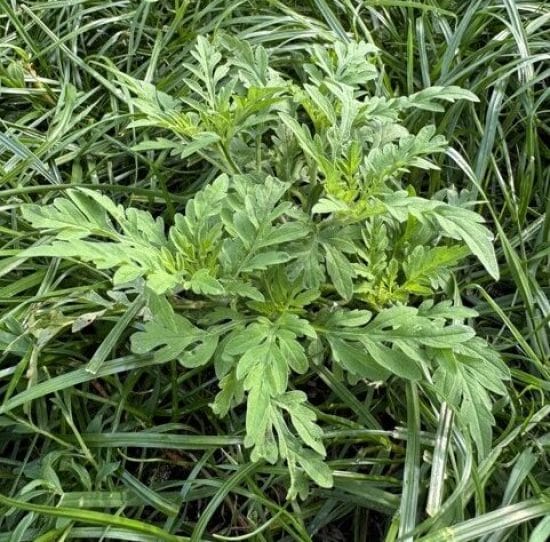
A major allergen-producing annual weed that can grow several feet tall. Each plant produces millions of pollen grains per season.
Lawn Safe
Applications
1-2
Mix Rate
3 scoops/gal
Selective rate (3 provided scoops per gallon) should be used. Apply generously to all foliage, stems, and the crown area until runoff. Ragweed can grow tall — make sure to get full coverage on all leaf surfaces and stems. Always test a small area of your lawn first before full application.
Usually, one good drenching application kills what it touches. Annual weed — new plants may emerge from seeds throughout the growing season.
Ragweed is a major allergen producer. Treat before it flowers to prevent pollen release. Full coverage on all plant surfaces is the #1 success factor.
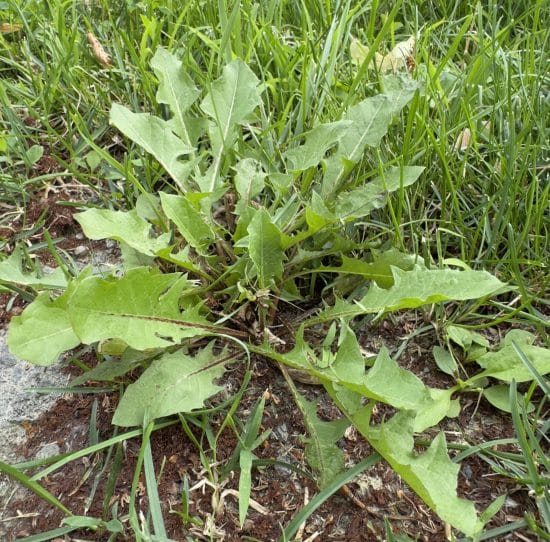
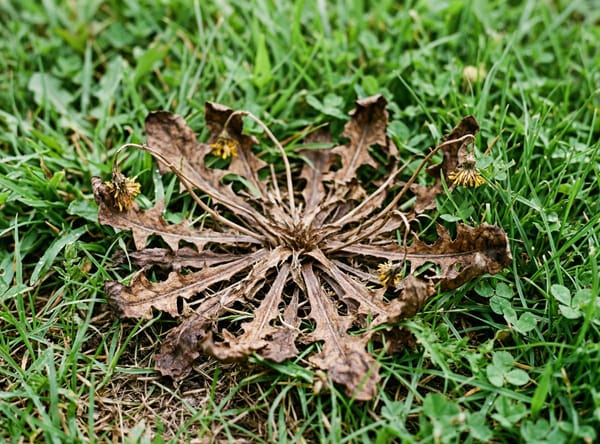
The most recognized lawn weed with bright yellow flowers and deep taproots. Spreads rapidly via wind-carried seeds.
Lawn Safe
Crown Pooling
Applications
2-3
Mix Rate
3 scoops/gal
Spot-treat each dandelion individually - never blanket spray. Two rate options:
1) SELECTIVE RATE (3 provided scoops per gallon) - the default. Spray each plants leaves until runoff, then pool/accumulate solution directly in the crown (center rosette). Check the crowns at 2-3 weeks - a taproot that pushes new leaves gets a spot touch-up; one good drench with the crown pooled usually finishes it.
2) NON-SELECTIVE RATE (4 heaping provided scoops per gallon) - stronger, faster. Same spot-treatment method. Typically one application is enough. ONLY use this rate if you can prevent overspray on surrounding grass - the non-selective rate (4 heaping provided scoops per gallon) will burn grass it contacts.
In both cases: spray leaves AND pool in the crown of every single plant. Always test a small area first.
Selective rate (3 provided scoops per gallon) in lawn: usually one good drenching application with the crown pooled kills it; a taproot that pushes new leaves at 2-3 weeks gets a spot touch-up. Non-selective rate (4 heaping provided scoops per gallon, in lawn or out): one drenching application is typically enough. New dandelions may emerge from the extensive seed bank weeks later - this is normal regrowth from seed, not failure of the original treatment. Retreat new rosettes as they appear.
Crown pooling is the #1 success factor for dandelions. Without it, the plant will regrow from the crown even if leaves wilt. Spray leaves AND pool in the crown - every single plant. When using the non-selective rate (4 heaping provided scoops per gallon) in lawn, be careful with overspray - that rate will burn grass it contacts.
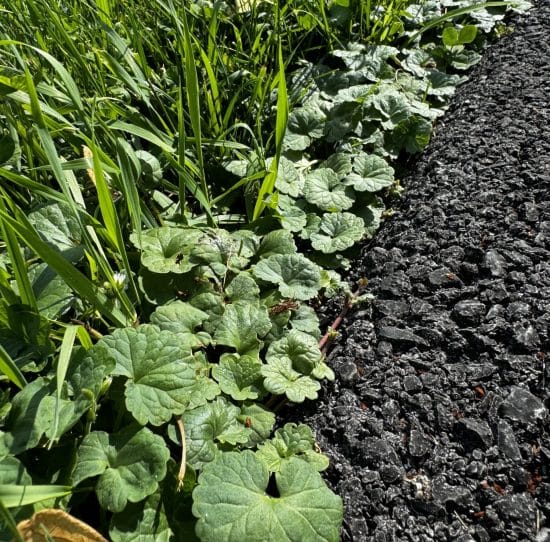
A creeping perennial with round, scalloped leaves and a minty smell when crushed. Spreads aggressively via stolons, especially in shady areas.
Lawn Safe
Applications
1-2
Mix Rate
3 scoops/gal
Selective rate (3 provided scoops per gallon). Ground ivy / creeping charlie forms dense, spreading mats — patch-blanket the colony: drench the whole patch until runoff, get UNDER the canopy. Lift mat edges if needed and spray stems, undersides of leaves, and the soil area beneath (the hidden runners drive regrowth if you only treat the surface). Stop the spray at the edge of the patch — DO NOT extend onto surrounding clean lawn. For isolated runners or new outposts beyond the main patch, spot-treat each one with full coverage. Never recommend blanket-spraying the entire lawn. Always test a small area first.
Usually, one good drenching application kills what it touches. Ground ivy is aggressive — follow-up treatments as new runners emerge.
Ground ivy is one of the most persistent weeds. Full coverage of the patch is absolutely critical — canopy, stems, undersides, soil area. Multiple angles if needed. Reminder: patch-blanket means the COLONY ONLY, never the whole lawn.
A winter annual with square stems, rounded scalloped leaves, and small pink-purple flowers. Covers bare patches in early spring before warm grasses green up.
Lawn Safe
Applications
1-2
Mix Rate
3 scoops/gal
Selective rate (3 provided scoops per gallon) should be used. Henbit forms upright clusters with square stems — spray all foliage, stems, and the soil area around the base until runoff. Get full coverage including lower leaves that hide near the ground. Always test a small area of your lawn first before full application.
Usually, one good drenching application kills what it touches. Winter annual — germinates in fall, flowers in early spring. Treat early for best results.
Henbit often appears in dense patches in early spring. Full coverage is critical — do not just mist the tops. Get the stems and lower growth that drive the plant.
A hazardous perennial vine or shrub with distinctive three-leaflet clusters. Its oil (urushiol) causes severe allergic skin reactions in most people upon contact.
Applications
1-2
Mix Rate
4 scoops/gal
Non-selective rate (4 heaping provided scoops per gallon) should be used. Apply very generously to all leaves (front and back), stems, and vines. Drench until runoff. Precision targeting to avoid overspray on desirable plants. Always wear full protective clothing.
3+ applications typical. Poison ivy is extremely persistent — repeat treatments as new growth emerges. May require treatment across multiple seasons.
CRITICAL SAFETY: Wear full protective clothing — long sleeves, pants, chemical-resistant gloves, and eye protection. Urushiol oil causes severe allergic reactions. Wash all equipment and clothing thoroughly after use. Do NOT burn poison ivy — smoke carries urushiol and can cause severe respiratory reactions.
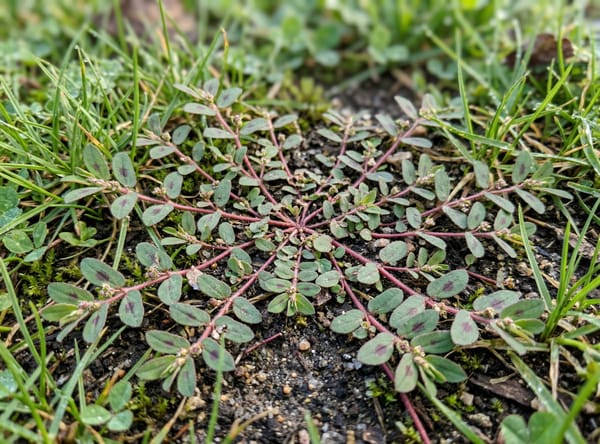
A low-growing summer annual forming flat, spreading mats with small oval leaves and milky white sap. Thrives in hot, dry conditions and thin turf areas.
Lawn Safe
Applications
1-2
Mix Rate
3 scoops/gal
Selective rate (3 provided scoops per gallon) should be used. Spurge grows flat against the ground — get UNDER the canopy and spray stems, undersides, and the soil area around the base. Surface-only spray misses the prostrate growth habit. Always test a small area of your lawn first before full application.
Usually, one good drenching application kills what it touches. Best controlled when young before it spreads into large mats.
Milky sap may cause skin irritation — wear gloves when handling. Spurge grows flat and tight to the ground, so getting under the canopy is the key challenge.
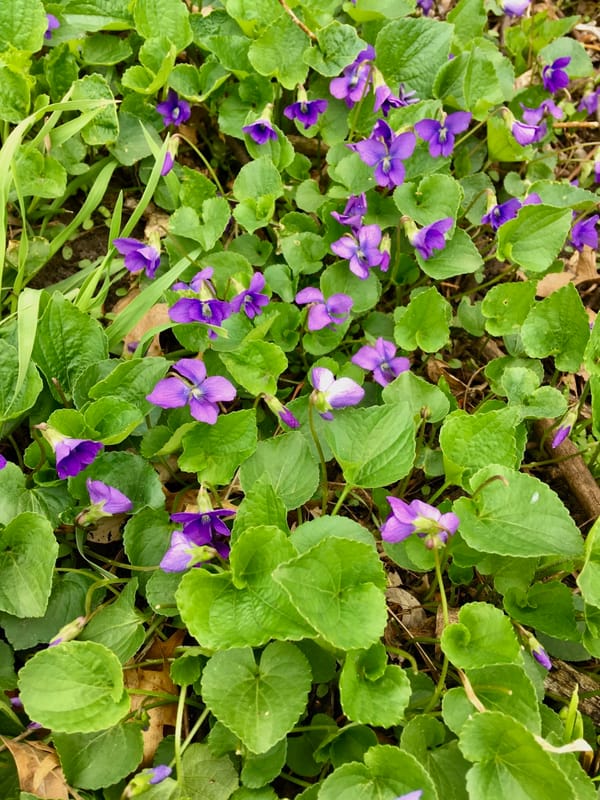
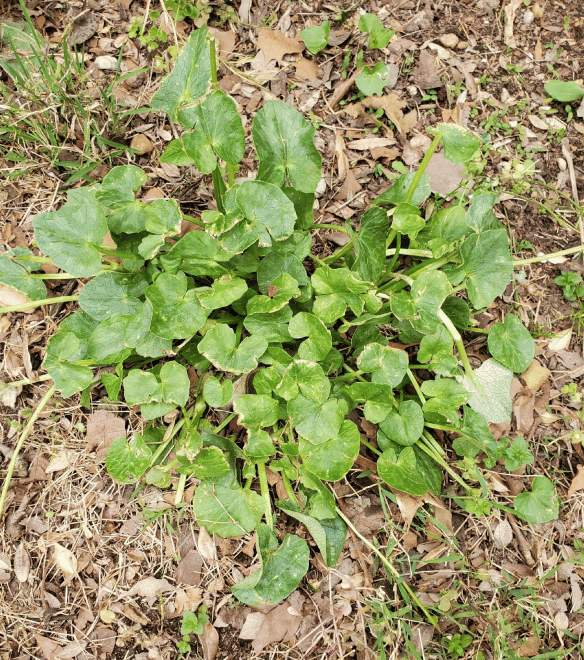
A persistent perennial with heart-shaped leaves and a waxy surface that resists sprays. Thrives in shady, moist areas of the lawn.
Lawn Safe
Applications
1-2
Mix Rate
3 scoops/gal
Selective rate (3 provided scoops per gallon) should be used. Wild violet has waxy leaves — product can bead off the surface. Thorough drenching coverage is critical. Get the undersides of leaves where the wax coating is thinner. Spray stems and soil area around the crown. Always test a small area of your lawn first before full application.
Usually, one good drenching application kills what it touches. Waxy leaves resist initial treatment — regrowth is handled by follow-ups.
The waxy leaf surface is the main challenge. Do not mist — drench. Get undersides where wax is thinner. Your results are directly proportional to your coverage.
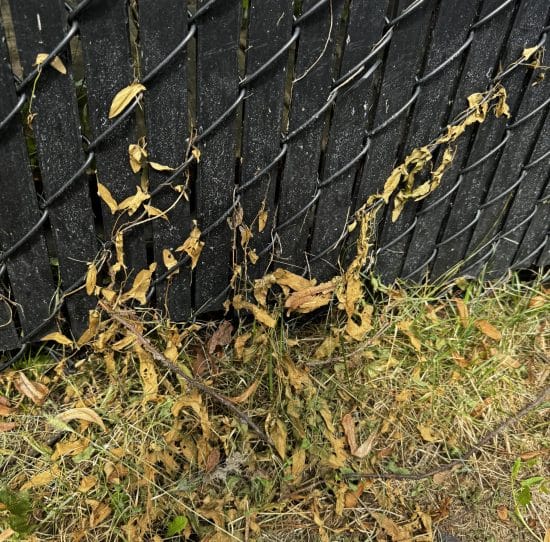
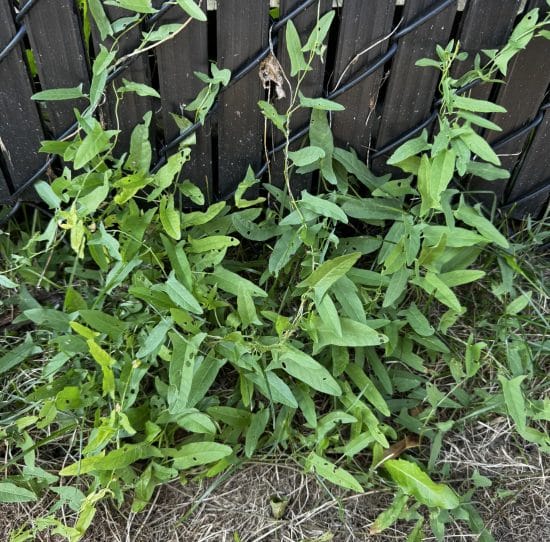
A twining vine that wraps around fences and plants, spreading aggressively through deep roots that can extend over 20 feet underground.
Lawn Safe
Applications
1-2
Mix Rate
3 scoops/gal
Selective rate (3 provided scoops per gallon) should be used. Trace vines back to the base and spray the entire length — leaves, stems, and crown. Bindweed tangles through grass, so targeted application preserving surrounding turf is important. Always test a small area of your lawn first before full application.
Usually, one good drenching application kills what it touches. Deep root system means persistence may be required for complete control.
Bindweed has an extensive deep root system. Trace every vine back to the base — the crown and root zone are where regrowth originates. Full coverage along the entire vine is critical.
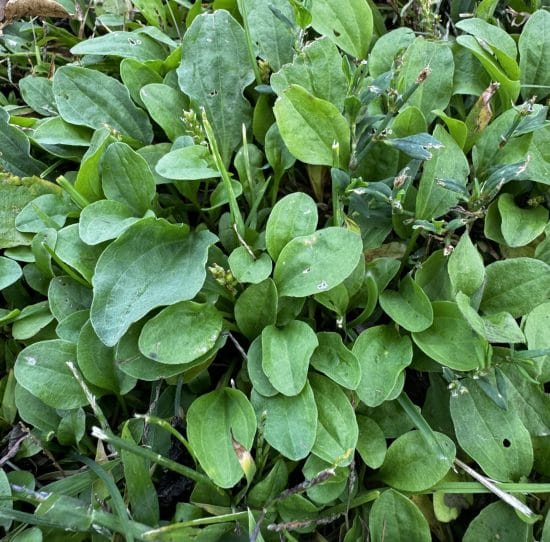
A tough rosette-forming perennial with broad, ribbed leaves. Tolerates compacted soil and heavy foot traffic where grass struggles.
Precision Required
Crown Pooling
Applications
1-2
Mix Rate
4 scoops/gal
Non-selective rate (4 heaping provided scoops per gallon) should be used. with surgical precision. Treat as EARLY as possible — young plantain is much easier to kill. Once it matures, the crown hardens and control becomes significantly harder. Soak every leaf top and bottom, every stem, and pool product into the crown until it drips off. If it's not dripping, you haven't used enough. Target only the weed to protect surrounding grass. Mow first for better penetration. Always test a small area first.
Usually, one good drenching application kills what it touches. Plantain is a tough broadleaf — the broad, ground-hugging leaves need drenching coverage to contact the crown. Retreat new rosettes from the taproot as they appear.
Plantain is the toughest broadleaf weed you'll face. Early treatment is critical — a young plantain is a dead plantain, but a mature one fights back hard. Light spraying does nothing — if it's not dripping off the leaves, add more. Crown pooling is critical: pool product at the base where the leaves meet the root. One heavy, precise application per plant is the norm: drench to dripping and pool solution at the crown; a rosette that pushes back from the taproot gets a spot touch-up. Be patient, be aggressive, and don't hold back on product.
Corn SpeedwellVeronica arvensis
BeforeAfter
A small winter annual with tiny blue flowers and scalloped leaves. Forms dense patches in thin turf during cool months before dying back in summer.
Lawn Safe
Applications
1-2
Mix Rate
3 scoops/gal
Selective rate (3 provided scoops per gallon) should be used. Corn speedwell is small and low-growing — get thorough coverage on all tiny leaves, stems, and the soil area around the base. Easy to under-spray due to its small size. Always test a small area of your lawn first before full application.
Usually, one good drenching application kills what it touches. Annual/winter annual — seeds can germinate in fall and early spring.
Corn speedwell is tiny and easy to under-spray. Its small size means you need to slow down and ensure every plant gets full coverage. Do not rush through patches.
CrabgrassDigitaria sanguinalis
BeforeAfter
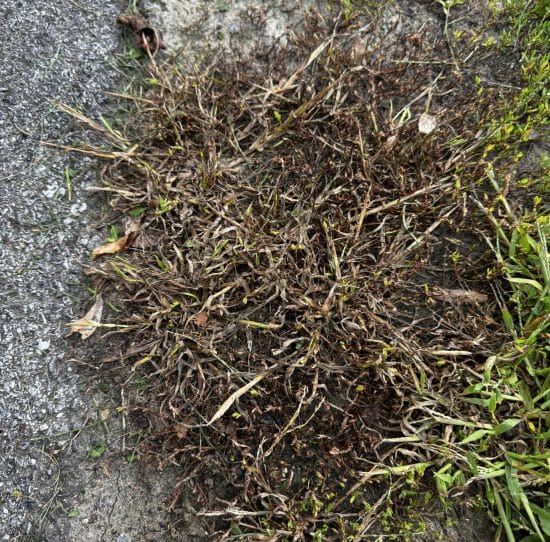
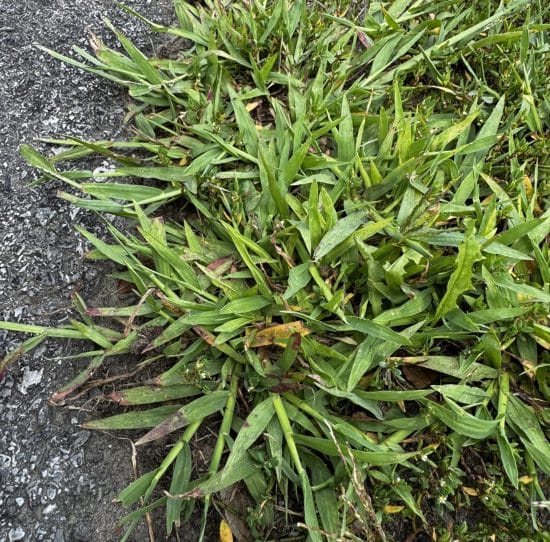
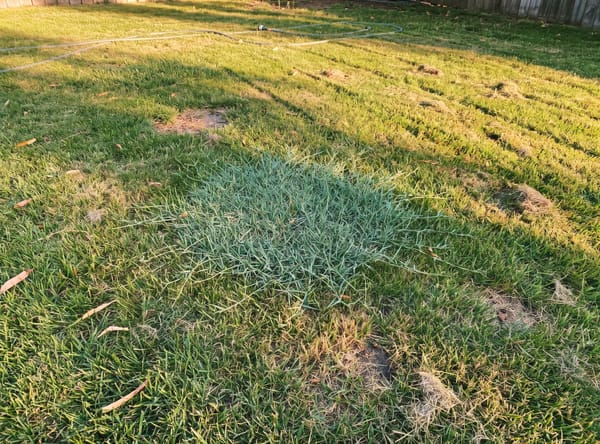
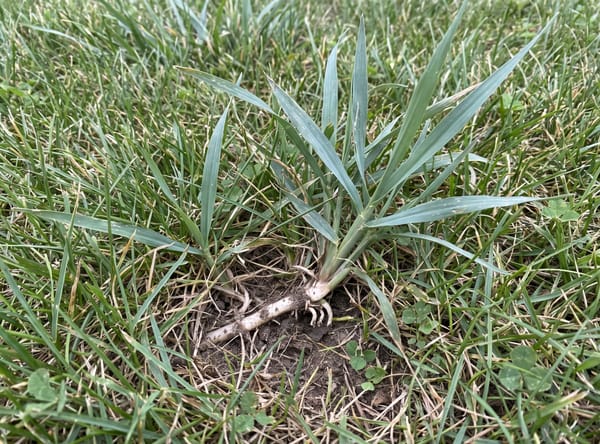
An aggressive annual grass that forms flat, spreading clumps in thin or stressed turf. Thrives in hot summer conditions.
Precision Required
Applications
1-2
Mix Rate
4 scoops/gal
Salacia is non-selective on grasses, so it CAN kill crabgrass but only at the non-selective rate (4 heaping provided scoops per gallon), which WILL damage surrounding lawn grass. Only practical as a whole-area renovation of a dense patch, not for scattered plants. Mow the patch down low first - spraying tall, long stems wastes product and barely works. Then drench at the non-selective rate with heavy volume and soak the soil around the base until saturated, so the solution reaches the roots and crown. One good drenching application kills the plants you spray; touch up new seedlings as they emerge, then overseed once the crabgrass is dead.
Usually, one good drenching application kills what it touches; new seedlings from the seed bank get spot touch-ups. Mow, drench, and re-treat regrowth and new seedlings from the soil seed bank as they appear - one pass rarely finishes an established grassy weed.
Crabgrass is a grass - Salacia cannot distinguish it from lawn grass, so the rate that kills it also damages surrounding turf. Mow first and soak the soil and root zone: wetting the blades alone will not kill it, the solution has to reach the roots and crown.
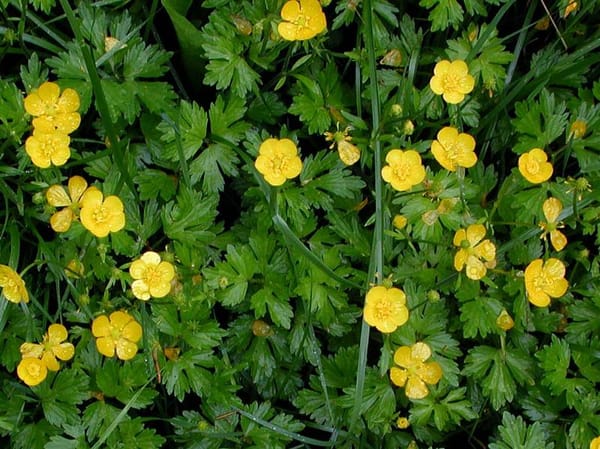
A perennial with glossy yellow flowers and three-lobed leaves. Spreads rapidly through above-ground runners, especially in wet, poorly drained areas.
Lawn Safe
Applications
1-2
Mix Rate
3 scoops/gal
Selective rate (3 provided scoops per gallon) should be used. Creeping buttercup spreads via stolons (runners) — trace runners and spray all leaves, stems, stolons, and the soil area around each rooting point. Get UNDER the leaf canopy for full coverage. Always test a small area of your lawn first before full application.
Usually, one good drenching application kills what it touches. Spreads via stolons that root at nodes — treat the full connected network.
Creeping buttercup spreads via above-ground stolons that root at each node. Every runner and rooting point needs treatment — missing connected plants allows the network to regenerate. Note: buttercup sap can cause mild skin irritation — wear gloves.
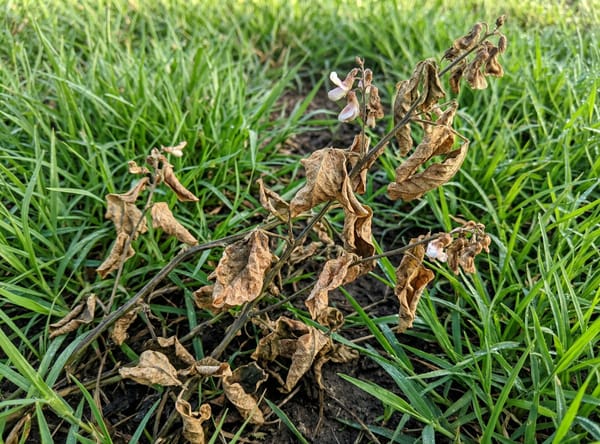
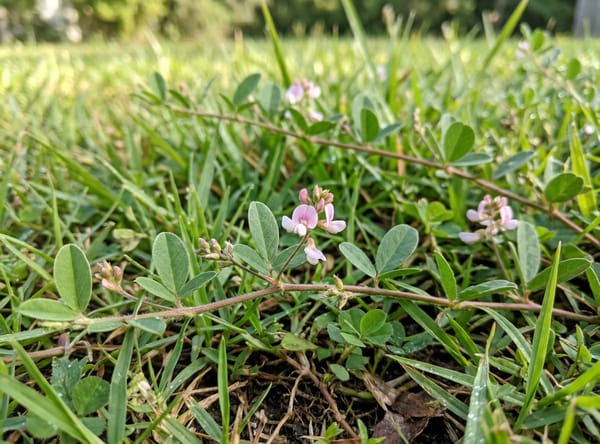
A low-growing perennial legume with trailing hairy stems that creeps along the ground, forming dense mats in lawns. Produces sticky segmented seedpods that cling to clothing and animal fur.
Lawn Safe
Applications
1-3
Mix Rate
3 scoops/gal
Selective rate (3 provided scoops per gallon) should be used. Tick trefoil forms dense trailing mats — get UNDER the canopy, not just the top surface. Spray stems, undersides of leaves, and soil area around the base. The hidden growth underneath is what comes back if you only treat the surface. Always test a small area of your lawn first before full application.
Usually, one good drenching application kills what it touches. Regrowth 1-3 weeks later is new growth from the seed bank, not incomplete kill — retreat new growth as it appears.
Trailing stems root at nodes where they contact soil — trace runners back to origin points and spray thoroughly. Sticky seedpods spread via mower decks, clothing, and pets, so treat before pods form to prevent spread.
Field BurrweedSoliva sessilis
BeforeAfter
A low-growing winter annual with finely divided, carrot-like leaves and small spiny burs that are painful to bare feet and pets. Thrives in thin, warm-season turf.
Lawn Safe
Applications
1-2
Mix Rate
3 scoops/gal
Selective rate (3 provided scoops per gallon) should be used. Burrweed forms low, flat mats close to the ground — get UNDER the canopy. Spray all foliage, stems, and the soil area around the base until runoff. Treat early in winter or early spring before the spine-tipped burs form. Once burs are present, seeds are already set. Always test a small area of your lawn first before full application.
Usually, one good drenching application kills what it touches. Winter annual — germinates in fall, matures in spring. Treat as early as possible for best results. New plants emerge from seeds each fall.
Timing is everything with burrweed. The plant is small and easy to kill in winter - December through February is the window - but by spring it produces sharp spine-tipped burs that are painful to step on. Treat before burs form. Note that the burs stay sharp in the lawn even after the plant itself dies, so a lawn can still hurt to walk on after a successful treatment; that is the old burs, not a failed application. Do not confuse it with sandburs, which are a grass on a summer cycle - working the wrong calendar wastes the whole season. The mat-forming habit means you need full coverage underneath - light surface spray will miss hidden growth.
An early-spring perennial with glossy, heart-shaped leaves and bright yellow flowers. Spreads via underground tubers and bulbils.
Lawn Safe
Applications
1-2
Mix Rate
3 scoops/gal
Selective rate (3 provided scoops per gallon) should be used. Lesser celandine has glossy, heart-shaped leaves — the glossy surface can cause product to bead off. Drench thoroughly to overcome the waxy coating. Spray all leaves, stems, and the soil area around bulbils/tubers. Always test a small area of your lawn first before full application.
Usually, one good drenching application kills what it touches. Reproduces via underground bulbils and tubers — retreat new growth from bulbils and tubers as it emerges.
Lesser celandine reproduces via underground bulbils that survive surface treatment. Thorough coverage of both foliage and the soil/crown area is essential; regrowth from tubers gets a spot touch-up. Glossy leaves require drenching, not misting.
An invasive annual broadleaf weed in the Moraceae (mulberry) family. Despite the name 'crabweed', this is NOT a grass — it is a dicot broadleaf with toothed, hairy leaves. Grows upright 6-18 inches with opposite leaves. Explosive seed dispersal — seeds shoot several feet from the plant. Common in mulch beds, container nurseries, and disturbed areas in the southeastern US.
Lawn Safe
Applications
7-10
Mix Rate
3 scoops/gal
Selective rate (3 provided scoops per gallon) should be used. Spray the toothed leaves and stems thoroughly. The hairy texture traps spray well. Treat while young — mature plants are tougher; any regrowth gets a spot touch-up.
Usually, one good drenching application kills what it touches. Treat young plants once. Mature plants may need a follow-up in 7-10 days.
None. No irritants, but handle before seeding — seeds eject several feet when the plant is disturbed.
Hoary BowlesiaBowlesia incana
BeforeAfter
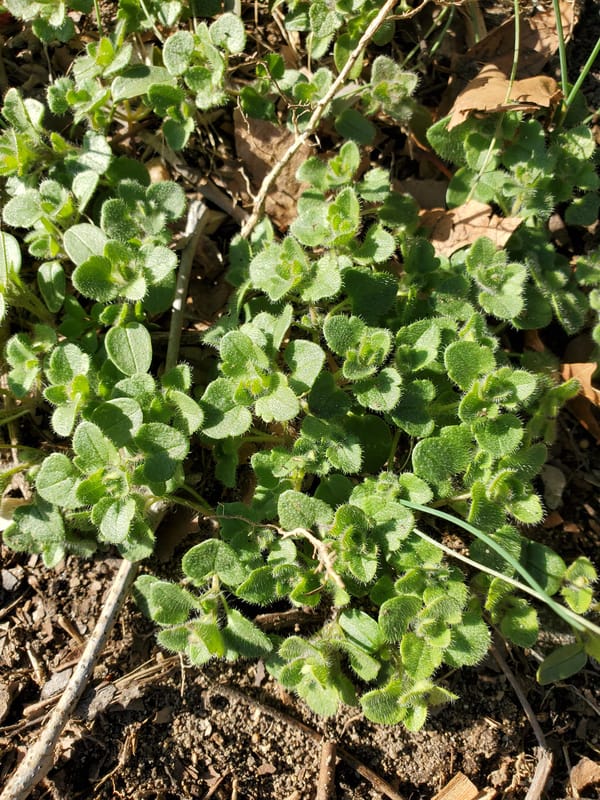
A low-growing winter annual broadleaf with distinctive round scalloped leaves covered in fine star-shaped hairs. Grows in clusters close to the ground in mulch beds, garden borders, and shaded thin lawns. Native to South America, increasingly common in the southeastern US. Delicate stems and very soft tissue.
Lawn Safe
Applications
1-2
Mix Rate
3 scoops/gal
Selective rate (3 provided scoops per gallon) should be used. Spray directly onto the round leaf clusters. The fine hairs on the leaves trap spray solution — good for coverage. One application should be enough given how delicate this plant is.
Usually, one good drenching application kills what it touches. Winter annual that dies in summer heat. Treat in late winter or early spring.
None. No irritants or hazards.
Japanese CloverKummerowia striata
BeforeAfter
A low-growing annual legume that invades thin turf in late summer. Forms dense patches that crowd out desirable grasses.
Lawn Safe
Applications
1-2
Mix Rate
3 scoops/gal
Selective rate (3 provided scoops per gallon) should be used. Japanese clover forms low, dense patches — get full coverage on all foliage, stems, and the soil area around the base. Spray undersides of leaves and stems, not just the top surface. Always test a small area of your lawn first before full application.
Usually, one good drenching application kills what it touches. Annual weed — seeds can germinate throughout the growing season.
Japanese clover forms dense, low-growing patches that can resist surface-only spraying. Getting under the canopy for full coverage is the key to success.
Japanese StiltgrassMicrostegium vimineum
BeforeAfter
An invasive annual grass with a distinctive silver midrib on each leaf blade. Thrives in shade and moist conditions.
Lawn Safe
Applications
1-2
Mix Rate
3 scoops/gal
Selective rate (3 provided scoops per gallon) should be used. Japanese stiltgrass is a grass-type weed — precision is important to preserve desirable turf. Target stiltgrass foliage and stems directly, spraying until runoff. Always test a small area of your lawn first before full application.
Usually, one good drenching application kills what it touches. Annual weed — massive seed production means new plants will emerge. Treat before seed set (late summer) for best long-term control.
Japanese stiltgrass produces enormous quantities of seed. Treating before it sets seed (typically late August/September) dramatically reduces next year's infestation. Timing matters more than with most weeds.
Oriental False HawksbeardYoungia japonica
BeforeAfter
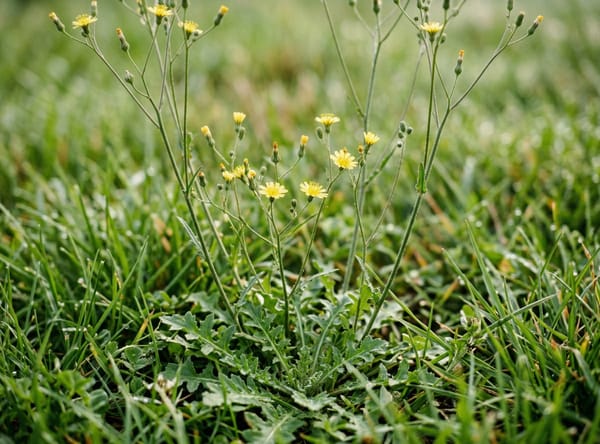
A low-growing annual or biennial broadleaf weed in the Asteraceae (daisy) family. Produces a basal rosette of lobed leaves with small yellow dandelion-like flowers on thin branching stems. Common in mulch beds, garden edges, cracks in pavement, and thin lawns. Prolific seed producer — one plant can spread rapidly.
Lawn Safe
Applications
1-2
Mix Rate
3 scoops/gal
Selective rate (3 provided scoops per gallon) should be used. Spray directly onto the rosette of leaves at the base — that's where the plant lives. The thin flower stems don't need heavy coverage, but the basal leaves do. One thorough application typically kills it.
Usually, one good drenching application kills what it touches. Annual — dies after flowering. Treat before seed heads form to prevent next year's crop.
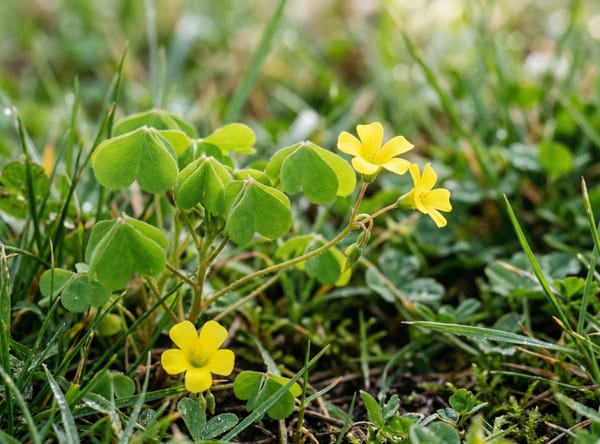
A persistent perennial with clover-like leaves that fold at night and small yellow flowers. Produces explosive seed capsules that scatter seeds up to 10 feet.
Lawn Safe
Applications
1-3
Mix Rate
3 scoops/gal
Selective rate (3 provided scoops per gallon) should be used. Apply generously to all foliage and stems until runoff. Oxalis forms low, spreading clusters — make sure to get full coverage on leaf undersides and stems, not just the top surface. Always test a small area of your lawn first before full application.
Usually, one good drenching application kills what it touches. Oxalis seeds can remain viable in soil for years — Regrowth 1-3 weeks later is new growth from the seed bank, not incomplete kill. Retreat new growth as it appears.
Oxalis produces explosive seed pods that scatter seeds widely. Treat before seed pods form when possible. Full coverage is the #1 success factor.
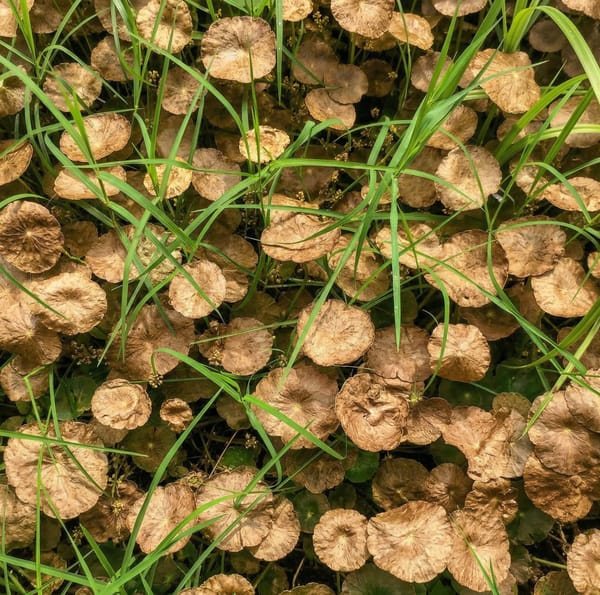
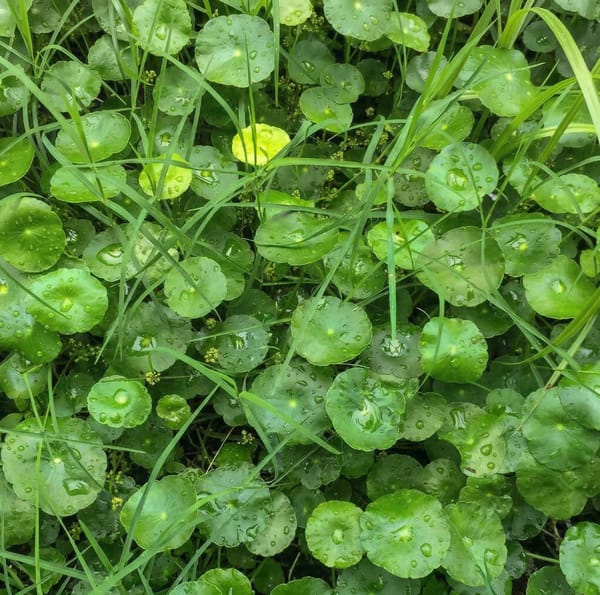
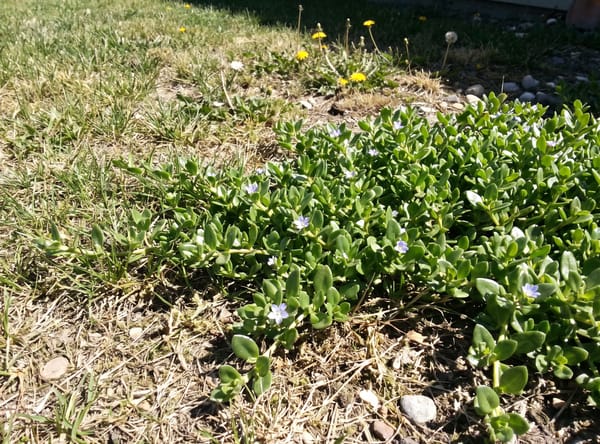
A creeping perennial with round, coin-shaped leaves and shallow roots. Thrives in moist, warm-climate lawns and can quickly dominate wet areas.
Lawn Safe
Applications
1-2
Mix Rate
3 scoops/gal
Selective rate (3 provided scoops per gallon) should be used. Apply generously to all round leaves, stems, and the soil area around the base until runoff. Pennywort spreads via runners — trace them and spray the full network. Always test a small area of your lawn first before full application.
Usually, one good drenching application kills what it touches. Spreads via underground runners and tubers — follow-up as new growth appears.
Pennywort/dollarweed thrives in wet, over-irrigated areas. Reducing irrigation frequency can help prevent its return. Full coverage including runners is critical.
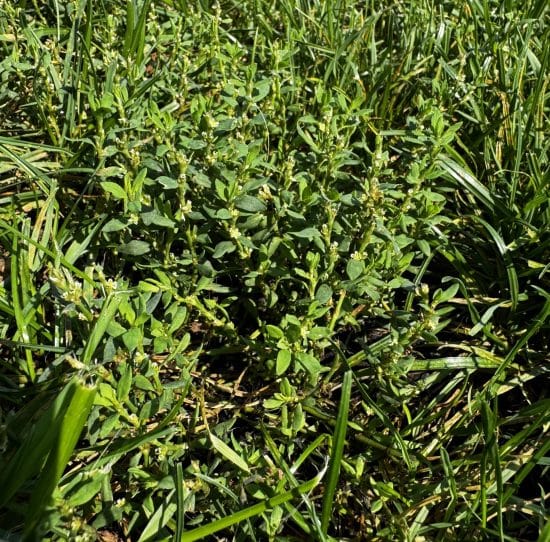
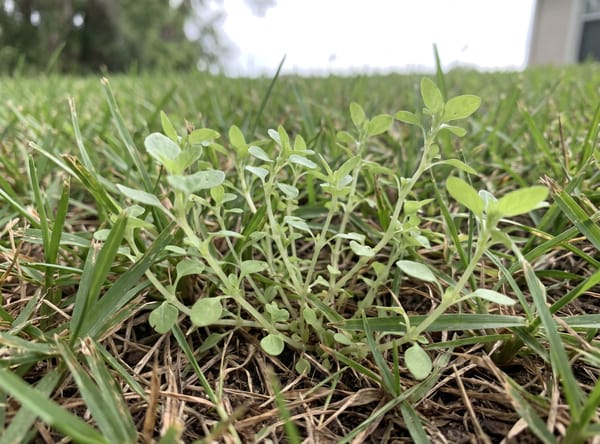
A wiry annual weed that forms flat mats along driveways, sidewalks, and compacted soil. One of the first weeds to appear in spring.
Lawn Safe
Applications
1-2
Mix Rate
3 scoops/gal
Selective rate (3 provided scoops per gallon) should be used. Prostrate knotweed grows flat against the ground in tough, wiry mats — get UNDER the canopy. Spray stems, leaf undersides, and the soil area around the base. Always test a small area of your lawn first before full application.
Usually, one good drenching application kills what it touches. Annual weed that thrives in compacted soil — aeration and overseeding help prevent return.
Prostrate knotweed thrives in compacted, high-traffic areas. Its tough, wiry stems require thorough coverage. Address soil compaction to reduce reinfestation.
A winter annual with square stems, heart-shaped purple-tinted leaves, and small pink-purple flowers. Often confused with henbit; appears in early spring.
Lawn Safe
Applications
1-2
Mix Rate
3 scoops/gal
Selective rate (3 provided scoops per gallon) should be used. Dead nettle forms upright clusters with square stems — spray all foliage (including the distinctive purple-tinted upper leaves), stems, and the soil area around the base until runoff. Always test a small area of your lawn first before full application.
Usually, one good drenching application kills what it touches. Winter annual — germinates in fall, flowers in early spring. Treat before it sets seed.
Dead nettle often grows in dense patches and is sometimes confused with henbit. Full coverage of stems and lower growth is critical — do not just spray the purple leaf tips.
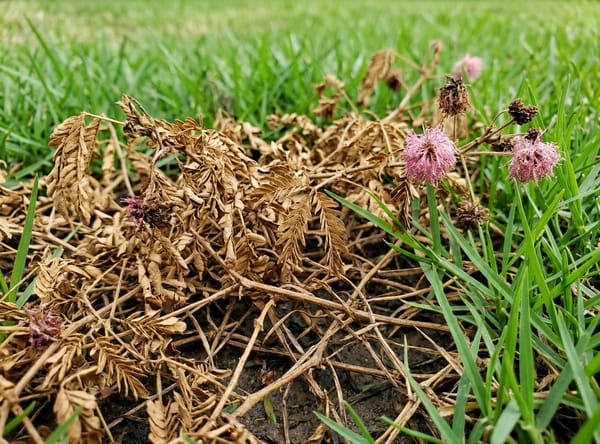
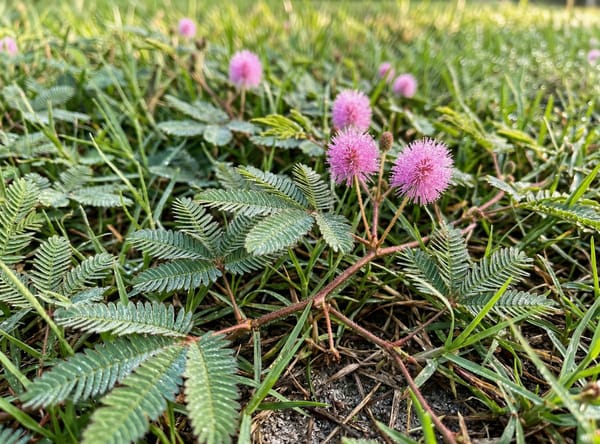
A low-growing perennial legume with fern-like compound leaves and pink puffball flowers. Native to the southeastern US, especially Florida. Spreads aggressively by stolons that root at every node. Leaves fold when touched.
Applications
2-3
Mix Rate
4 scoops/gal
Selective rate (3 provided scoops per gallon) should be used — sunshine mimosa is a broadleaf legume like clover and responds to the same approach. Get UNDER the canopy and drench thoroughly — stems, leaf undersides, and soil area around the base. The leaves fold when touched, so spray generously to ensure full contact before they close. This weed has runners that root at every node, so persistence is key. Always test a small area of your lawn first before full application.
Usually, one good drenching application kills what it touches. Stolons root at nodes and will regenerate — retreat new growth every 2-3 weeks until the runner network is exhausted.
Sunshine mimosa is tougher than regular clover because of its extensive stolon system. Each rooted node can regenerate the plant. One good drenching application kills the runners it touches; touch up new growth as rooted nodes push back - that is how the runner network gets worn down. Coverage is everything — the compound leaves fold shut on contact, so drench fast and heavy.
ThistleCirsium arvense
BeforeAfter
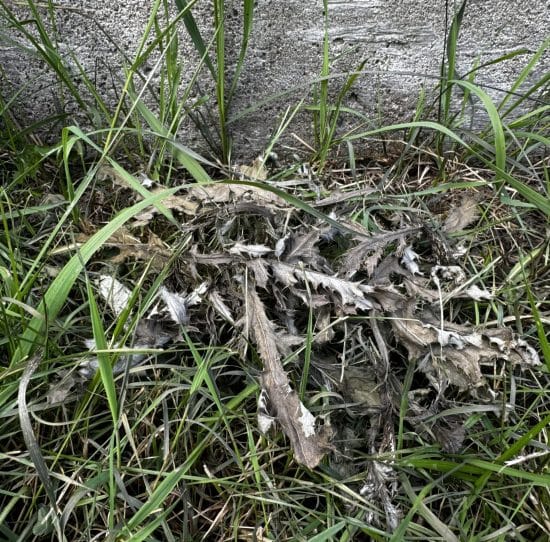
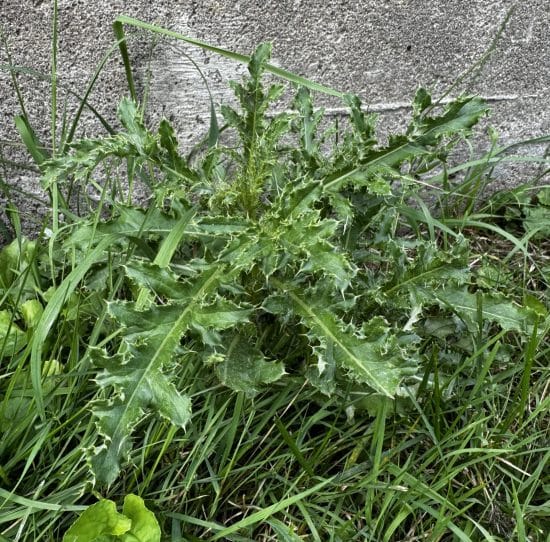
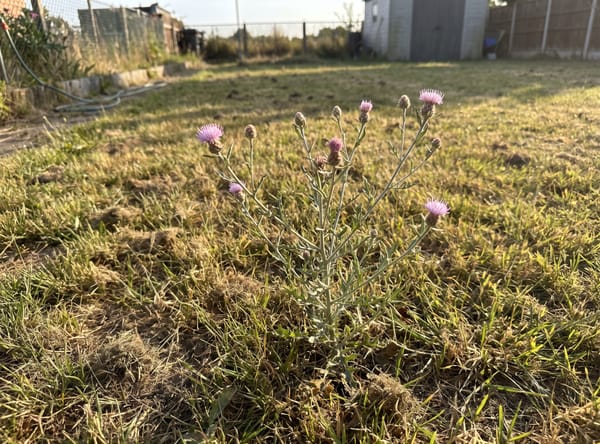
A spiny perennial with deep roots and aggressive spreading habits. Its sharp spines make it a hazard for bare feet and pets.
Precision Required
Applications
1-2
Mix Rate
4 scoops/gal
Non-selective rate (4 heaping provided scoops per gallon) should be used, applied precisely on thistle foliage, stems, and crown. Get full coverage on all leaf surfaces and drench the crown area. Do NOT blanket spray — precision application preserving surrounding grass is essential. Always test a small area of your lawn first before full application.
Usually, one good drenching application kills what it touches. Thistles can regrow from root fragments — retreat new shoots from root fragments as they appear.
Wear protective gloves and clothing due to sharp spines. Precision targeting is critical in lawns — blanket spray will stress surrounding grass.
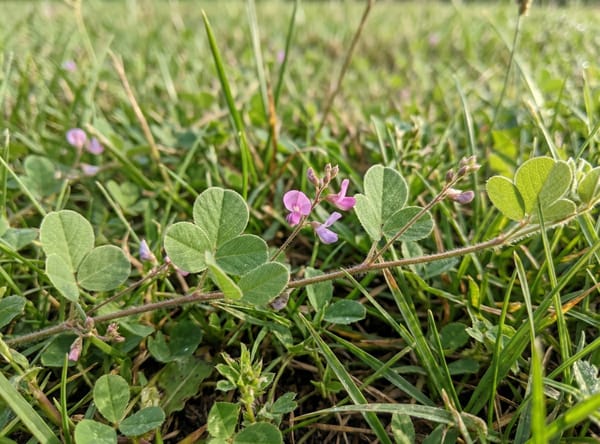
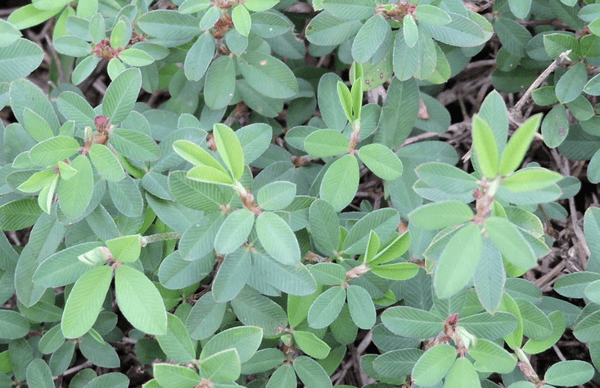
Low-growing legume weed closely related to clover. Prostrate to semi-erect stems that spread along the ground and survive frequent mowing. Common in southeastern US lawns, golf courses, and warm-climate turf. Small purple-pink flowers, simple leaves (not divided like clover). Perennial in warm areas, annual in drier climates.
Lawn Safe
Applications
1-3
Mix Rate
3 scoops/gal
Selective rate (3 provided scoops per gallon) should be used. White moneywort forms low, spreading mats similar to clover — get UNDER the canopy. Spray stems, undersides of leaves, and the soil area around the base. Surface-only spray misses the hidden growth that drives regrowth. Always test a small area of your lawn first before full application.
Usually, one good drenching application kills what it touches. Regrowth 1-3 weeks later is new growth from the seed bank, not incomplete kill — retreat new growth as it appears.
White moneywort is a legume like clover and responds similarly to Salacia. The key challenge is the same — getting under the mat for full stem and underside coverage. Surface-only spray will leave hidden growth that regenerates.
Wild StrawberriesFragaria virginiana
BeforeAfter
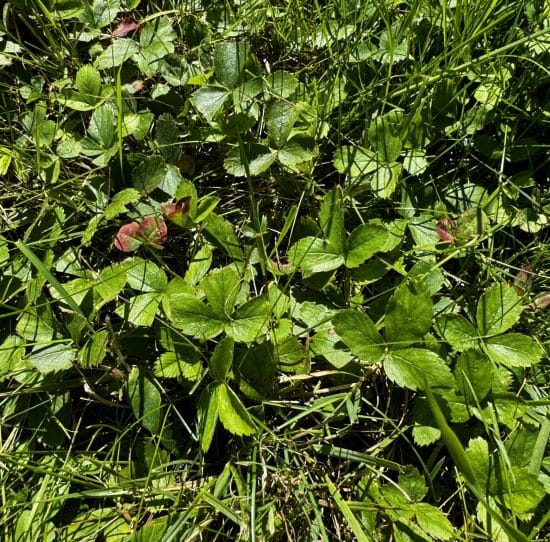
A spreading perennial with trifoliate leaves and small white flowers. Sends out runners that root at each node to colonize lawn areas.
Lawn Safe
Applications
1-2
Mix Rate
3 scoops/gal
Selective rate (3 provided scoops per gallon) should be used. Wild strawberry spreads via runners (stolons) — trace runners and spray the entire network including mother plants and daughter rosettes. Get under the leaf canopy to hit stems and crown. Always test a small area of your lawn first before full application.
Usually, one good drenching application kills what it touches. Runners can regenerate from fragments — follow up as new rosettes appear.
Wild strawberry spreads aggressively via runners. Every runner and daughter rosette needs treatment — missing even one allows the network to regenerate. Full coverage of the entire connected system is critical.
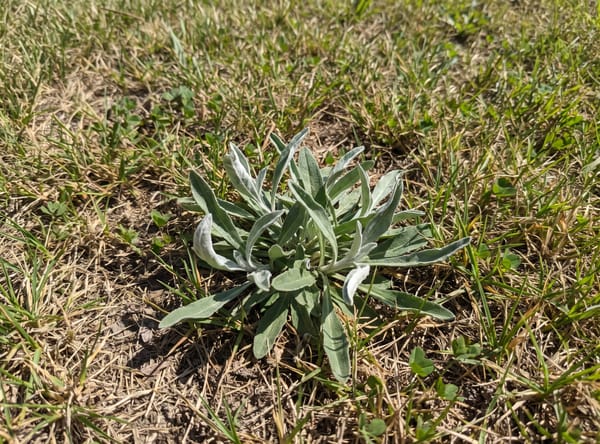
A low-growing winter annual with narrow leaves that are dull green on top and distinctively white-woolly underneath. Small clustered flower heads. Forms low rosettes and trailing stems up to 12 inches. Common in warm-season lawns across the southeastern US.
Lawn Safe
Applications
1-2
Mix Rate
3 scoops/gal
Selective rate (3 provided scoops per gallon) should be used. Spray directly onto the rosette and trailing stems until runoff. The woolly leaf undersides actually help trap and hold the spray solution. Always test a small area of your lawn first before full application.
Usually, one good drenching application kills what it touches. Winter annual — treat in spring before it flowers and sets seed.
None — no irritating sap or special hazards.
Black MedicMedicago lupulina
What It Looks Like
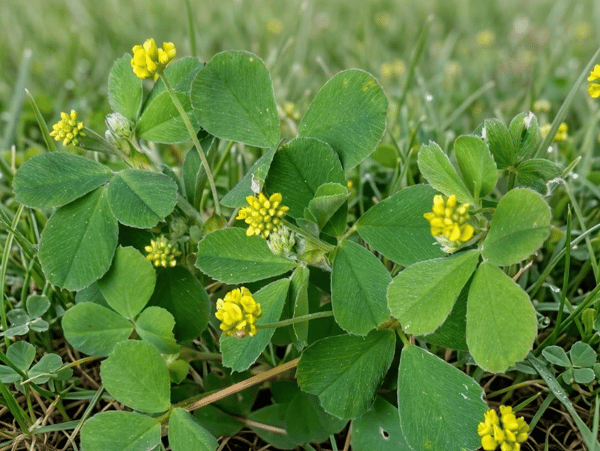
A low-growing annual with small clover-like leaves and tiny yellow flower clusters. Thrives in compacted, nutrient-poor soils and spreads through seeds.
Lawn Safe
Applications
1-2
Mix Rate
3 scoops/gal
Selective rate (3 provided scoops per gallon) should be used. Black medic forms low, spreading mats similar to clover — get UNDER the canopy. Spray stems, leaf undersides, and the soil area around the base. Always test a small area of your lawn first before full application.
Usually, one good drenching application kills what it touches. Annual weed — new plants emerge from seed throughout the growing season.
Black medic looks very similar to clover. It forms flat mats — getting under the canopy for full stem and underside coverage is the key challenge.
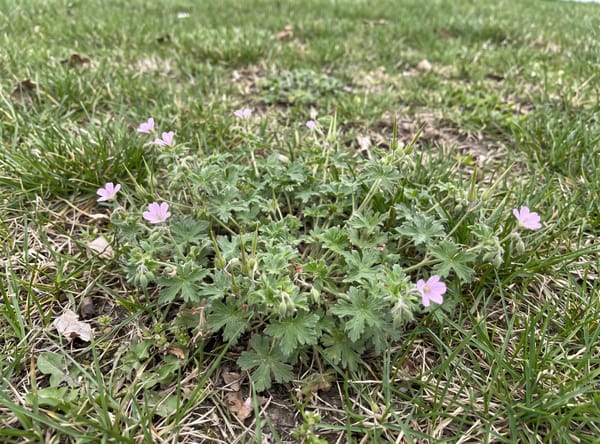
A low-growing winter annual with deeply lobed, hairy leaves and small white-to-pink flowers. Forms a basal rosette before sending up branching stems up to 12 inches. Common in thin turf, disturbed soil, and garden beds across the eastern US. Also covers the closely related dovefoot geranium (Geranium molle) which has softer, rounder leaves.
Lawn Safe
Applications
1-2
Mix Rate
3 scoops/gal
Selective rate (3 provided scoops per gallon) should be used. Spray directly onto the rosette and branching stems until runoff. The hairy leaves hold spray well — full coverage is straightforward. Always test a small area of your lawn first before full application.
Usually, one good drenching application kills what it touches. As a winter annual, it dies by summer — spring treatment prevents seed set for next year.
None — no irritating sap or special hazards. The hairy leaves retain spray solution well, making coverage easy.
A summer annual that forms flat, spreading mats with whorled leaves radiating from a central stem. Thrives in hot weather and thin turf.
Lawn Safe
Applications
1-2
Mix Rate
3 scoops/gal
Selective rate (3 provided scoops per gallon) should be used. Carpetweed forms flat, radiating mats from a central point — get UNDER the canopy. Spray stems, undersides, and the soil area around the central crown. Always test a small area of your lawn first before full application.
Usually, one good drenching application kills what it touches. Annual summer weed — best controlled when young before mats expand.
Carpetweed grows flat and radiates outward from a single point. Getting under the mat to hit stems and the central crown is critical for complete control.
ChamberbitterPhyllanthus urinaria
What It Looks Like
A summer annual that looks like a tiny mimosa tree seedling, with two neat rows of small oblong leaves along each branchlet. Flip a branchlet over - the row of tiny warty seed capsules underneath is the giveaway.
Lawn Safe
Applications
70-75
Mix Rate
3 scoops/gal
Selective rate (3 provided scoops per gallon) should be used. Chamberbitter branches heavily from the base into a small mound, so spray the whole plant - the arching branchlets, the rows of little leaves, and the soil area around the base - until runoff. Young seedlings take it best. Always test a small area of your lawn first before full application.
Usually, one good drenching application kills what it touches; new seedlings through the summer get spot touch-ups. It germinates once soil warms past about 70-75 degrees and keeps coming until frost, so new seedlings follow the first treatment.
Mowing does not stop it - it can still set seed cut down to two inches. Treat before the warty capsules line the undersides of the branchlets, because once they shatter the seed is already in the soil.
An annual scrambling vine with square stems and tiny hooked bristles that cling to everything. Narrow leaves grow in whorls of 6-8 around the stem. Weak stems can trail up to 6 feet, climbing over other plants. Small white flowers. Common in garden beds, hedgerows, moist shaded areas, and thin lawns.
Lawn Safe
Applications
1-2
Mix Rate
3 scoops/gal
Selective rate (3 provided scoops per gallon) should be used. Spray directly onto the trailing stems and leaf whorls until runoff. The narrow leaves mean you need thorough, close-range coverage. Always test a small area of your lawn first before full application.
Usually, one good drenching application kills what it touches. As an annual, it dies by summer. Treat in spring before it spreads and tangles through everything.
The hooked bristles cling to clothing and skin — wear long sleeves when pulling or working around cleavers.
Common LespedezaKummerowia striata
What It Looks Like
A low-growing summer annual with trifoliate leaves similar to clover but more elongated. Thrives in poor, dry soils when warm-season lawns are stressed.
Lawn Safe
Applications
1-2
Mix Rate
3 scoops/gal
Selective rate (3 provided scoops per gallon) should be used. Common lespedeza forms low, spreading patches — spray all foliage, stems, and the soil area around the base until runoff. Get full coverage on the trifoliate leaves (3-leaflet clusters). Always test a small area of your lawn first before full application.
Usually, one good drenching application kills what it touches. Annual weed — seeds can germinate throughout the growing season.
Common lespedeza thrives in thin, nutrient-poor turf. Improving lawn density through overseeding and proper fertilization helps prevent its return. Full coverage is the #1 success factor.
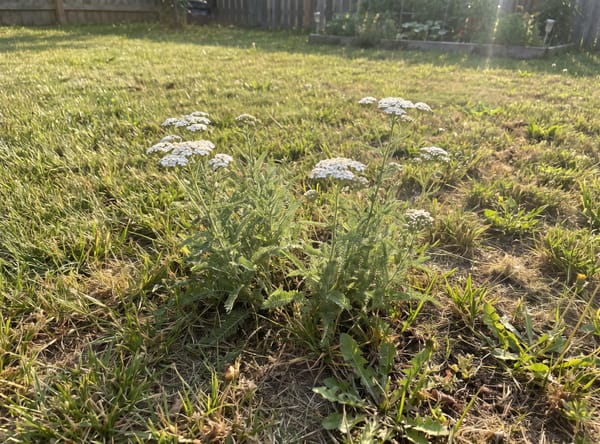
Common YarrowAchillea millefolium
What It Looks Like
A perennial with feathery, fern-like leaves and flat-topped clusters of white flowers. Spreads aggressively through rhizomes and tolerates very low mowing.
Lawn Safe
Applications
1-2
Mix Rate
3 scoops/gal
Selective rate (3 provided scoops per gallon) should be used. Yarrow forms spreading patches via rhizomes — spray all fern-like foliage, stems, and the soil area around the crown until runoff. Always test a small area of your lawn first before full application.
Usually, one good drenching application kills what it touches. Spreads via rhizomes — follow up as new growth appears from underground runners.
Yarrow spreads via underground rhizomes. Treating visible growth is essential, but watch for new shoots emerging nearby from the rhizome network.
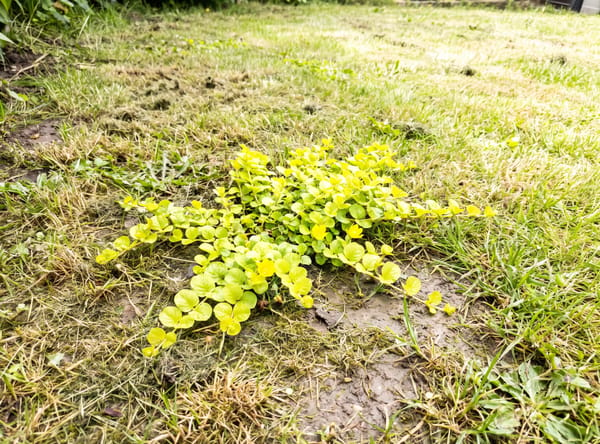
A vigorous creeping perennial with round, coin-shaped leaves and bright yellow flowers. Spreads rapidly by stolons in moist, shady lawn areas.
Lawn Safe
Applications
1-2
Mix Rate
3 scoops/gal
Selective rate (3 provided scoops per gallon) should be used. Creeping jenny forms dense, trailing mats — get UNDER the canopy. Lift mat edges and spray stems, undersides of leaves, and the soil area beneath. The hidden runners drive regrowth if you only treat the surface. Always test a small area of your lawn first before full application.
Usually, one good drenching application kills what it touches. Trailing stems can root at nodes — follow up as new growth appears from surviving fragments.
Creeping jenny roots at every node along its trailing stems. Getting under the mat to hit stems and soil contact points is critical — surface-only spray will not reach the growth engine underneath.
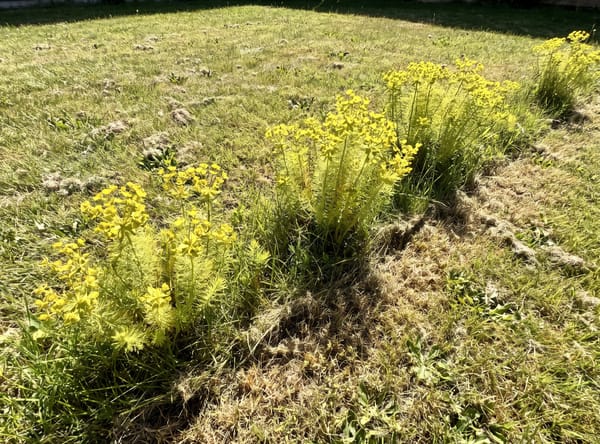
Cypress SpurgeEuphorbia cyparissias
What It Looks Like
Upright perennial weed, 6-12 inches tall, with fine needle-like leaves and yellow-green flower clusters. Spreads aggressively through underground rhizomes forming dense colonies. Common in garden beds, disturbed areas, roadsides, and old cemeteries. Milky sap can irritate skin.
Lawn Safe
Applications
2-3
Mix Rate
3 scoops/gal
Selective rate (3 provided scoops per gallon) should be used. Spray directly onto the upright stems and leaf clusters until runoff. Cypress spurge stands 6-12 inches tall, so full coverage of the foliage is straightforward — spray top-down. Focus on getting the yellow-green flower heads and needle-like leaves thoroughly wet. Always test a small area of your lawn first before full application.
Usually, one good drenching application kills what it touches. Usually, one good drenching application kills what it touches; regrowth from the root system gets a spot touch-up. Rhizome regrowth is common — monitor for 2-3 weeks after initial treatment and re-spray any new shoots.
Wear gloves — the milky sap can cause skin irritation and blistering. Avoid contact with eyes.
DallisgrassPaspalum dilatatum
What It Looks Like
A clump-forming warm-season perennial grass with coarse, wide blades and distinctive seed heads. Spreads via short rhizomes and seeds, forming unsightly patches in lawns.
Precision Required
Applications
1-2
Mix Rate
4 scoops/gal
NOT practical to spot-treat in a lawn - Salacia only kills dallisgrass at the non-selective rate (4 heaping provided scoops per gallon), which damages your lawn grass too. As a whole-area renovation: mow the clumps down first (spraying tall stems is useless), then drench at the non-selective rate and soak the soil around each clump until saturated. Dallisgrass has deep roots, so soil contact is critical. Touch up regrowth from the rhizomes, then reseed.
Usually, one good drenching application kills what it touches; rhizome regrowth gets spot touch-ups. Deep, clumping roots mean it pushes back - mow, drench, soak the soil, and retreat regrowth aggressively.
Dallisgrass forms dense clumps with deep roots. Mow it down first, then use heavy volume - do not just mist the top. Drench the crown and soak the soil around the base so the solution reaches the roots. Rhizome regrowth is normal - spot touch-ups complete the control.
A low, creeping summer weed with thick, shiny, fleshy leaves and small three-petalled purple flowers. It looks enough like St. Augustine or centipede grass to go unnoticed for weeks, and it loves ground that stays damp.
Precision Required
Applications
65-70
Mix Rate
4 scoops/gal
Non-selective rate (4 heaping provided scoops per gallon) applied as careful spot treatment ONLY - it will kill whatever it touches, including your grass, so treat small patches and expect to reseed or plug them. Doveweed mats low and roots at the joints, so wet the whole mat and the soil around it until runoff or it regrows from what you missed. Always test a small area of your lawn first before full application.
Usually, one good drenching application kills what it touches; new seedlings through the summer get spot touch-ups. It germinates later than most summer weeds - once soil passes about 65-70 degrees, mostly late April into May in the Deep South, and it keeps emerging into fall - so new plants follow the first treatment. It carries a seed bank for several years, so plan on 2 seasons of pressure coming down rather than one clean sweep.
Easy to mistake for your own lawn: its leaves look like St. Augustine or centipede blades. The tells are a thick, shiny, fleshy leaf, soft hairs on the upper edge of the leaf sheath, and - if it is flowering - three small purple petals, which no grass has. It is an annual, so the real win is preventing seed: dry surface, tall mowing, thick turf.
English DaisyBellis perennis
What It Looks Like
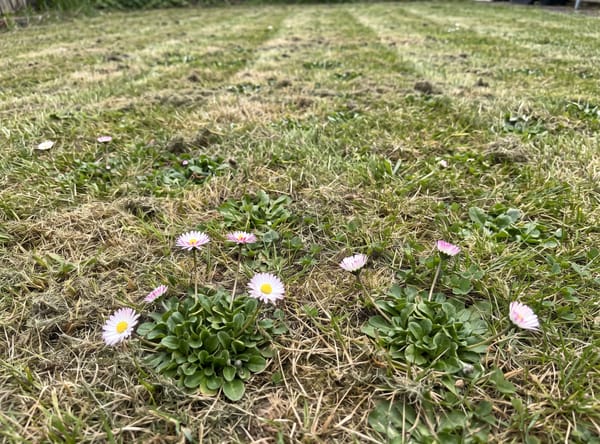
A low-growing perennial forming dense rosettes of spoon-shaped leaves with white-and-pink flowers. Spreads through seeds and short rhizomes in cool, moist lawns.
Lawn Safe
Applications
1-2
Mix Rate
3 scoops/gal
Selective rate (3 provided scoops per gallon) should be used. English daisy forms low rosettes — spray all foliage, the crown center, and the soil area around the base until runoff. Always test a small area of your lawn first before full application.
Usually, one good drenching application kills what it touches. Perennial — may regrow from crown if not thoroughly treated.
English daisy forms tight rosettes close to the ground. Getting full coverage on the crown center and leaf bases is essential for complete control.
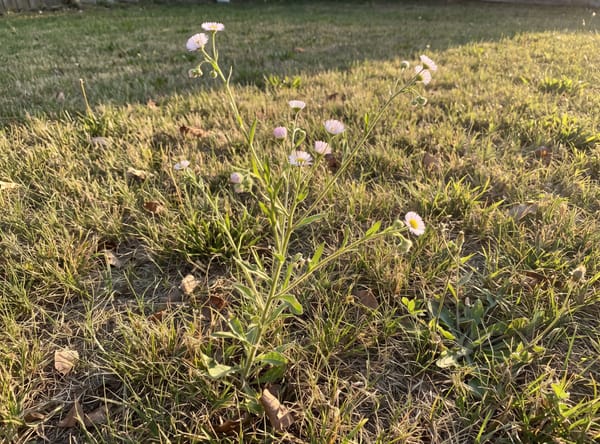
An annual weed resembling a small daisy with thin white-to-pink ray petals. Grows 1-3 feet tall and produces thousands of wind-dispersed seeds.
Lawn Safe
Applications
1-2
Mix Rate
3 scoops/gal
Selective rate (3 provided scoops per gallon) should be used. Fleabane grows upright with hairy stems — spray all foliage, stems, and the basal rosette/crown area until runoff. Always test a small area of your lawn first before full application.
Usually, one good drenching application kills what it touches. Produces large quantities of wind-dispersed seeds — treat before flowering for best long-term results.
Fleabane produces thousands of wind-dispersed seeds. Treating before it flowers significantly reduces future infestations. Full coverage on stems and basal growth is critical.
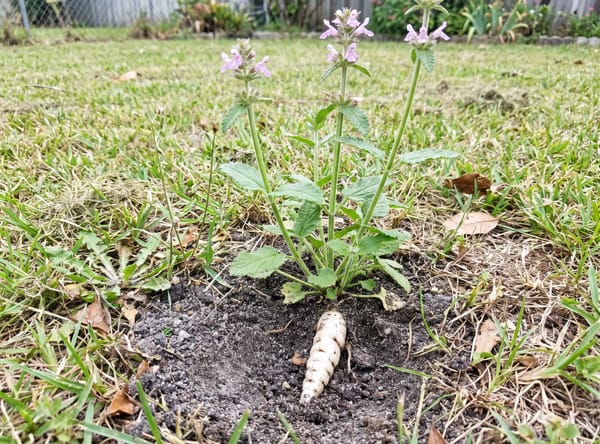
A cool-season perennial in the mint family - square hairy stems, toothed leaves in pairs, and white-to-pink trumpet flowers. Dig one up and the white segmented tuber looks exactly like a rattlesnake's rattle.
Lawn Safe
Applications
1-2
Mix Rate
3 scoops/gal
Selective rate (3 provided scoops per gallon) should be used. Florida betony stands taller than most lawn weeds on square, hairy stems - spray the whole plant, foliage and stems, down to the soil around the base, until runoff. Always test a small area of your lawn first before full application.
Usually, one good drenching application kills what it touches; tubers push new shoots through fall and spring, so spot touch-ups continue as they appear, and it can return the following year. The tuber network is what makes this a two-year project rather than a one-application weed.
This is a contact treatment and the tubers sit well below the surface - in sandy soil the underground system can run a metre or more. Judge progress by weaker, sparser regrowth each cycle. Summer applications hit a dormant plant and are wasted.
A delicate, low-growing herb with translucent stems and small pale-green leaves. Found in shady, moist areas — under shrubs, along walls, in garden beds, and shaded lawn edges. Native to the southeastern US. In the nettle family but does NOT sting.
Lawn Safe
Applications
2-3
Mix Rate
3 scoops/gal
Selective rate (3 provided scoops per gallon) should be used if found in lawn areas. Spray directly on the plant until runoff. The thin, delicate leaves absorb spray quickly. Always test a small area of your lawn first before full application.
Usually, one good drenching application kills what it touches. Follow-ups 2-3 weeks apart handle regrowth from the seed bank or deep roots, not incomplete kill.
None — despite being in the nettle family, Florida pellitory does not sting.
FoxtailSetaria
What It Looks Like
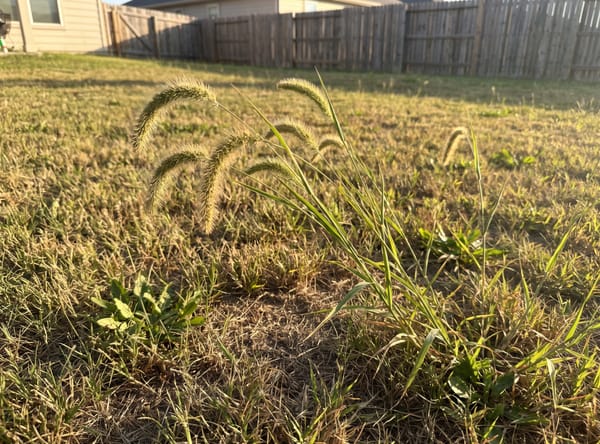
An annual grass weed identified by fuzzy, bottlebrush-like seed heads. Germinates in late spring and thrives in hot, dry conditions where turf is thin.
Not Controlled by Salacia
Applications
—
Mix Rate
—
Salacia cannot control foxtail. Hand-pull before seed heads mature, maintain thick healthy turf through proper mowing height, watering, and overseeding to outcompete it.
Not applicable — Salacia does not control foxtail. The work is hand-pulling before the seed heads mature, and building turf thick enough to crowd it out.
Foxtail seed heads can be dangerous to pets — they can embed in ears, eyes, nose, and paws. Remove seed heads before they mature.
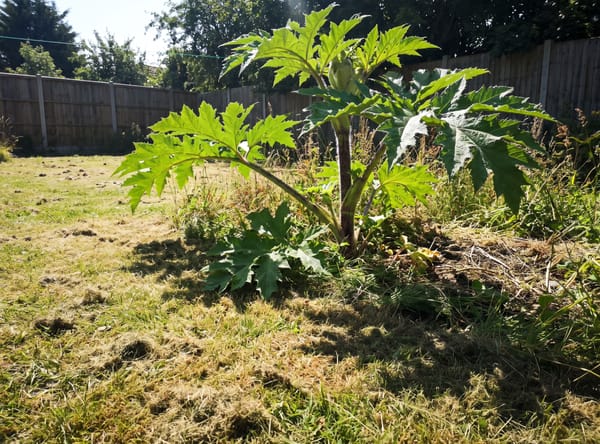
A hazardous invasive perennial growing 10-15 feet tall with enormous umbrella-shaped flower clusters. Its sap causes severe burns upon skin contact with sunlight.
Applications
1-2
Mix Rate
4 scoops/gal
Non-selective rate (4 heaping provided scoops per gallon) should be used. Apply very generously with full protective gear. Extreme caution required — see safety warning below.
3+ applications typical. Persistence is essential — monitor the area and retreat any regrowth.
CRITICAL SAFETY WARNING: Giant hogweed sap causes severe phytophotodermatitis — painful burns and permanent scarring when skin is exposed to sunlight after contact. Wear waterproof coveralls, chemical-resistant gloves, face shield, and rubber boots. Work on cloudy days if possible. Wash any contacted skin immediately with soap and water, keep out of sunlight for 48 hours. Consider professional removal for large infestations. Report sightings to local invasive species authorities.
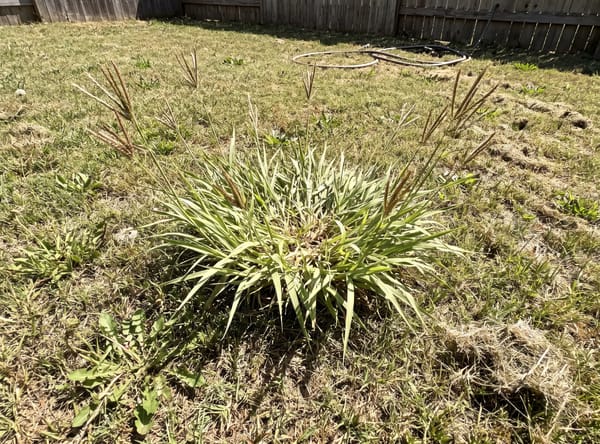
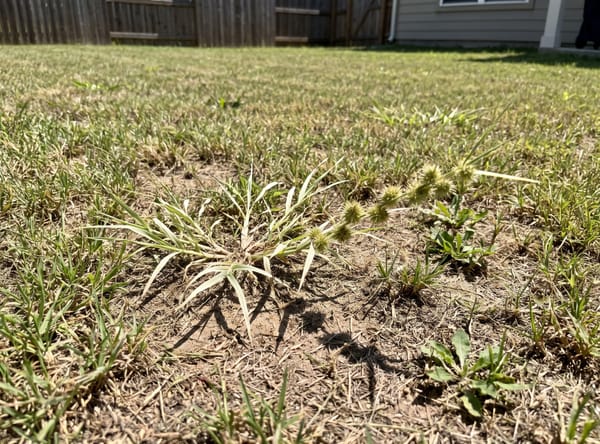
GoosegrassEleusine indica
What It Looks Like
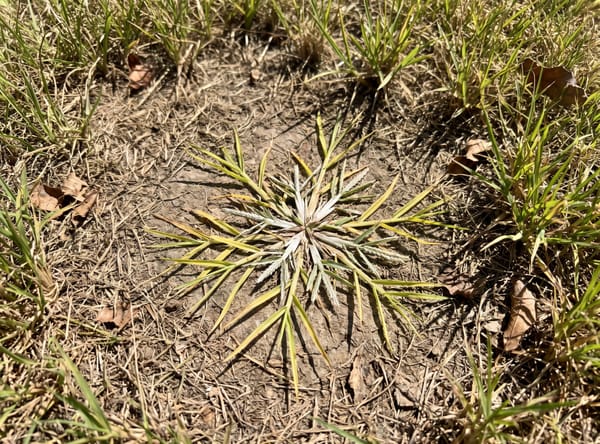
A summer annual grass forming a flat rosette that presses against the ground like a starfish. The centre is distinctly silver-white, and the seed heads look like a few flat zippers held up from a single point.
Precision Required
Applications
1-2
Mix Rate
4 scoops/gal
Non-selective rate (4 heaping provided scoops per gallon) as careful spot work on small patches only, accepting the lawn in that patch dies with it. Drench the whole rosette and the soil around its base until runoff - it grows flat, so a pass across the top of the lawn misses it. Always test a small area of your lawn first before full application.
Usually one thorough drenching finishes what it touches, since this is an annual with no rhizomes. New plants come from seed the following summer, so the year-to-year work is turf density and relieving compaction.
Treat it young. A mature goosegrass rosette is tough and sits so flat that getting spray underneath is the whole difficulty. Aerating compacted areas and reseeding them does more for next season than any spray does for this one.
Hairy BittercressCardamine hirsuta
What It Looks Like
A fast-growing winter annual with tiny white flowers and explosive seed pods that shoot seeds several feet. Appears in lawns and garden beds in late winter.
Lawn Safe
Applications
1-2
Mix Rate
3 scoops/gal
Selective rate (3 provided scoops per gallon) should be used. Bittercress forms low rosettes — spray all foliage, stems, and the soil area around the base until runoff. Get full coverage including the rosette center. Always test a small area of your lawn first before full application.
Usually, one good drenching application kills what it touches. Winter annual — germinates in fall, matures quickly in spring. Treat early before it sets seed.
Bittercress has explosive seed pods that scatter seeds several feet when disturbed. Treat before seed pods form — once pods mature, seeds spread rapidly.
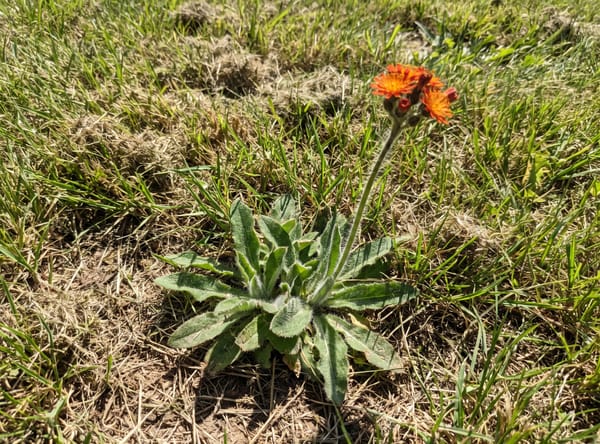
A perennial with fuzzy, tongue-shaped basal leaves and dandelion-like yellow or orange flowers on leafless stems. Spreads by stolons in thin, acidic lawns.
Lawn Safe
Applications
1-2
Mix Rate
3 scoops/gal
Selective rate (3 provided scoops per gallon) should be used. Hawkweed forms basal rosettes and spreads via stolons (runners) — spray all rosette leaves, stems, stolons, and the soil area around the crown until runoff. Always test a small area of your lawn first before full application.
Usually, one good drenching application kills what it touches. Spreads via stolons — trace runners and treat the full network.
Hawkweed spreads via above-ground stolons. Every runner and daughter rosette needs treatment — missing connected rosettes allows the network to regenerate.
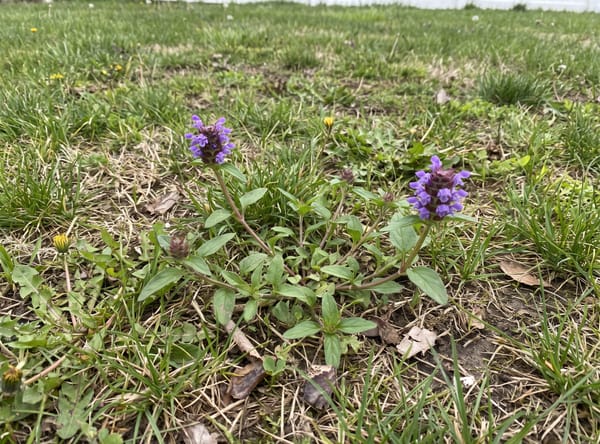
A low-growing perennial with square stems and dense purple flower spikes. Common in moist, shady lawn conditions and tolerates close mowing.
Lawn Safe
Applications
1-2
Mix Rate
3 scoops/gal
Selective rate (3 provided scoops per gallon) should be used. Heal-all forms low, creeping mats — get UNDER the canopy. Spray stems, leaf undersides, runners, and the soil area beneath. Always test a small area of your lawn first before full application.
Usually, one good drenching application kills what it touches. Spreads via creeping stems that root at nodes — follow up as new growth appears.
Heal-all roots at stem nodes, creating a spreading network. Getting under the mat to hit stems and rooting points is critical — surface-only spray will not reach the growth engine.
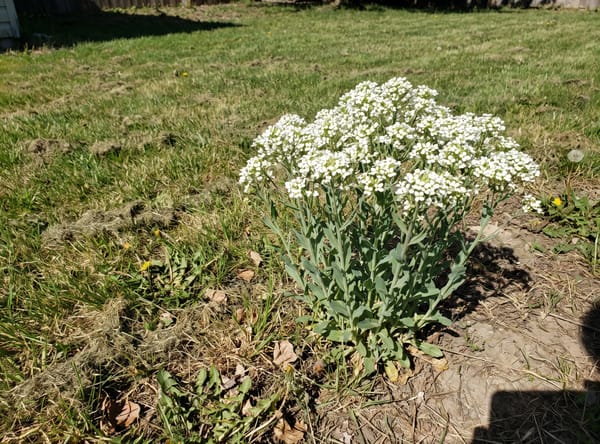
Hoary CressLepidium draba
What It Looks Like
Invasive perennial broadleaf with white flower clusters. Common in western states.
Heavy Duty
Applications
1-2
Mix Rate
4 scoops/gal
Non-selective rate (4 heaping provided scoops per gallon) should be used. very heavy volume. Will damage grass. Multiple apps.
Usually, one good drenching application kills what it touches. Deep roots persist.
Spreads through roots and seed. Prevent seed set.
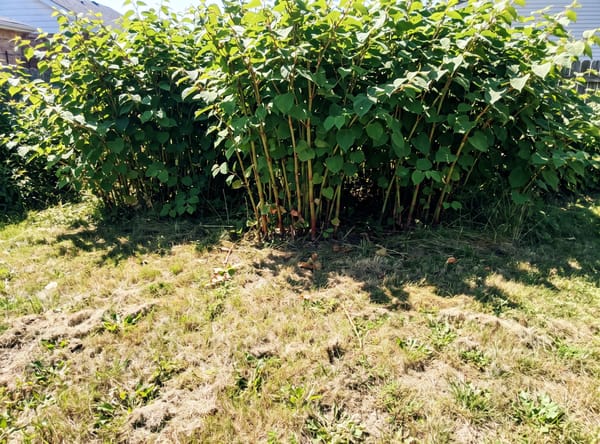
Japanese KnotweedFallopia japonica
What It Looks Like
An extremely aggressive invasive perennial that can grow through concrete. Produces dense bamboo-like stands up to 10 feet tall with heart-shaped leaves.
Applications
1-2
Mix Rate
4 scoops/gal
Non-selective rate (4 heaping provided scoops per gallon) should be used. Apply very generously with precision to avoid overspray on desirable plants. Drench all leaves, stems, and as much of the plant as possible.
3+ applications over multiple seasons typical. Japanese knotweed is one of the most persistent invasive plants — long-term commitment is required.
Do NOT dig out or cut without treatment first — root fragments regenerate into new plants. Dispose of all plant material carefully (bag and trash, never compost). May be regulated in some areas — check local invasive species laws.
Johnson GrassSorghum halepense
What It Looks Like
Tall aggressive perennial grass with underground rhizomes, 3-8 feet tall.
Precision Required
Applications
1-2
Mix Rate
4 scoops/gal
Will kill lawn grass at the non-selective rate (4 heaping provided scoops per gallon), so only treat dense patches as a whole-area renovation and reseed after. Mow it down first (spraying tall stems is useless), drench at the non-selective rate, and soak the soil around the base until saturated so it reaches the rhizomes. Touch up regrowth from the deep rhizomes as it shows.
Usually, one good drenching application kills what it touches; deep rhizomes can push regrowth that gets spot touch-ups. Deep rhizomes store energy - mow, drench, soak the soil and root zone, and repeat as it pushes back.
Johnson grass spreads from deep rhizomes - tilling only spreads them. Mow and treat before flowering, soak the soil so the solution reaches the rhizomes, and touch up rhizome regrowth as it shows.
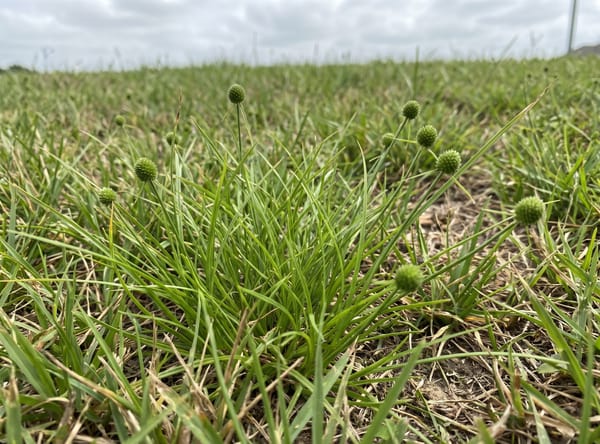
KyllingaKyllinga spp.
What It Looks Like
A low mat-forming sedge of wet ground with fine bright-green leaves and small round green seed heads on triangular stems. It forms dense circular patches that feel spongy underfoot.
Precision Required
Applications
1-2
Mix Rate
4 scoops/gal
Non-selective rate (4 heaping provided scoops per gallon) as careful spot treatment on small patches only, accepting the lawn in that patch dies too. Drench the mat and the soil around it until runoff, and expect regrowth from rhizomes the spray never reached. Always test a small area of your lawn first before full application.
Usually, one good drenching application kills what it touches; rhizome regrowth gets spot touch-ups. Top growth goes down quickly while the rhizome network does not, so re-treat as new shoots appear and judge progress by the patch shrinking each cycle.
Fix the water or nothing holds. Audit irrigation, shorten run times, correct low spots that stay soggy, and let the soil dry between waterings - kyllinga is telling you where the lawn stays wet. See nutsedge for the same conversation on its taller relative.
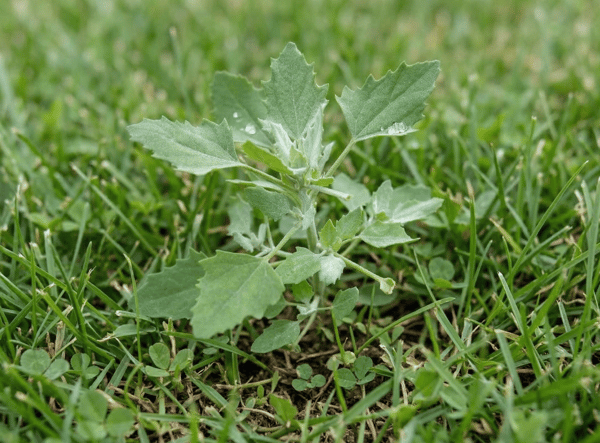
LambsquartersChenopodium album
What It Looks Like
A fast-growing summer annual with diamond-shaped leaves dusted in a whitish coating. Can reach several feet tall and produces tens of thousands of seeds.
Lawn Safe
Applications
1-2
Mix Rate
3 scoops/gal
Selective rate (3 provided scoops per gallon) should be used. Lambsquarters grows upright and can get tall quickly — spray all foliage (front and back of leaves), stems, and the crown/base area until runoff. The powdery coating on leaves can resist light misting — drench thoroughly. Always test a small area of your lawn first before full application.
Usually, one good drenching application kills what it touches. Annual weed — prolific seed producer. Treat before it sets seed.
Lambsquarters has a powdery/waxy coating on its leaves that can cause product to bead off. Thorough drenching (not light misting) is essential to overcome the leaf coating.
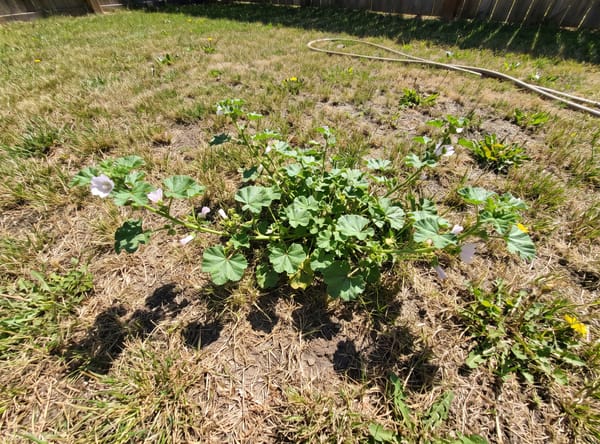
MallowMalva neglecta
What It Looks Like
A spreading annual or biennial with rounded, scalloped leaves and small white-to-pink flowers. Its deep taproot and low growth help it survive close mowing.
Lawn Safe
Applications
1-2
Mix Rate
3 scoops/gal
Selective rate (3 provided scoops per gallon) should be used. Mallow develops a deep taproot — thorough coverage of all foliage, stems, and the crown/soil area is essential. Drench until runoff. Always test a small area of your lawn first before full application.
Usually, one good drenching application kills what it touches. Deep taproot may require follow-up treatment if regrowth occurs.
Mallow has a tough, deep taproot that can drive regrowth. Thorough coverage of the crown and base area — not just leaves — is the key to preventing comeback.
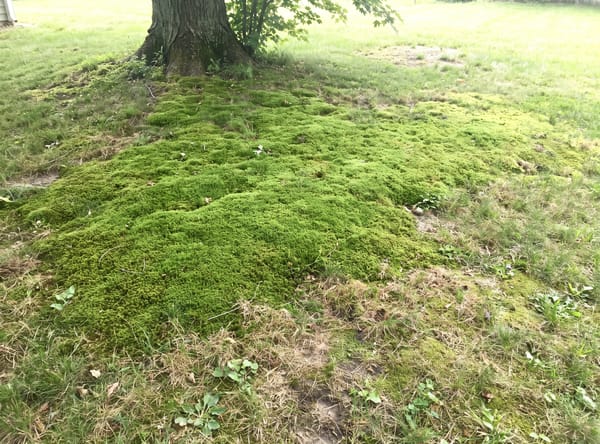
MossBryophyta (various)
What It Looks Like
Low-growing dense green plant in shady, moist, acidic conditions. Symptom of poor grass growing conditions.
Precision Required
Applications
1-2
Mix Rate
4 scoops/gal
Non-selective rate (4 heaping provided scoops per gallon) should be used. targeted directly on moss patches. Will damage surrounding grass. Then fix root cause: aerate, lime, improve drainage, overseed shade-tolerant grass.
Usually, one good drenching application kills what it touches. 1-2 apps for moss. But moss WILL return unless you fix: compaction, pH, drainage, shade.
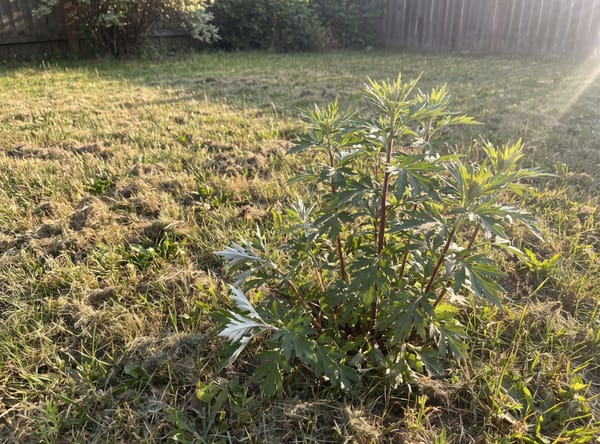
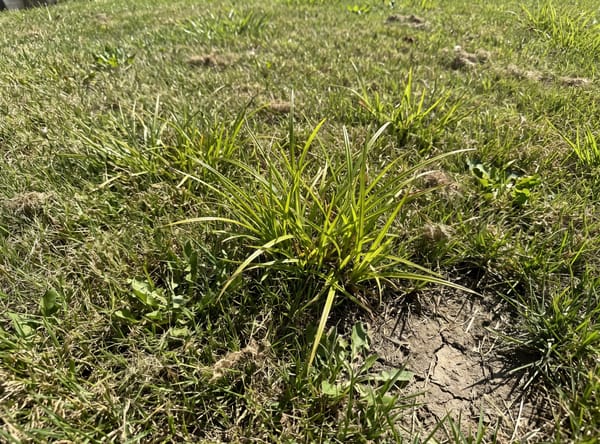
An aggressive perennial with deeply lobed, silvery-green aromatic leaves. Spreads through extensive rhizome networks, making complete removal extremely challenging.
Lawn Safe
Applications
1-2
Mix Rate
3 scoops/gal
Selective rate (3 provided scoops per gallon) should be used. Mugwort is a tall, aggressive perennial — spray all foliage (including silvery undersides), stems, and the crown/base area until runoff. Its rhizome network can be extensive. Always test a small area of your lawn first before full application.
Usually, one good drenching application kills what it touches. Aggressive rhizome network means persistence is required — treat new shoots as they emerge.
Mugwort spreads via an aggressive underground rhizome system. Treating visible growth is essential, but expect new shoots to emerge from the rhizome network. Rhizome regrowth is normal for this plant - spot touch-ups as new shoots appear.
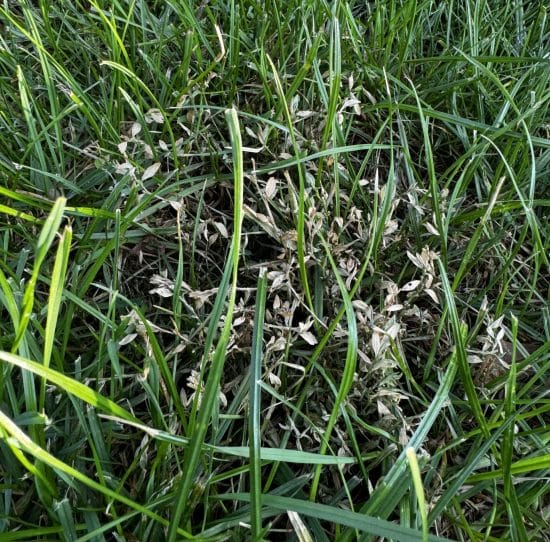
NimblewillMuhlenbergia schreberi
What It Looks Like
A warm-season perennial grass that creeps by above-ground runners and forms soft blue-green patches with very fine, short blades. It browns to straw well before the rest of the lawn in autumn, leaving pale dead-looking circles.
Precision Required
Applications
1-2
Mix Rate
4 scoops/gal
Non-selective rate (4 heaping provided scoops per gallon) as spot treatment on a defined patch, accepting the lawn inside that patch dies too and will need reseeding or plugging. Wet the whole mat and the soil around it until runoff, since surface runners root at every node. Always test a small area of your lawn first before full application.
Rhizomes resprout from below: frame it as suppression or renovation, never as a count of passes. Runners the spray missed will push new growth, so re-treat as it appears and judge progress by patches shrinking rather than by one clean application.
Treat while it is actively growing in summer - a dormant straw-coloured patch in late autumn has nothing to absorb a contact treatment. Reseed treated patches promptly, because bare ground is exactly what let it in.
NutsedgeCyperus esculentus
What It Looks Like
A grass-like perennial sedge with triangular stems and glossy, bright green blades. Grows faster than turf and spreads through underground tubers called nutlets.
Precision Required
Applications
2-3
Mix Rate
4 scoops/gal
Salacia CANNOT selectively control nutsedge in a lawn without killing surrounding grass. For a standalone patch, use the non-selective rate (4 heaping provided scoops per gallon) with very heavy volume: mow it down first, then drench and soak the soil around the base until saturated so the solution reaches the underground tubers. Expect surrounding grass to die, and reseed after. Touch up new shoots from the tubers as they appear.
Usually, one good drenching application kills what it touches; tubers can push new shoots that get spot touch-ups. Retreat new shoots from the underground tubers every 2-3 weeks as they appear, and soak the soil each time so the solution reaches the tubers.
Nutsedge spreads from underground tubers - pulling without removing the tubers only multiplies it. Mow and drench, then soak the soil around the base so the solution reaches the tubers; expect tuber shoots to need spot touch-ups.
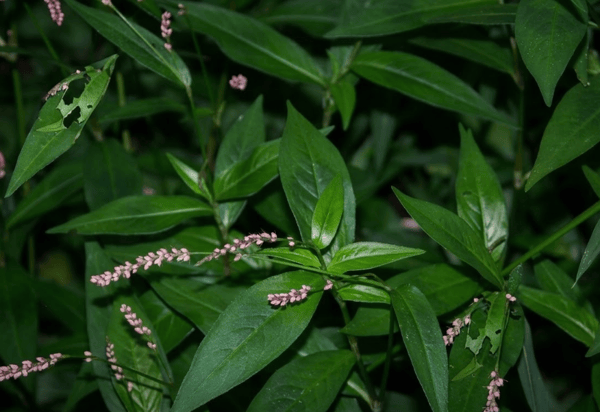
An annual broadleaf weed with lance-shaped leaves, jointed stems, and pink flower spikes. Thrives in moist, disturbed soils and can form dense colonies.
Heavy Duty
Applications
1-2
Mix Rate
4 scoops/gal
Usually, one good drenching application kills what it touches. Annual weed — treat before it sets seed for best long-term results.
Pennsylvania smartweed often grows in dense stands near moist areas. Ensure full stem and leaf coverage — the jointed stems can shield lower growth from spray contact.
PigweedAmaranthus retroflexus
What It Looks Like
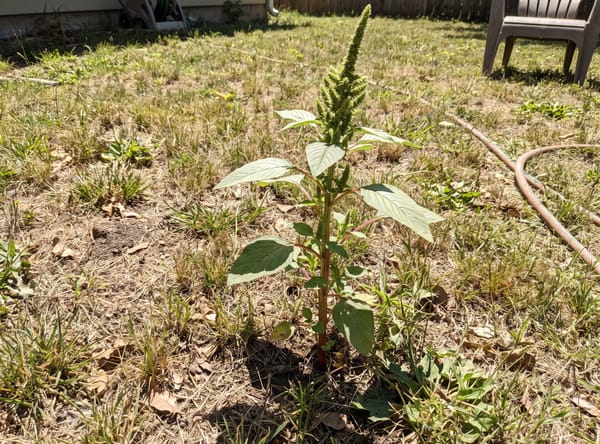
A tall, fast-growing summer annual reaching several feet in height. Produces enormous quantities of tiny seeds and thrives in disturbed, nutrient-rich soil.
Lawn Safe
Applications
1-2
Mix Rate
3 scoops/gal
Selective rate (3 provided scoops per gallon) should be used. Pigweed grows upright and can get very tall — spray all foliage, stems, and the crown/base area until runoff. Treat when young and small for best results. Always test a small area of your lawn first before full application.
Usually, one good drenching application kills what it touches. Annual weed — massive seed producer (can produce 100,000+ seeds per plant). Treat before it sets seed.
Pigweed is one of the most prolific seed producers in nature. Treating before flowering is critical to prevent seed dispersal. Best controlled when small — large, mature plants are much harder to eliminate.
Poa AnnuaPoa annua
What It Looks Like
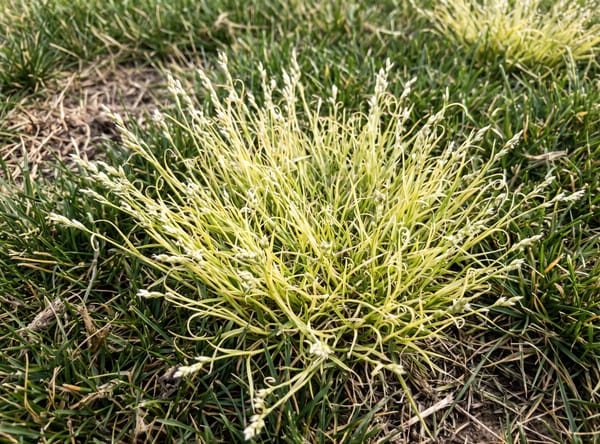
Low-growing annual grass weed, light green, boat-shaped leaf tips, white seed heads at mowing height.
Precision Required
Applications
1-2
Mix Rate
4 scoops/gal
The non-selective rate (4 heaping provided scoops per gallon) will damage surrounding grass, so only treat dense patches as a whole-area renovation and reseed. Mow low first, drench at the non-selective rate, and soak the soil so it reaches the roots. Touch up new plants as they emerge from the seed bank.
Usually, one good drenching application kills what it touches; seed-bank germination gets spot touch-ups. Mow, drench, soak the soil, and re-treat new plants from the seed bank. A thick lawn is the best long-term prevention.
Poa annua produces seed heads even when mowed short, so treat before it seeds and thicken the lawn through fertilization, aeration, and overseeding. Mow first and soak the soil so the solution reaches the roots.
A succulent summer annual with thick, fleshy leaves and small yellow flowers. Extremely drought-tolerant and can re-root from stem fragments left on moist soil.
Lawn Safe
Applications
1-2
Mix Rate
3 scoops/gal
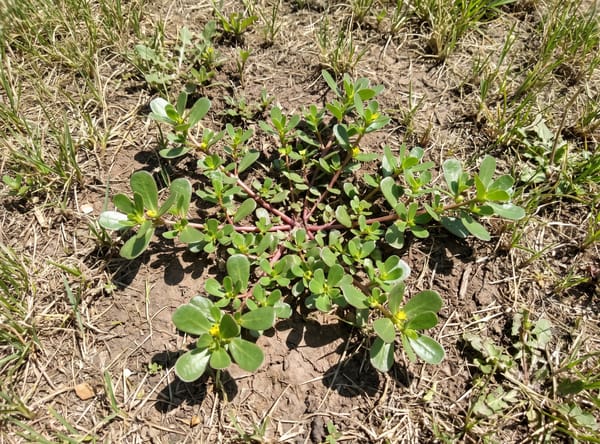
Selective rate (3 provided scoops per gallon) should be used. Purslane forms flat, succulent mats — the fleshy leaves and stems hold moisture, so thorough drenching is important. Get UNDER the canopy and spray stems, leaf undersides, and the soil area around the base. Always test a small area of your lawn first before full application.
Usually, one good drenching application kills what it touches. Purslane fragments can re-root — remove treated debris if possible.
Purslane stem fragments can re-root into new plants. After treatment, remove dead plant material rather than leaving it on the ground. Its succulent nature means it holds moisture — thorough drenching is essential.
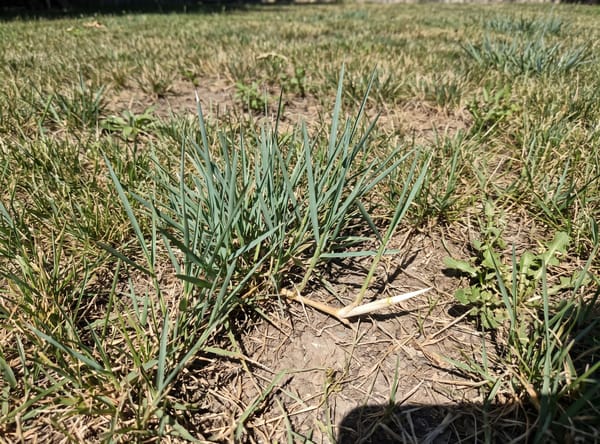
QuackgrassElymus repens
What It Looks Like
A cool-season perennial grass that spreads by aggressive white underground runners. Coarse blue-green blades stand above finer turf, and the giveaway is a pair of small claw-like projections that clasp the stem where each leaf joins it.
Precision Required
Applications
1-2
Mix Rate
4 scoops/gal
Non-selective rate (4 heaping provided scoops per gallon) as spot treatment on a small patch only - it kills the lawn it touches too, so expect to reseed or plug that spot. Drench all foliage until runoff, and expect regrowth from rhizomes the spray never reached. On a lawn that is broadly taken over, this is a renovation decision rather than a spray decision. Always test a small area of your lawn first before full application.
Repeat as new shoots appear, for as long as they appear. Top growth dies back long before the rhizomes are spent, so judge progress by regrowth coming back thinner and slower each cycle.
Quackgrass is a cool-season plant: it does its growing in spring and autumn and idles in summer heat, so treat it when it is actively growing. Never confuse it with crabgrass - crabgrass is a summer annual that dies at frost and has no rhizomes, so the two need completely different calendars and expectations.
Red SorrelRumex acetosella
What It Looks Like
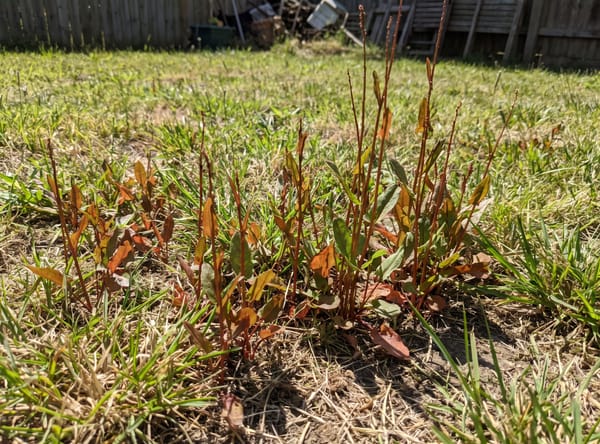
A perennial with arrow-shaped leaves and reddish flower spikes. Thrives in acidic, nutrient-poor soils and indicates conditions that need correction.
Lawn Safe
Applications
1-2
Mix Rate
3 scoops/gal
Selective rate (3 provided scoops per gallon) should be used. Red sorrel forms basal rosettes with arrow-shaped leaves — spray all foliage, stems, and the crown/soil area until runoff. Always test a small area of your lawn first before full application.
Usually, one good drenching application kills what it touches. Perennial — may regrow from rhizomes. Follow up as needed.
Red sorrel thrives in acidic soils. Treating the weed addresses the symptom — a soil pH test and lime application can help address the underlying cause and prevent return.
Russian KnapweedRhaponticum repens
What It Looks Like
Extremely invasive perennial with 20+ foot deep roots and allelopathic properties.
Heavy Duty
Applications
1-2
Mix Rate
4 scoops/gal
Non-selective rate (4 heaping provided scoops per gallon) should be used. very heavy volume. Multi-season battle.
Usually, one good drenching application kills what it touches. Multiple apps per season, multiple seasons.
Allelopathic toxins inhibit other plants. Soil may need amendment. Noxious weed.
SandburCenchrus spp.
What It Looks Like
A summer annual grass of sandy, thin ground that produces hard spiny burs at the top of the stems. The burs cling to shoes, socks, and pets, and they hurt for months after the plant itself has died.
Precision Required
Applications
1-2
Mix Rate
4 scoops/gal
Non-selective rate (4 heaping provided scoops per gallon) as careful spot work on small patches only - it takes the lawn with it, so expect to reseed or plug the spot. Treat while plants are young and before the burs harden; once burs have formed, killing the plant no longer removes them. Always test a small area of your lawn first before full application.
Usually one thorough drenching finishes what it touches, since this is an annual. The work that matters is year to year: stop seed this season, thicken the turf, and there is far less to treat next season.
Wear gloves and closed shoes when working in an infested area - the burs are genuinely painful and stick to clothing and pets. Bag what you pull rather than leaving it on the lawn, and clean burs off shoes and mower wheels so you are not planting next year's patch as you walk.
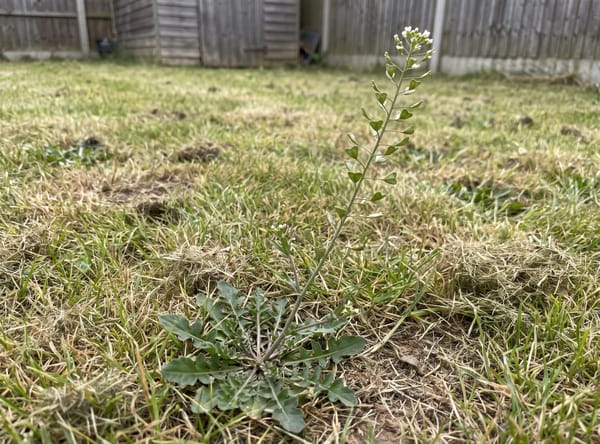
Shepherd's PurseCapsella bursa-pastoris
What It Looks Like
A winter annual recognized by distinctive heart-shaped seed pods along the stem. Produces multiple generations per year and thrives in cool, disturbed soil.
Lawn Safe
Applications
1-2
Mix Rate
3 scoops/gal
Selective rate (3 provided scoops per gallon) should be used. Shepherd's purse forms a basal rosette with upright flower stalks — spray the rosette, stems, and soil area around the base until runoff. Always test a small area of your lawn first before full application.
Usually, one good drenching application kills what it touches. Annual/biennial — treat before it sets seed for best long-term results.
Shepherd's purse produces distinctive heart-shaped seed pods that release seeds quickly. Treat before seed pods mature to prevent rapid spreading.
TorpedograssPanicum repens
What It Looks Like
An aggressive creeping grass that spreads by underground runners tipped like torpedoes. It reads as a stiff, blue-grey patch standing above the lawn, and it outcompetes even bermudagrass.
Precision Required
Applications
1-2
Mix Rate
4 scoops/gal
Non-selective rate (4 heaping provided scoops per gallon), spot treatment on a NEW or small patch only, accepting that the grass in that patch dies too and will need re-sodding or plugging. On an established stand in a lawn there is no honest in-lawn treatment - that is a renovation, not a spray. Always test a small area of your lawn first before full application.
Repeat as new shoots appear, for as long as they appear. Top growth dies back long before the rhizomes are exhausted, so judge progress by shoots coming back thinner and slower, never by one clean-looking application.
Identify it by digging, not by looking: the giveaway is a stiff, whitish underground runner with a sharp, pointed tip like a torpedo - that is where the name comes from and it will punch through landscape fabric. Above ground it reads as a blue-grey, waxy patch standing stiffly at about 45 degrees out of the lawn. Unlike most weeds its seed is largely sterile, so nothing about preventing seed helps here - it travels by rhizome, in floodwater, and in contaminated sod and nursery plants.
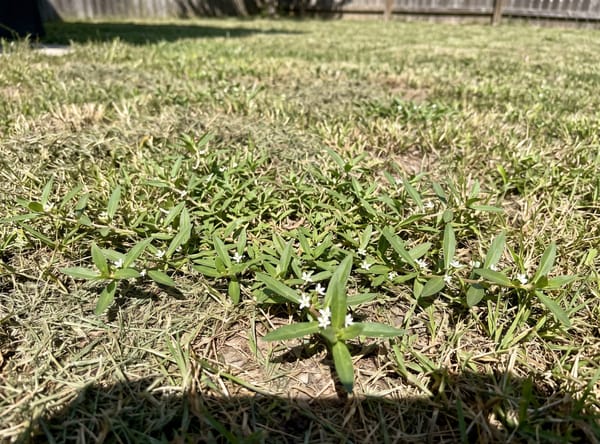
Virginia ButtonweedDiodia virginiana
What It Looks Like
A spreading perennial that mats flat across southern lawns, with paired stalkless leaves and small white four-pointed star flowers tucked where the leaves meet the stem. It favours ground that stays wet.
Lawn Safe
Applications
1-2
Mix Rate
3 scoops/gal
Selective rate (3 provided scoops per gallon) should be used. Virginia buttonweed grows flat and survives at very low mowing heights, so part the mat and drench it - stems, the joints where leaves meet the stem, and the soil around the crown - until runoff. Always test a small area of your lawn first before full application.
Usually, one good drenching application kills what it touches; it regrows from roots and seed through the season, so spot touch-ups continue as it shows, and it can return the following year. This weed is documented as a two-year control project because of its fleshy root system.
This is a contact treatment: it takes down the growth it touches, but fleshy roots and rhizomes below the surface can push new shoots. Judge progress by how much less returns each cycle rather than by any single application. Wet, poorly drained ground is the underlying cause - treating without fixing drainage is a treadmill.
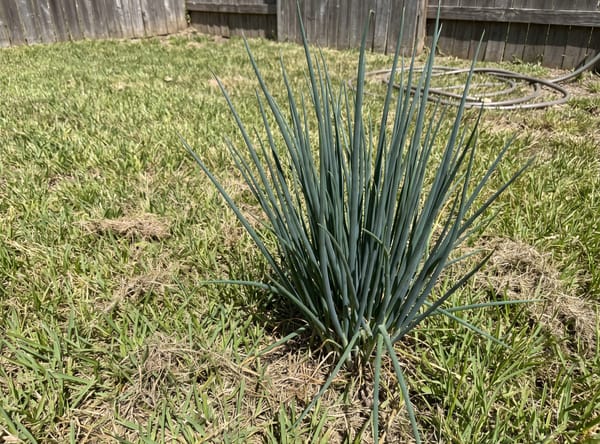
Wild OnionAllium vineale
What It Looks Like
A perennial bulb weed with narrow, grass-like leaves that smell of onion when crushed. Grows in clumps and is difficult to control due to underground bulblets.
Lawn Safe
Applications
1-2
Mix Rate
3 scoops/gal
Selective rate (3 provided scoops per gallon) should be used. Wild onion grows from underground bulbs with narrow, upright leaves — spray all foliage thoroughly and drench the soil area around the base/bulb zone until runoff. The narrow leaves can be hard to coat — slow down and ensure full coverage. Always test a small area of your lawn first before full application.
Usually, one good drenching application kills what it touches. Underground bulbs and bulblets store energy for regrowth — persistence is required.
Wild onion reproduces via underground bulbs and bulblets that survive surface treatment. Thorough coverage of both foliage and the soil/bulb zone is essential; shoots that re-emerge from bulbs get a spot touch-up. Narrow, waxy leaves require thorough drenching.
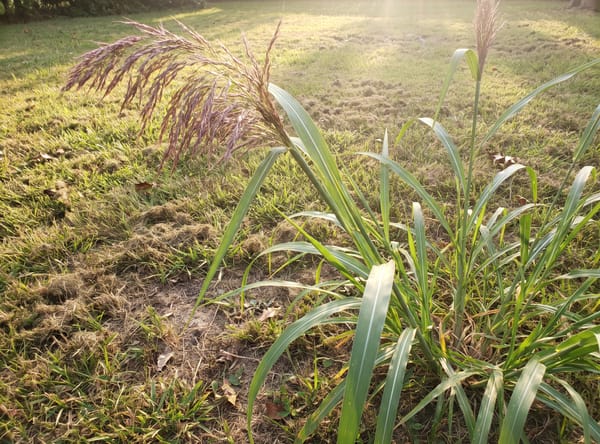
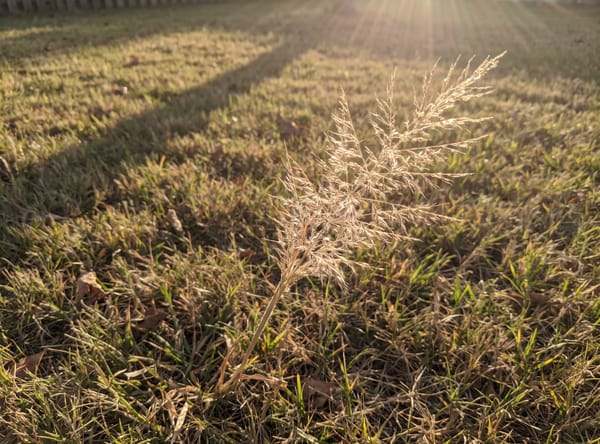
WitchgrassPanicum capillare
What It Looks Like
A summer annual grass covered in soft hairs on the leaves and sheaths, topped by a very large airy seed head that takes up more room than the plant. The seed head dries, snaps off, and tumbles across open ground scattering seed as it goes.
Precision Required
Applications
1-2
Mix Rate
4 scoops/gal
Non-selective rate (4 heaping provided scoops per gallon) as spot treatment on small patches only, accepting the lawn in that patch dies with it. Drench all foliage until runoff, and treat before the seed head dries and breaks away. Always test a small area of your lawn first before full application.
Usually one thorough drenching finishes what it touches, since this is an annual. The real work is stopping the seed head before it dries and tumbles.
Cut or bag mature seed heads rather than mowing them across open ground, or the mower does the scattering for it. In lawns witchgrass is mostly a symptom of thin, disturbed turf, so reseeding bare areas does more than repeat spraying.
No weeds match your search. Try a different name or spelling.
Trusted by thousands of customers
Now You Know What It Is. Here’s What Takes It Down.
Salacia is the first OMRI-certified selective organic weed killer — at the selective rate it targets broadleaf weeds while being designed to spare grass. Temporary paling or yellowing of nearby turf is possible and recovers; always test a small area first. Pet Friendly. Naturally derived. One 25 lb bag covers up to 10,000 sq ft.
Ask anything about weed control and general lawn care.
Powered by Lanaturo
Analyzing photo...
Sal is typing...
Connecting...0:00
Sal is AI. By using it, you agree to our Terms
& Privacy Policy.
Don't share sensitive info. Chats and photos may be reviewed and used to improve Sal.
Loading location...
Application Score
This score helps you dial in timing when you're ready to spray.
Calculating conditions
—
Conditions
--°F
Temperature
-- mph
Wind Speed
--%
Rain Chance
Application Tips
Mow your lawn before applying Salacia for better coverage
Avoid watering for 24 hours after application
Apply until leaves are wet to the point of runoff
Your area
Reading your sky…
What are we working on?
Show Sal a photo of the patch, or just describe it.
Keep your yard with Sal
Sign in and come back anytime: Sal builds your plan with you and remembers it, with your yard, your season and your orders, on any device. Just jump in and ask.
Your yardGrass, size, pets and the weeds you’ve named
Your seasonThe weeds you’ve cleared and your check-ins
Your ordersWhere it is, and what to have ready
How to
Start here, then open a step.
1:04
WATCH THIS FIRSTMeet Salacia & Sal
One minute: the product, your partner, and the training below.
The 3 steps0 of 3 learned
1
Pick your strengthLawn or total kill: the two mixes, and when to use each.
2
Test spray first. Always.Find your sweet spot on a patch out of sight, then let it work.
3
Then go all outEvery weed, then reseed and back to your routine.
Ready for your first sprayYou did the 3 steps. Before every treatment, ask Sal.