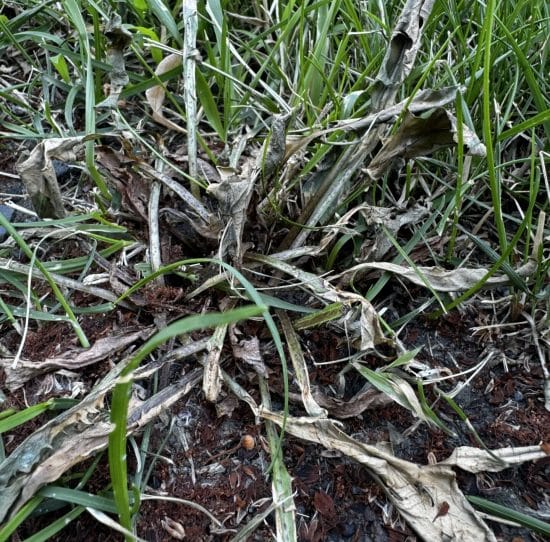
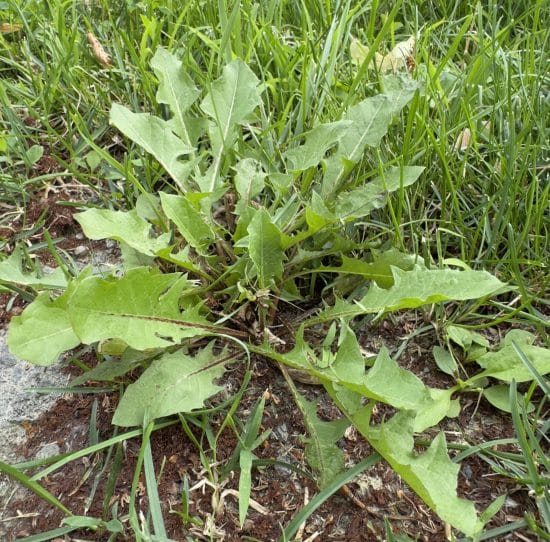
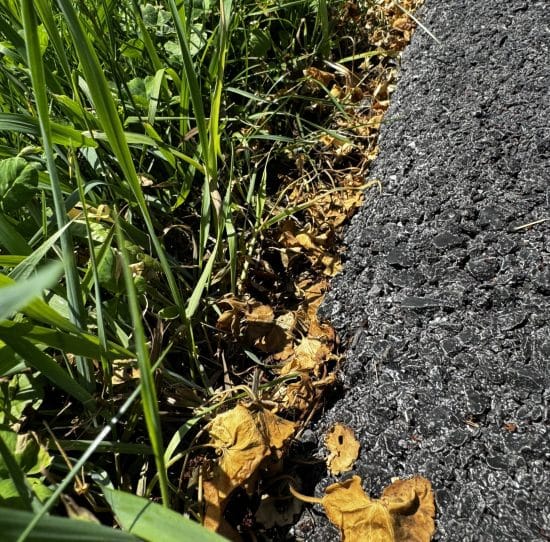
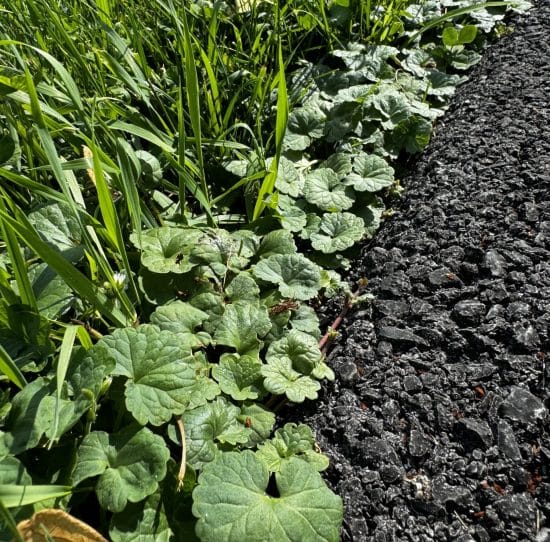
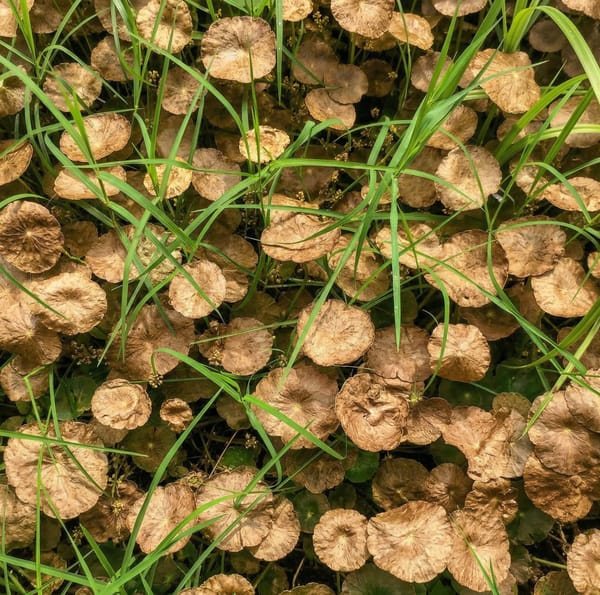
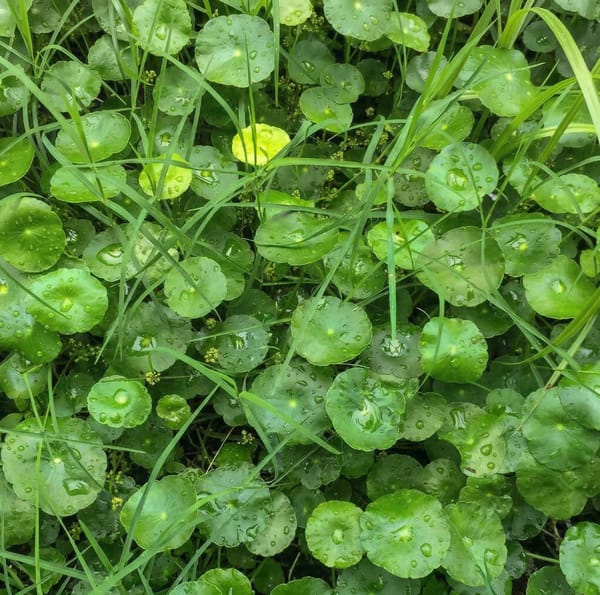
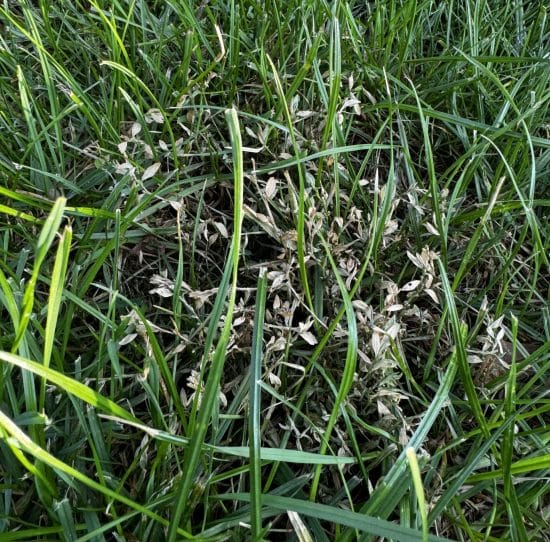
Salacia controls hundreds of broadleaf weeds through contact-based dehydration — no synthetic chemicals. Here are 56 of the most common, with real before & after results and step-by-step treatment guides.
Showing 56 of 56 weeds
Lawn Weed Identification & Treatment
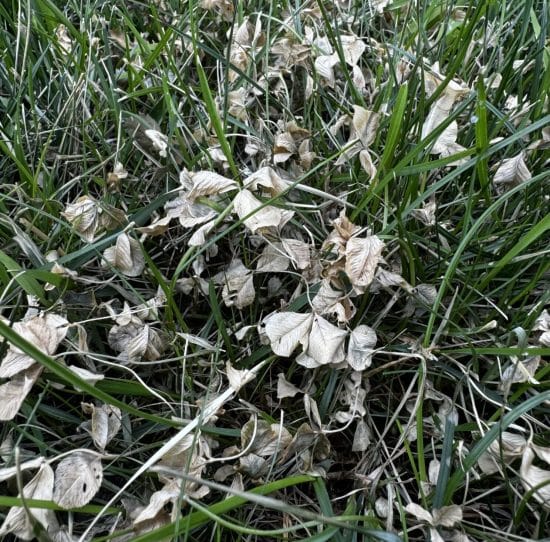
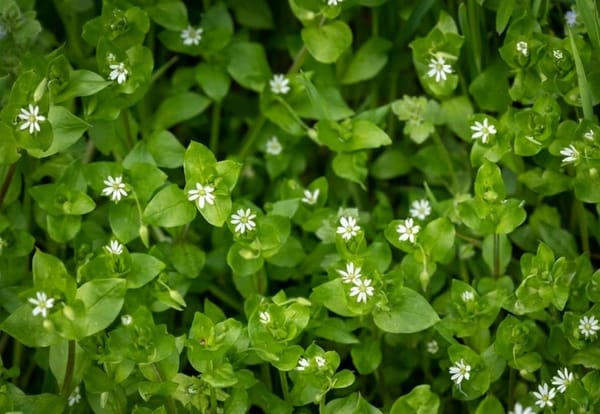
ChickweedStellaria media
Before Treatment
A cool-season annual forming dense, low mats of small oval leaves with tiny white star-shaped flowers. One of the first weeds to emerge in late winter.
Lawn Safe
Applications
1-2
Mix Rate
3 cups/gal
Selective rate (3 cups/gal). Chickweed forms dense, low-growing mats — get UNDER the canopy. Spray stems, undersides, and soil area around the base. Surface-only spray misses the hidden growth that drives regrowth. Always test a small area of your lawn first before full application.
1-2 applications. Thrives in cool weather — often appears in fall and early spring.
Chickweed is highly responsive to Salacia. Full coverage is still critical — your results are directly proportional to your coverage.
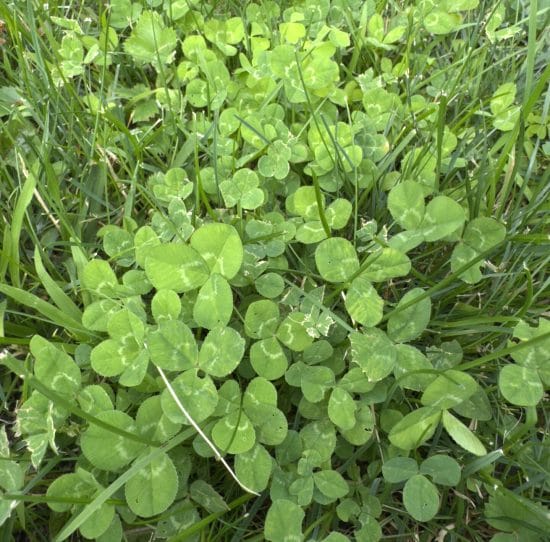
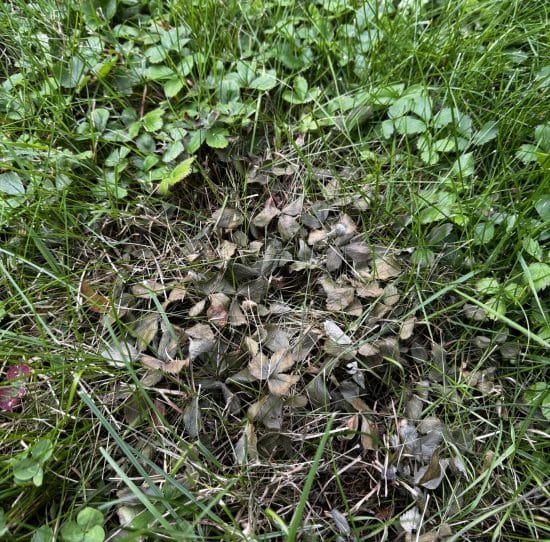
Low-growing mat-forming weed with distinctive three-leaf clusters. Thrives in nitrogen-poor lawns and spreads quickly through runners and seeds.
Lawn Safe
Applications
1-2
Mix Rate
3 cups/gal
Selective rate (3 cups/gal). Clover forms dense mats — get UNDER the canopy, not just the top surface. Spray stems, undersides of leaves, and soil area around the base. The hidden growth underneath is what comes back if you only treat the surface. Always test a small area of your lawn first before full application.
1-2 applications. Regrowth from seed bank is normal — retreat new growth as it appears.
Clover is among the most responsive weeds to Salacia. Full coverage is still critical — your results are directly proportional to your coverage.
A major allergen-producing annual weed that can grow several feet tall. Each plant produces millions of pollen grains per season.
Lawn Safe
Applications
1-2
Mix Rate
3 cups/gal
Selective rate (3 cups/gal). Apply generously to all foliage, stems, and the crown area until runoff. Ragweed can grow tall — make sure to get full coverage on all leaf surfaces and stems. Always test a small area of your lawn first before full application.
1-2 applications. Annual weed — new plants may emerge from seeds throughout the growing season.
Ragweed is a major allergen producer. Treat before it flowers to prevent pollen release. Full coverage on all plant surfaces is the #1 success factor.
The most recognized lawn weed with bright yellow flowers and deep taproots. Spreads rapidly via wind-carried seeds.
Lawn Safe
Crown Pooling
Applications
1-2
Mix Rate
3 cups/gal
Selective rate (3 cups/gal). Crown pooling is essential — spray leaves generously until runoff, then pool/accumulate solution directly in the crown (center rosette). Blanket spraying alone will not control dandelions. Each plant needs that direct crown shot. Always test a small area of your lawn first before full application.
1-2 applications. New dandelions may emerge from the extensive seed bank — this is normal, not a failure. Retreat new rosettes as they appear.
Crown pooling is the #1 success factor for dandelions. Without it, the plant will regrow from the crown even if leaves wilt. Spray leaves AND pool in the crown — every single plant.
A creeping perennial with round, scalloped leaves and a minty smell when crushed. Spreads aggressively via stolons, especially in shady areas.
Lawn Safe
Applications
2-3
Mix Rate
3 cups/gal
Selective rate (3 cups/gal). Ground ivy (creeping charlie) forms dense, spreading mats — get UNDER the canopy. Lift mat edges if needed and spray stems, undersides of leaves, and the soil area beneath. The hidden runners underneath are what drive regrowth if you only treat the surface. Always test a small area of your lawn first before full application.
2-3 applications typical. Ground ivy is aggressive — follow-up treatments as new runners emerge.
Ground ivy is one of the most persistent weeds. Full coverage is absolutely critical — canopy, stems, undersides, soil area. Multiple angles if needed. Your results are directly proportional to your coverage.
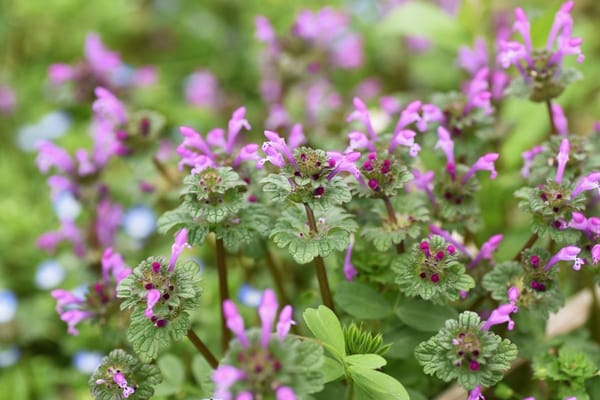
A winter annual with square stems, rounded scalloped leaves, and small pink-purple flowers. Covers bare patches in early spring before warm grasses green up.
Lawn Safe
Applications
1-2
Mix Rate
3 cups/gal
Selective rate (3 cups/gal). Henbit forms upright clusters with square stems — spray all foliage, stems, and the soil area around the base until runoff. Get full coverage including lower leaves that hide near the ground. Always test a small area of your lawn first before full application.
1-2 applications. Winter annual — germinates in fall, flowers in early spring. Treat early for best results.
Henbit often appears in dense patches in early spring. Full coverage is critical — do not just mist the tops. Get the stems and lower growth that drive the plant.
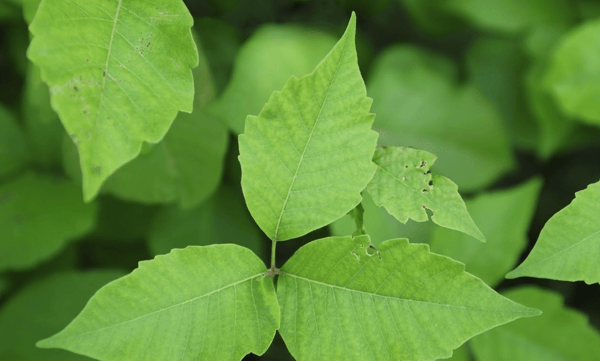
A hazardous perennial vine or shrub with distinctive three-leaflet clusters. Its oil (urushiol) causes severe allergic skin reactions in most people upon contact.
Heavy Duty
Applications
1-2
Mix Rate
4 cups/gal
Non-selective rate (4 cups/gal). Apply very generously to all leaves (front and back), stems, and vines. Drench until runoff. Precision targeting to avoid overspray on desirable plants. Always wear full protective clothing.
3+ applications typical. Poison ivy is extremely persistent — repeat treatments as new growth emerges. May require treatment across multiple seasons.
CRITICAL SAFETY: Wear full protective clothing — long sleeves, pants, chemical-resistant gloves, and eye protection. Urushiol oil causes severe allergic reactions. Wash all equipment and clothing thoroughly after use. Do NOT burn poison ivy — smoke carries urushiol and can cause severe respiratory reactions.
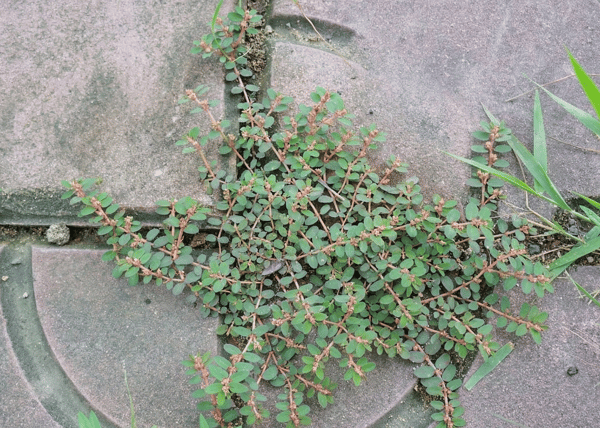
A low-growing summer annual forming flat, spreading mats with small oval leaves and milky white sap. Thrives in hot, dry conditions and thin turf areas.
Lawn Safe
Applications
1-2
Mix Rate
3 cups/gal
Selective rate (3 cups/gal). Spurge grows flat against the ground — get UNDER the canopy and spray stems, undersides, and the soil area around the base. Surface-only spray misses the prostrate growth habit. Always test a small area of your lawn first before full application.
1-2 applications. Best controlled when young before it spreads into large mats.
Milky sap may cause skin irritation — wear gloves when handling. Spurge grows flat and tight to the ground, so getting under the canopy is the key challenge.
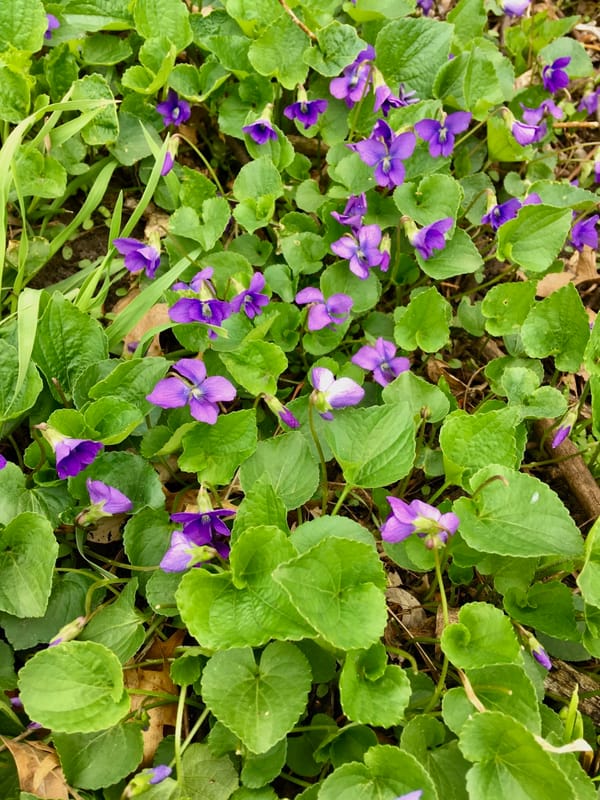
Wild VioletViola sororia
BeforeAfter
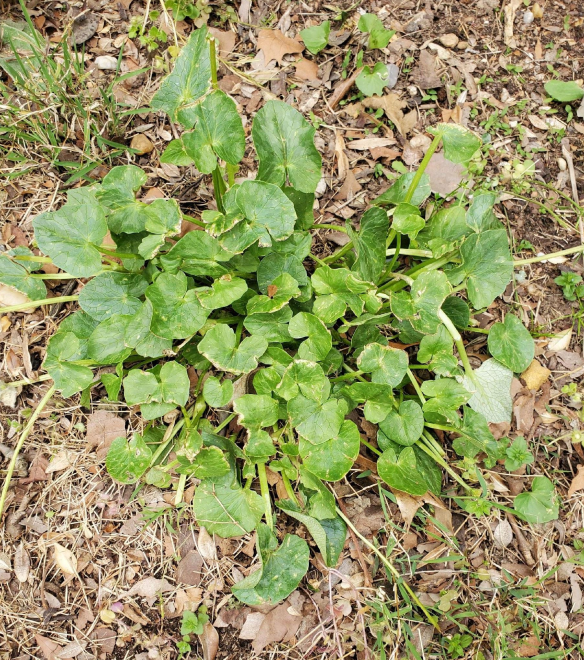
A persistent perennial with heart-shaped leaves and a waxy surface that resists sprays. Thrives in shady, moist areas of the lawn.
Lawn Safe
Applications
2-3
Mix Rate
3 cups/gal
Selective rate (3 cups/gal). Wild violet has waxy leaves — product can bead off the surface. Thorough drenching coverage is critical. Get the undersides of leaves where the wax coating is thinner. Spray stems and soil area around the crown. Always test a small area of your lawn first before full application.
The waxy leaf surface is the main challenge. Do not mist — drench. Get undersides where wax is thinner. Your results are directly proportional to your coverage.
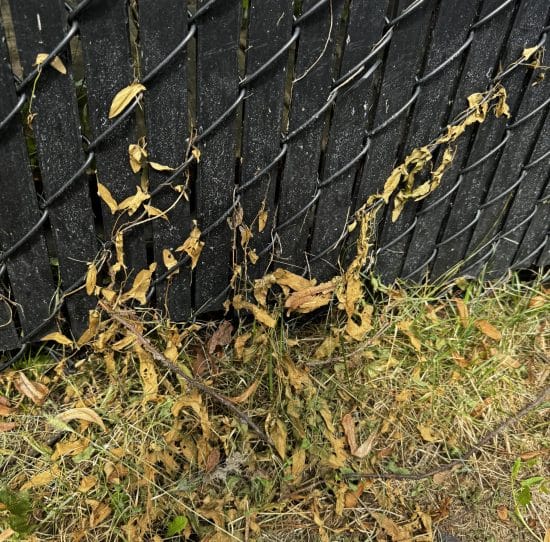
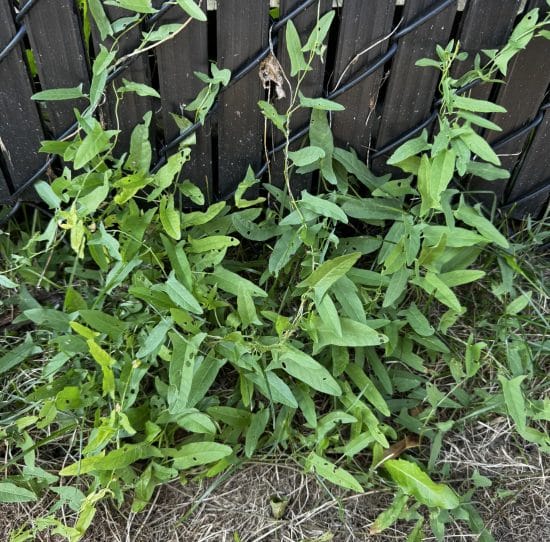
A twining vine that wraps around fences and plants, spreading aggressively through deep roots that can extend over 20 feet underground.
Lawn Safe
Applications
1-2
Mix Rate
3 cups/gal
Selective rate (3 cups/gal). Trace vines back to the base and spray the entire length — leaves, stems, and crown. Bindweed tangles through grass, so targeted application preserving surrounding turf is important. Always test a small area of your lawn first before full application.
1-2 applications with follow-ups as needed. Deep root system means persistence may be required for complete control.
Bindweed has an extensive deep root system. Trace every vine back to the base — the crown and root zone are where regrowth originates. Full coverage along the entire vine is critical.
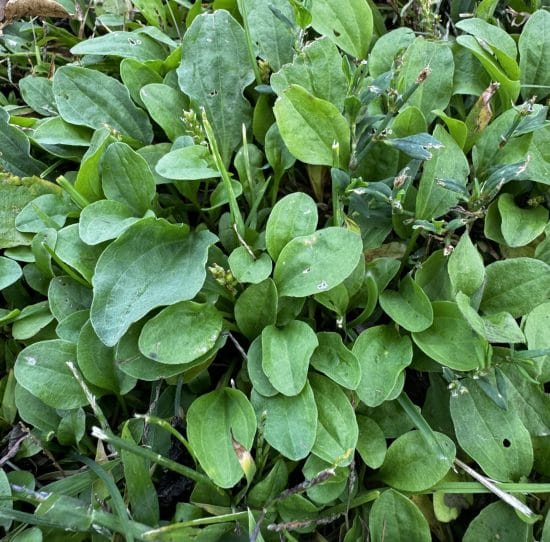
Broadleaf PlantainPlantago major
BeforeAfter
A tough rosette-forming perennial with broad, ribbed leaves. Tolerates compacted soil and heavy foot traffic where grass struggles.
Precision Required
Crown Pooling
Applications
2-3+
Mix Rate
4 cups/gal
Non-selective rate (4 cups/gal) with surgical precision. Treat as EARLY as possible — young plantain is much easier to kill. Once it matures, the crown hardens and control becomes significantly harder. Soak every leaf top and bottom, every stem, and pool product into the crown until it drips off. If it's not dripping, you haven't used enough. Target only the weed to protect surrounding grass. Mow first for better penetration. Always test a small area first.
2-3+ applications typical. Plantain is one of the toughest broadleaf weeds — patience and persistence are required.
Plantain is the toughest broadleaf weed you'll face. Early treatment is critical — a young plantain is a dead plantain, but a mature one fights back hard. Light spraying does nothing — if it's not dripping off the leaves, add more. Crown pooling is critical: pool product at the base where the leaves meet the root. Multiple heavy, precise applications are the norm. Be patient, be aggressive, and don't hold back on product.
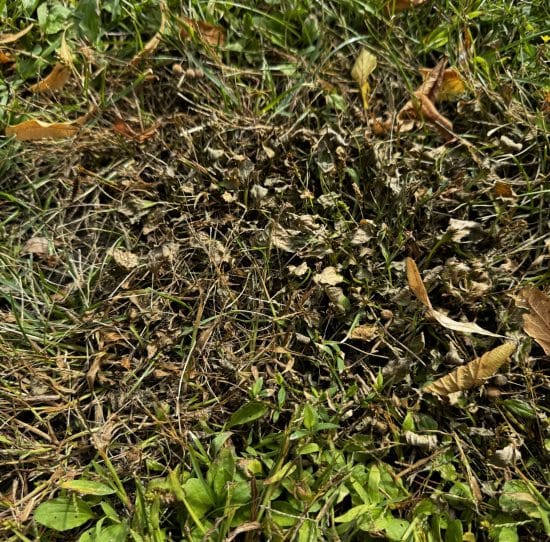
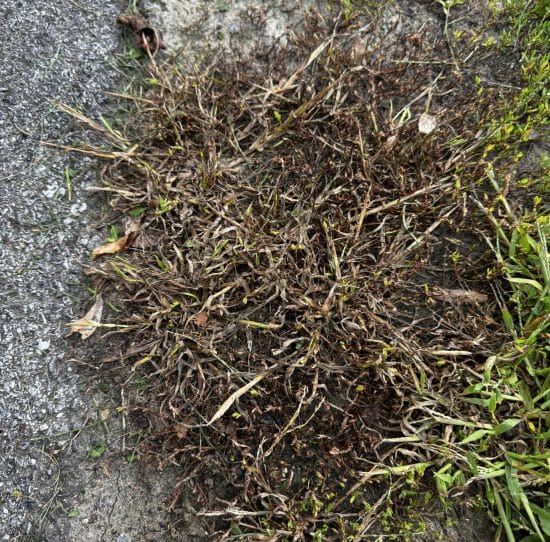
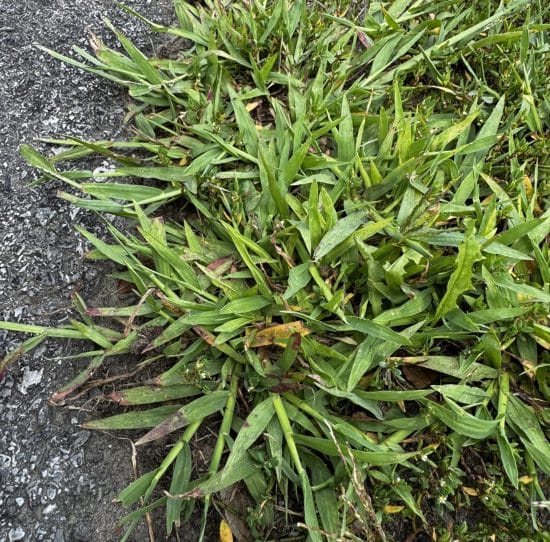
CrabgrassDigitaria sanguinalis
BeforeAfter
An aggressive annual grass that forms flat, spreading clumps in thin or stressed turf. Thrives in hot summer conditions.
Precision Required
Applications
1-3
Mix Rate
4 cups/gal
Non-selective rate (4 cups/gal) with heavy volume. Salacia CAN kill crabgrass, but ONLY at the non-selective rate — this WILL damage surrounding lawn grass. Best suited for dense crabgrass patches where you can drench the entire area and reseed afterward. NOT practical for scattered crabgrass spread through the lawn — you would damage too much grass chasing individual plants. For dense patches: soak all foliage, stems, crown, and soil area until runoff. Plan to overseed the treated area once the crabgrass is dead.
1-3 applications depending on maturity. Dense patches may need retreatment as new shoots emerge from seeds in the soil. Overseed treated areas to fill in.
Crabgrass is a grass — Salacia cannot distinguish it from lawn grass. The non-selective rate needed to kill crabgrass WILL damage surrounding turf. Only practical for dense patches you can target as a whole area, not for scattered individual plants in a lawn.
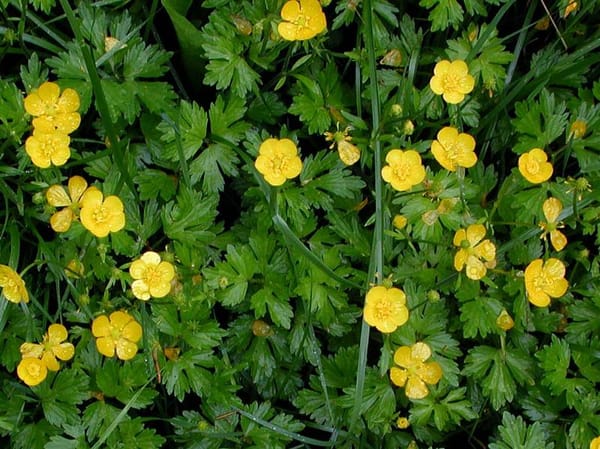
Creeping ButtercupRanunculus repens
Before Treatment
A perennial with glossy yellow flowers and three-lobed leaves. Spreads rapidly through above-ground runners, especially in wet, poorly drained areas.
Lawn Safe
Applications
1-2
Mix Rate
3 cups/gal
Selective rate (3 cups/gal). Creeping buttercup spreads via stolons (runners) — trace runners and spray all leaves, stems, stolons, and the soil area around each rooting point. Get UNDER the leaf canopy for full coverage. Always test a small area of your lawn first before full application.
1-2 applications. Spreads via stolons that root at nodes — treat the full connected network.
Creeping buttercup spreads via above-ground stolons that root at each node. Every runner and rooting point needs treatment — missing connected plants allows the network to regenerate. Note: buttercup sap can cause mild skin irritation — wear gloves.
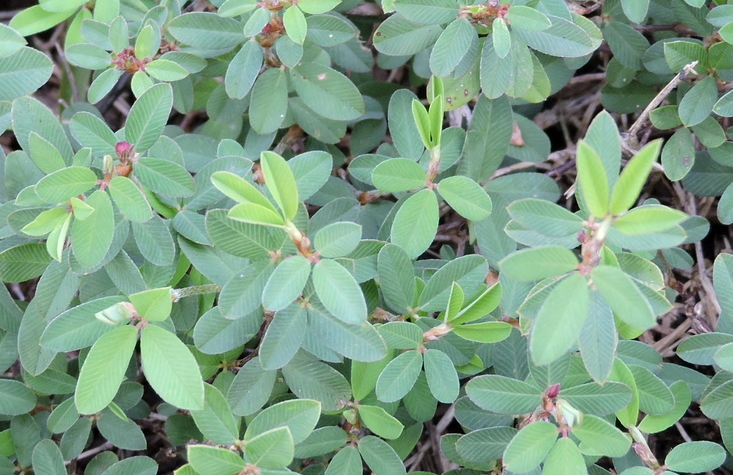
Creeping Tick TrefoilDesmodium rotundifolium
Before Treatment
A low-growing perennial legume with trailing hairy stems that creeps along the ground, forming dense mats in lawns. Produces sticky segmented seedpods that cling to clothing and animal fur.
Lawn Safe
Applications
1-2
Mix Rate
3 cups/gal
Selective rate (3 cups/gal). Tick trefoil forms dense trailing mats — get UNDER the canopy, not just the top surface. Spray stems, undersides of leaves, and soil area around the base. The hidden growth underneath is what comes back if you only treat the surface. Always test a small area of your lawn first before full application.
1-2 applications. Regrowth from seed bank is normal — retreat new growth as it appears.
Trailing stems root at nodes where they contact soil — trace runners back to origin points and spray thoroughly. Sticky seedpods spread via mower decks, clothing, and pets, so treat before pods form to prevent spread.
Field BurrweedSoliva sessilis
Before Treatment
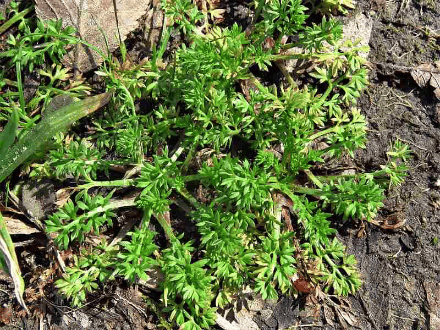
A low-growing winter annual with finely divided, carrot-like leaves and small spiny burs that are painful to bare feet and pets. Thrives in thin, warm-season turf.
Lawn Safe
Applications
1-2
Mix Rate
3 cups/gal
Selective rate (3 cups/gal). Burrweed forms low, flat mats close to the ground — get UNDER the canopy. Spray all foliage, stems, and the soil area around the base until runoff. Treat early in winter or early spring before the spine-tipped burs form. Once burs are present, seeds are already set. Always test a small area of your lawn first before full application.
1-2 applications. Winter annual — germinates in fall, matures in spring. Treat as early as possible for best results. New plants emerge from seeds each fall.
Timing is everything with burrweed. The plant is small and easy to kill in winter, but by spring it produces sharp spine-tipped burs that are painful to step on. Treat before burs form. The mat-forming habit means you need full coverage underneath — light surface spray will miss hidden growth.
Fig ButtercupFicaria verna
BeforeAfter
An early-spring perennial with glossy, heart-shaped leaves and bright yellow flowers. Spreads via underground tubers and bulbils.
Lawn Safe
Applications
2-3
Mix Rate
3 cups/gal
Selective rate (3 cups/gal). Lesser celandine has glossy, heart-shaped leaves — the glossy surface can cause product to bead off. Drench thoroughly to overcome the waxy coating. Spray all leaves, stems, and the soil area around bulbils/tubers. Always test a small area of your lawn first before full application.
2-3 applications typical. Reproduces via underground bulbils and tubers — persistence is key.
Lesser celandine reproduces via underground bulbils that survive surface treatment. Multiple applications targeting both foliage and the soil/crown area are essential. Glossy leaves require drenching, not misting.
Japanese CloverKummerowia striata
BeforeAfter
A low-growing annual legume that invades thin turf in late summer. Forms dense patches that crowd out desirable grasses.
Lawn Safe
Applications
1-2
Mix Rate
3 cups/gal
Selective rate (3 cups/gal). Japanese clover forms low, dense patches — get full coverage on all foliage, stems, and the soil area around the base. Spray undersides of leaves and stems, not just the top surface. Always test a small area of your lawn first before full application.
1-2 applications. Annual weed — seeds can germinate throughout the growing season.
Japanese clover forms dense, low-growing patches that can resist surface-only spraying. Getting under the canopy for full coverage is the key to success.
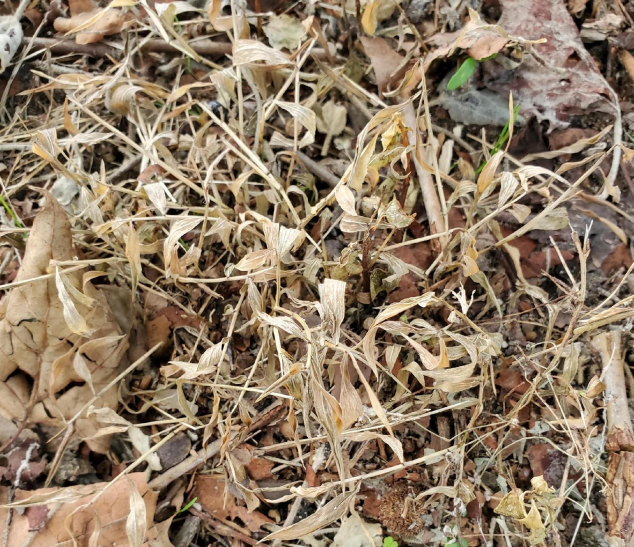
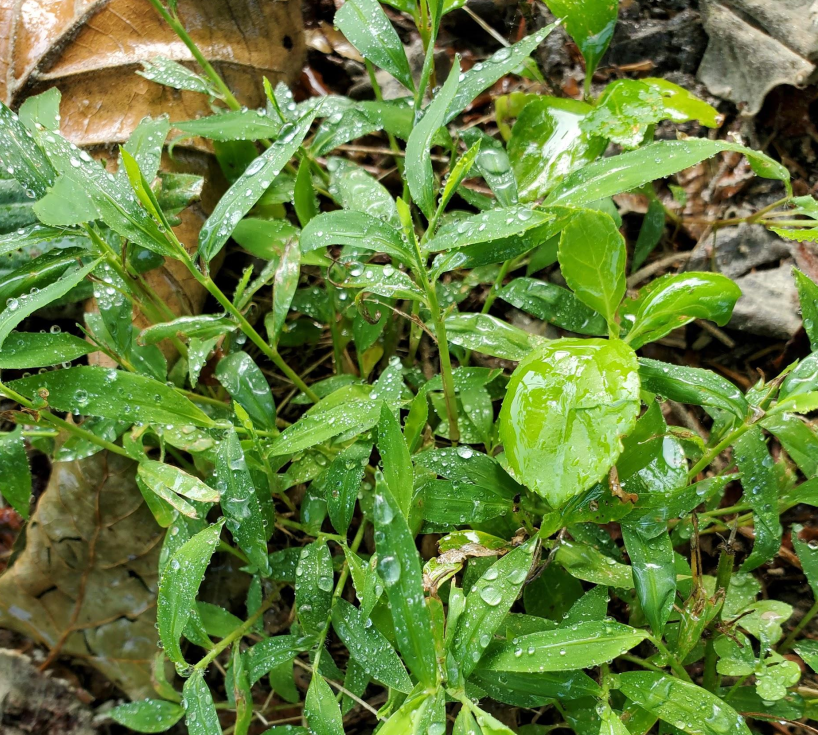
Japanese StiltgrassMicrostegium vimineum
BeforeAfter
An invasive annual grass with a distinctive silver midrib on each leaf blade. Thrives in shade and moist conditions.
Lawn Safe
Applications
1-2
Mix Rate
3 cups/gal
Selective rate (3 cups/gal). Japanese stiltgrass is a grass-type weed — precision is important to preserve desirable turf. Target stiltgrass foliage and stems directly, spraying until runoff. Always test a small area of your lawn first before full application.
1-2 applications. Annual weed — massive seed production means new plants will emerge. Treat before seed set (late summer) for best long-term control.
Japanese stiltgrass produces enormous quantities of seed. Treating before it sets seed (typically late August/September) dramatically reduces next year's infestation. Timing matters more than with most weeds.
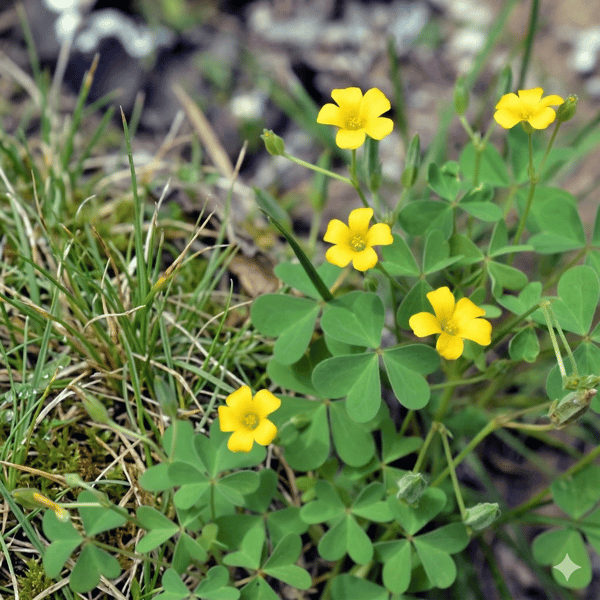
OxalisOxalis stricta
Before Treatment
A persistent perennial with clover-like leaves that fold at night and small yellow flowers. Produces explosive seed capsules that scatter seeds up to 10 feet.
Lawn Safe
Applications
1-2
Mix Rate
3 cups/gal
Selective rate (3 cups/gal). Apply generously to all foliage and stems until runoff. Oxalis forms low, spreading clusters — make sure to get full coverage on leaf undersides and stems, not just the top surface. Always test a small area of your lawn first before full application.
1-2 applications. Oxalis seeds can remain viable in soil for years — regrowth from seed bank is normal. Retreat new growth as it appears.
Oxalis produces explosive seed pods that scatter seeds widely. Treat before seed pods form when possible. Full coverage is the #1 success factor.
PennywortHydrocotyle umbellata
BeforeAfter
A creeping perennial with round, coin-shaped leaves and shallow roots. Thrives in moist, warm-climate lawns and can quickly dominate wet areas.
Lawn Safe
Applications
1-2
Mix Rate
3 cups/gal
Selective rate (3 cups/gal). Apply generously to all round leaves, stems, and the soil area around the base until runoff. Pennywort spreads via runners — trace them and spray the full network. Always test a small area of your lawn first before full application.
1-2 applications. Spreads via underground runners and tubers — follow-up as new growth appears.
Pennywort/dollarweed thrives in wet, over-irrigated areas. Reducing irrigation frequency can help prevent its return. Full coverage including runners is critical.
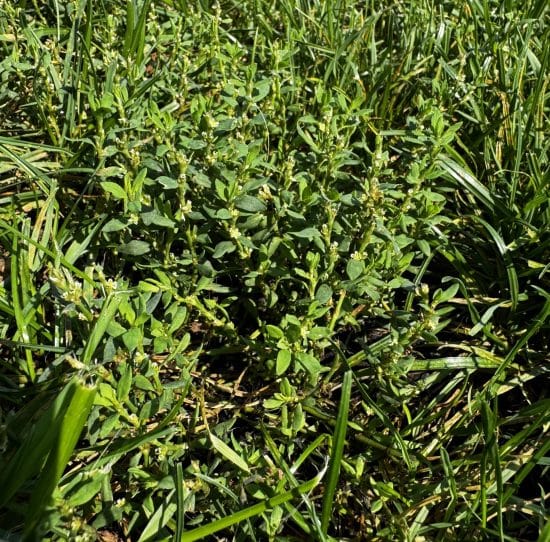
A wiry annual weed that forms flat mats along driveways, sidewalks, and compacted soil. One of the first weeds to appear in spring.
Lawn Safe
Applications
1-2
Mix Rate
3 cups/gal
Selective rate (3 cups/gal). Prostrate knotweed grows flat against the ground in tough, wiry mats — get UNDER the canopy. Spray stems, leaf undersides, and the soil area around the base. Always test a small area of your lawn first before full application.
1-2 applications. Annual weed that thrives in compacted soil — aeration and overseeding help prevent return.
Prostrate knotweed thrives in compacted, high-traffic areas. Its tough, wiry stems require thorough coverage. Address soil compaction to reduce reinfestation.
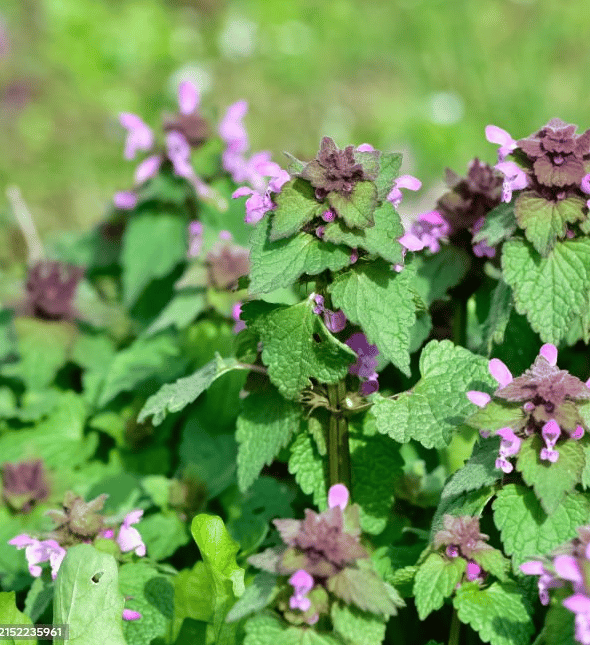
Purple Dead NettleLamium purpureum
Before Treatment
A winter annual with square stems, heart-shaped purple-tinted leaves, and small pink-purple flowers. Often confused with henbit; appears in early spring.
Lawn Safe
Applications
1-2
Mix Rate
3 cups/gal
Selective rate (3 cups/gal). Dead nettle forms upright clusters with square stems — spray all foliage (including the distinctive purple-tinted upper leaves), stems, and the soil area around the base until runoff. Always test a small area of your lawn first before full application.
1-2 applications. Winter annual — germinates in fall, flowers in early spring. Treat before it sets seed.
Dead nettle often grows in dense patches and is sometimes confused with henbit. Full coverage of stems and lower growth is critical — do not just spray the purple leaf tips.
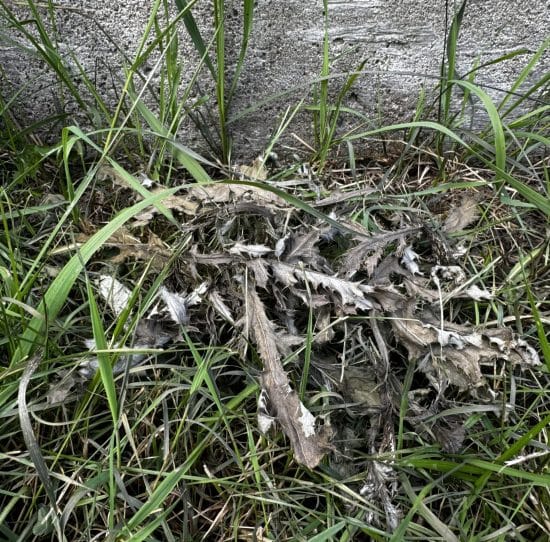
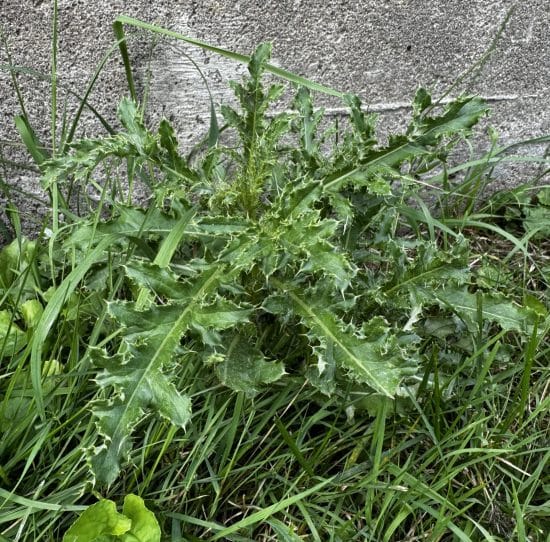
A spiny perennial with deep roots and aggressive spreading habits. Its sharp spines make it a hazard for bare feet and pets.
Precision Required
Applications
1-3
Mix Rate
4 cups/gal
Non-selective rate (4 cups/gal) or very targeted high-dose selective rate, applied precisely on thistle foliage, stems, and crown. Get full coverage on all leaf surfaces and drench the crown area. Do NOT blanket spray — precision application preserving surrounding grass is essential. Always test a small area of your lawn first before full application.
1-3 applications depending on maturity and species. Thistles can regrow from root fragments — persistence is key.
Wear protective gloves and clothing due to sharp spines. Precision targeting is critical in lawns — blanket spray will stress surrounding grass.
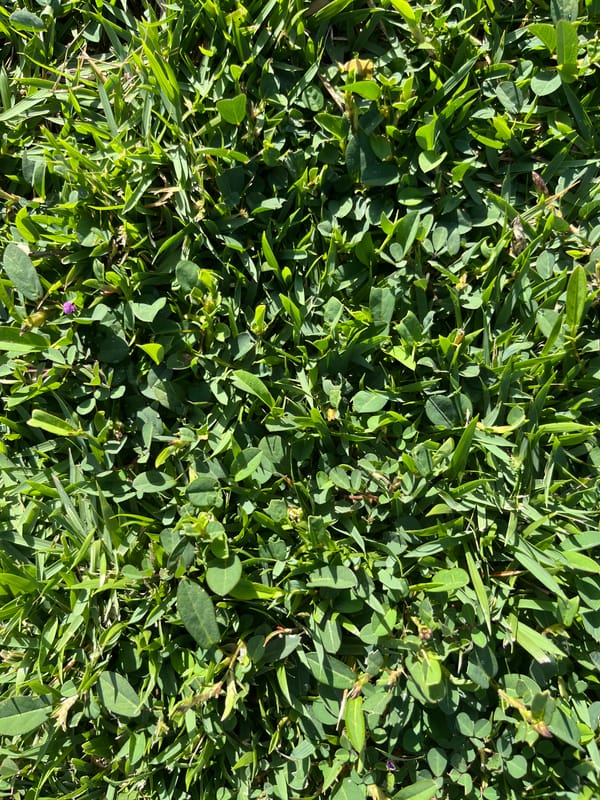
Low-growing legume weed closely related to clover. Prostrate to semi-erect stems that spread along the ground and survive frequent mowing. Common in southeastern US lawns, golf courses, and warm-climate turf. Small purple-pink flowers, simple leaves (not divided like clover). Perennial in warm areas, annual in drier climates.
Lawn Safe
Applications
1-2
Mix Rate
3 cups/gal
Selective rate (3 cups/gal). White moneywort forms low, spreading mats similar to clover — get UNDER the canopy. Spray stems, undersides of leaves, and the soil area around the base. Surface-only spray misses the hidden growth that drives regrowth. Always test a small area of your lawn first before full application.
1-2 applications. Regrowth from seed bank is normal — retreat new growth as it appears.
White moneywort is a legume like clover and responds similarly to Salacia. The key challenge is the same — getting under the mat for full stem and underside coverage. Surface-only spray will leave hidden growth that regenerates.
Wild StrawberriesFragaria virginiana
BeforeAfter
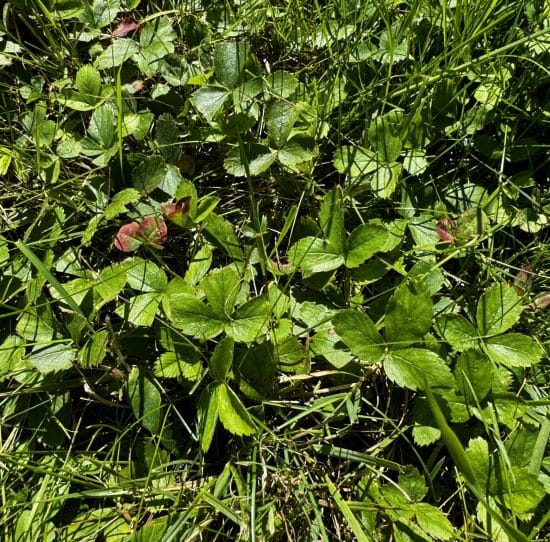
A spreading perennial with trifoliate leaves and small white flowers. Sends out runners that root at each node to colonize lawn areas.
Lawn Safe
Applications
1-2
Mix Rate
3 cups/gal
Selective rate (3 cups/gal). Wild strawberry spreads via runners (stolons) — trace runners and spray the entire network including mother plants and daughter rosettes. Get under the leaf canopy to hit stems and crown. Always test a small area of your lawn first before full application.
1-2 applications. Runners can regenerate from fragments — follow up as new rosettes appear.
Wild strawberry spreads aggressively via runners. Every runner and daughter rosette needs treatment — missing even one allows the network to regenerate. Full coverage of the entire connected system is critical.
A low-growing annual with small clover-like leaves and tiny yellow flower clusters. Thrives in compacted, nutrient-poor soils and spreads through seeds.
Lawn Safe
Applications
1-2
Mix Rate
3 cups/gal
Selective rate (3 cups/gal). Black medic forms low, spreading mats similar to clover — get UNDER the canopy. Spray stems, leaf undersides, and the soil area around the base. Always test a small area of your lawn first before full application.
1-2 applications. Annual weed — new plants emerge from seed throughout the growing season.
Black medic looks very similar to clover. It forms flat mats — getting under the canopy for full stem and underside coverage is the key challenge.
CarpetweedMollugo verticillata
Photo Coming Soon
A summer annual that forms flat, spreading mats with whorled leaves radiating from a central stem. Thrives in hot weather and thin turf.
Lawn Safe
Applications
1-2
Mix Rate
3 cups/gal
Selective rate (3 cups/gal). Carpetweed forms flat, radiating mats from a central point — get UNDER the canopy. Spray stems, undersides, and the soil area around the central crown. Always test a small area of your lawn first before full application.
1-2 applications. Annual summer weed — best controlled when young before mats expand.
Carpetweed grows flat and radiates outward from a single point. Getting under the mat to hit stems and the central crown is critical for complete control.
Common LespedezaKummerowia striata
Photo Coming Soon
A low-growing summer annual with trifoliate leaves similar to clover but more elongated. Thrives in poor, dry soils when warm-season lawns are stressed.
Lawn Safe
Applications
1-2
Mix Rate
3 cups/gal
Selective rate (3 cups/gal). Common lespedeza forms low, spreading patches — spray all foliage, stems, and the soil area around the base until runoff. Get full coverage on the trifoliate leaves (3-leaflet clusters). Always test a small area of your lawn first before full application.
1-2 applications. Annual weed — seeds can germinate throughout the growing season.
Common lespedeza thrives in thin, nutrient-poor turf. Improving lawn density through overseeding and proper fertilization helps prevent its return. Full coverage is the #1 success factor.
Common YarrowAchillea millefolium
Photo Coming Soon
A perennial with feathery, fern-like leaves and flat-topped clusters of white flowers. Spreads aggressively through rhizomes and tolerates very low mowing.
Lawn Safe
Applications
1-2
Mix Rate
3 cups/gal
Selective rate (3 cups/gal). Yarrow forms spreading patches via rhizomes — spray all fern-like foliage, stems, and the soil area around the crown until runoff. Always test a small area of your lawn first before full application.
1-2 applications. Spreads via rhizomes — follow up as new growth appears from underground runners.
Yarrow spreads via underground rhizomes. Treating visible growth is essential, but watch for new shoots emerging nearby from the rhizome network.
Corn SpeedwellVeronica arvensis
Photo Coming Soon
A small winter annual with tiny blue flowers and scalloped leaves. Forms dense patches in thin turf during cool months before dying back in summer.
Lawn Safe
Applications
1-2
Mix Rate
3 cups/gal
Selective rate (3 cups/gal). Corn speedwell is small and low-growing — get thorough coverage on all tiny leaves, stems, and the soil area around the base. Easy to under-spray due to its small size. Always test a small area of your lawn first before full application.
1-2 applications. Annual/winter annual — seeds can germinate in fall and early spring.
Corn speedwell is tiny and easy to under-spray. Its small size means you need to slow down and ensure every plant gets full coverage. Do not rush through patches.
Creeping JennyLysimachia nummularia
Photo Coming Soon
A vigorous creeping perennial with round, coin-shaped leaves and bright yellow flowers. Spreads rapidly by stolons in moist, shady lawn areas.
Lawn Safe
Applications
1-2
Mix Rate
3 cups/gal
Selective rate (3 cups/gal). Creeping jenny forms dense, trailing mats — get UNDER the canopy. Lift mat edges and spray stems, undersides of leaves, and the soil area beneath. The hidden runners drive regrowth if you only treat the surface. Always test a small area of your lawn first before full application.
1-2 applications. Trailing stems can root at nodes — follow up as new growth appears from surviving fragments.
Creeping jenny roots at every node along its trailing stems. Getting under the mat to hit stems and soil contact points is critical — surface-only spray will not reach the growth engine underneath.
Curly DockRumex crispus
Photo Coming Soon
A deep-rooted perennial with large, wavy-edged leaves forming a basal rosette. Its taproot can reach several feet deep, making hand removal difficult.
Lawn Safe
Applications
1-2
Mix Rate
3 cups/gal
Selective rate (3 cups/gal). Curly dock has large leaves and a deep taproot — drench all leaf surfaces (both sides), stems, and the crown/soil area generously until runoff. Always test a small area of your lawn first before full application.
1-2 applications. Deep taproot may require follow-up treatment if regrowth occurs from the root crown.
Curly dock has a very deep, fleshy taproot that stores energy for regrowth. Thorough coverage of the crown area — not just leaves — is critical for preventing comeback.
Cypress SpurgeEuphorbia cyparissias
Photo Coming Soon
Upright perennial weed, 6-12 inches tall, with fine needle-like leaves and yellow-green flower clusters. Spreads aggressively through underground rhizomes forming dense colonies. Common in garden beds, disturbed areas, roadsides, and old cemeteries. Milky sap can irritate skin.
Lawn Safe
Applications
2-3
Mix Rate
3 cups/gal
Selective rate (3 cups/gal). Spray directly onto the upright stems and leaf clusters until runoff. Cypress spurge stands 6-12 inches tall, so full coverage of the foliage is straightforward — spray top-down. Focus on getting the yellow-green flower heads and needle-like leaves thoroughly wet. Always test a small area of your lawn first before full application.
Expect 2-3 applications. Rhizome regrowth is common — monitor for 2-3 weeks after initial treatment and re-spray any new shoots.
Wear gloves — the milky sap can cause skin irritation and blistering. Avoid contact with eyes.
DallisgrassPaspalum dilatatum
Photo Coming Soon
A clump-forming warm-season perennial grass with coarse, wide blades and distinctive seed heads. Spreads via short rhizomes and seeds, forming unsightly patches in lawns.
Precision Required
Applications
2-3
Mix Rate
4 cups/gal
NOT recommended in lawns. Salacia can kill dallisgrass, but only at the non-selective rate (4 cups/gal) with heavy volume — this will damage your lawn grass too. For dallisgrass in lawns, the best organic approach is hand-pulling (get the full root clump), overseeding to crowd it out, and maintaining proper mowing height.
2-3 applications likely needed. Deep, clumping root system means persistence is required. Retreat any regrowth aggressively.
Dallisgrass forms dense clumps with deep roots. The key is heavy volume — don't just mist the top. Drench the entire plant and soil area around the base. Multiple applications are the norm for complete control.
English DaisyBellis perennis
Photo Coming Soon
A low-growing perennial forming dense rosettes of spoon-shaped leaves with white-and-pink flowers. Spreads through seeds and short rhizomes in cool, moist lawns.
Lawn Safe
Applications
1-2
Mix Rate
3 cups/gal
Selective rate (3 cups/gal). English daisy forms low rosettes — spray all foliage, the crown center, and the soil area around the base until runoff. Always test a small area of your lawn first before full application.
1-2 applications. Perennial — may regrow from crown if not thoroughly treated.
English daisy forms tight rosettes close to the ground. Getting full coverage on the crown center and leaf bases is essential for complete control.
FleabaneErigeron annuus
Photo Coming Soon
An annual weed resembling a small daisy with thin white-to-pink ray petals. Grows 1-3 feet tall and produces thousands of wind-dispersed seeds.
Lawn Safe
Applications
1-2
Mix Rate
3 cups/gal
Selective rate (3 cups/gal). Fleabane grows upright with hairy stems — spray all foliage, stems, and the basal rosette/crown area until runoff. Always test a small area of your lawn first before full application.
1-2 applications. Produces large quantities of wind-dispersed seeds — treat before flowering for best long-term results.
Fleabane produces thousands of wind-dispersed seeds. Treating before it flowers significantly reduces future infestations. Full coverage on stems and basal growth is critical.
Giant HogweedHeracleum mantegazzianum
Photo Coming Soon
A hazardous invasive perennial growing 10-15 feet tall with enormous umbrella-shaped flower clusters. Its sap causes severe burns upon skin contact with sunlight.
Heavy Duty
Applications
1-2
Mix Rate
4 cups/gal
Non-selective rate (4 cups/gal). Apply very generously with full protective gear. Extreme caution required — see safety warning below.
3+ applications typical. Persistence is essential — monitor the area and retreat any regrowth.
CRITICAL SAFETY WARNING: Giant hogweed sap causes severe phytophotodermatitis — painful burns and permanent scarring when skin is exposed to sunlight after contact. Wear waterproof coveralls, chemical-resistant gloves, face shield, and rubber boots. Work on cloudy days if possible. Wash any contacted skin immediately with soap and water, keep out of sunlight for 48 hours. Consider professional removal for large infestations. Report sightings to local invasive species authorities.
Hairy BittercressCardamine hirsuta
Photo Coming Soon
A fast-growing winter annual with tiny white flowers and explosive seed pods that shoot seeds several feet. Appears in lawns and garden beds in late winter.
Lawn Safe
Applications
1-2
Mix Rate
3 cups/gal
Selective rate (3 cups/gal). Bittercress forms low rosettes — spray all foliage, stems, and the soil area around the base until runoff. Get full coverage including the rosette center. Always test a small area of your lawn first before full application.
1-2 applications. Winter annual — germinates in fall, matures quickly in spring. Treat early before it sets seed.
Bittercress has explosive seed pods that scatter seeds several feet when disturbed. Treat before seed pods form — once pods mature, seeds spread rapidly.
HawkweedHieracium
Photo Coming Soon
A perennial with fuzzy, tongue-shaped basal leaves and dandelion-like yellow or orange flowers on leafless stems. Spreads by stolons in thin, acidic lawns.
Lawn Safe
Applications
1-2
Mix Rate
3 cups/gal
Selective rate (3 cups/gal). Hawkweed forms basal rosettes and spreads via stolons (runners) — spray all rosette leaves, stems, stolons, and the soil area around the crown until runoff. Always test a small area of your lawn first before full application.
1-2 applications. Spreads via stolons — trace runners and treat the full network.
Hawkweed spreads via above-ground stolons. Every runner and daughter rosette needs treatment — missing connected rosettes allows the network to regenerate.
Heal-allPrunella vulgaris
Photo Coming Soon
A low-growing perennial with square stems and dense purple flower spikes. Common in moist, shady lawn conditions and tolerates close mowing.
Lawn Safe
Applications
1-2
Mix Rate
3 cups/gal
Selective rate (3 cups/gal). Heal-all forms low, creeping mats — get UNDER the canopy. Spray stems, leaf undersides, runners, and the soil area beneath. Always test a small area of your lawn first before full application.
1-2 applications. Spreads via creeping stems that root at nodes — follow up as new growth appears.
Heal-all roots at stem nodes, creating a spreading network. Getting under the mat to hit stems and rooting points is critical — surface-only spray will not reach the growth engine.
Hoary CressLepidium draba
Photo Coming Soon
Invasive perennial broadleaf with white flower clusters. Common in western states.
Heavy Duty
Applications
1-2
Mix Rate
4 cups/gal
Non-selective rate (4 cups/gal) very heavy volume. Will damage grass. Multiple apps.
3+ applications. Deep roots persist.
Spreads through roots and seed. Prevent seed set.
Japanese KnotweedFallopia japonica
Photo Coming Soon
An extremely aggressive invasive perennial that can grow through concrete. Produces dense bamboo-like stands up to 10 feet tall with heart-shaped leaves.
Heavy Duty
Applications
1-2
Mix Rate
4 cups/gal
Non-selective rate (4 cups/gal). Apply very generously with precision to avoid overspray on desirable plants. Drench all leaves, stems, and as much of the plant as possible.
3+ applications over multiple seasons typical. Japanese knotweed is one of the most persistent invasive plants — long-term commitment is required.
Do NOT dig out or cut without treatment first — root fragments regenerate into new plants. Dispose of all plant material carefully (bag and trash, never compost). May be regulated in some areas — check local invasive species laws.
Johnson GrassSorghum halepense
Photo Coming Soon
Tall aggressive perennial grass with underground rhizomes, 3-8 feet tall.
Heavy Duty
Applications
1-2
Mix Rate
4 cups/gal
Non-selective rate (4 cups/gal) with very heavy volume. Will kill lawn grass. Best for dense patches to reseed. Multiple apps due to deep rhizomes.
3+ applications. Deep rhizomes store energy.
Tilling spreads rhizomes. Treat before flowering.
LambsquartersChenopodium album
Photo Coming Soon
A fast-growing summer annual with diamond-shaped leaves dusted in a whitish coating. Can reach several feet tall and produces tens of thousands of seeds.
Lawn Safe
Applications
1-2
Mix Rate
3 cups/gal
Selective rate (3 cups/gal). Lambsquarters grows upright and can get tall quickly — spray all foliage (front and back of leaves), stems, and the crown/base area until runoff. The powdery coating on leaves can resist light misting — drench thoroughly. Always test a small area of your lawn first before full application.
1-2 applications. Annual weed — prolific seed producer. Treat before it sets seed.
Lambsquarters has a powdery/waxy coating on its leaves that can cause product to bead off. Thorough drenching (not light misting) is essential to overcome the leaf coating.
MallowMalva neglecta
Photo Coming Soon
A spreading annual or biennial with rounded, scalloped leaves and small white-to-pink flowers. Its deep taproot and low growth help it survive close mowing.
Lawn Safe
Applications
1-2
Mix Rate
3 cups/gal
Selective rate (3 cups/gal). Mallow develops a deep taproot — thorough coverage of all foliage, stems, and the crown/soil area is essential. Drench until runoff. Always test a small area of your lawn first before full application.
1-2 applications. Deep taproot may require follow-up treatment if regrowth occurs.
Mallow has a tough, deep taproot that can drive regrowth. Thorough coverage of the crown and base area — not just leaves — is the key to preventing comeback.
MossBryophyta (various)
Photo Coming Soon
Low-growing dense green plant in shady, moist, acidic conditions. Symptom of poor grass growing conditions.
Precision Required
Applications
1-2
Mix Rate
4 cups/gal
Non-selective rate (4 cups/gal) targeted directly on moss patches. Will damage surrounding grass. Then fix root cause: aerate, lime, improve drainage, overseed shade-tolerant grass.
1-2 apps for moss. But moss WILL return unless you fix: compaction, pH, drainage, shade.
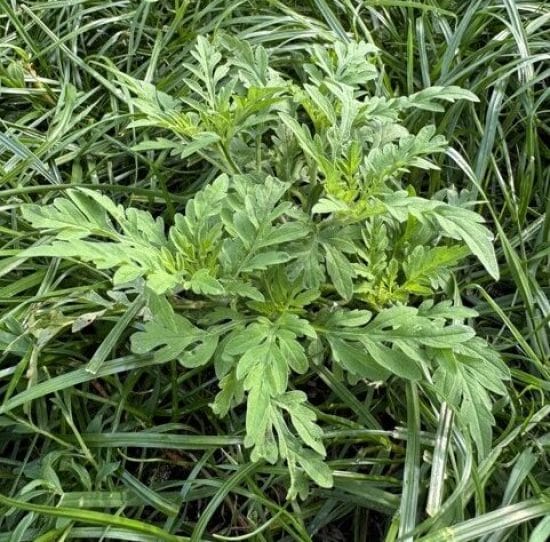
An aggressive perennial with deeply lobed, silvery-green aromatic leaves. Spreads through extensive rhizome networks, making complete removal extremely challenging.
Lawn Safe
Applications
2-3
Mix Rate
3 cups/gal
Selective rate (3 cups/gal). Mugwort is a tall, aggressive perennial — spray all foliage (including silvery undersides), stems, and the crown/base area until runoff. Its rhizome network can be extensive. Always test a small area of your lawn first before full application.
2-3 applications typical. Aggressive rhizome network means persistence is required — treat new shoots as they emerge.
Mugwort spreads via an aggressive underground rhizome system. Treating visible growth is essential, but expect new shoots to emerge from the rhizome network. Multiple treatments over time are the norm.
NutsedgeCyperus esculentus
Photo Coming Soon
A grass-like perennial sedge with triangular stems and glossy, bright green blades. Grows faster than turf and spreads through underground tubers called nutlets.
Precision Required
Applications
2-3
Mix Rate
4 cups/gal
Salacia CANNOT selectively control nutsedge in lawns without damaging surrounding grass. For standalone patches, use non-selective rate (4 cups/gal) with very heavy volume. Expect surrounding grass to die. Reseed after.
Multiple applications - treat every 2-3 weeks as new growth appears.
Pulling without removing tubers causes spreading.
Pennsylvania SmartweedPolygonum pensylvanicum
Photo Coming Soon
An annual broadleaf weed with lance-shaped leaves, jointed stems, and pink flower spikes. Thrives in moist, disturbed soils and can form dense colonies.
Heavy Duty
Applications
1-3
Mix Rate
4 cups/gal
1-3 applications. Annual weed — treat before it sets seed for best long-term results.
Pennsylvania smartweed often grows in dense stands near moist areas. Ensure full stem and leaf coverage — the jointed stems can shield lower growth from spray contact.
PigweedAmaranthus retroflexus
Photo Coming Soon
A tall, fast-growing summer annual reaching several feet in height. Produces enormous quantities of tiny seeds and thrives in disturbed, nutrient-rich soil.
Lawn Safe
Applications
1-2
Mix Rate
3 cups/gal
Selective rate (3 cups/gal). Pigweed grows upright and can get very tall — spray all foliage, stems, and the crown/base area until runoff. Treat when young and small for best results. Always test a small area of your lawn first before full application.
1-2 applications. Annual weed — massive seed producer (can produce 100,000+ seeds per plant). Treat before it sets seed.
Pigweed is one of the most prolific seed producers in nature. Treating before flowering is critical to prevent seed dispersal. Best controlled when small — large, mature plants are much harder to eliminate.
Poa AnnuaPoa annua
Photo Coming Soon
Low-growing annual grass weed, light green, boat-shaped leaf tips, white seed heads at mowing height.
Precision Required
Applications
1-2
Mix Rate
4 cups/gal
Non-selective rate (4 cups/gal) heavy volume. Will damage grass. Treat patches and reseed.
1-2 apps for existing plants. New plants from seed bank. Thick turf = best prevention.
Produces seed heads even mowed short. Thicken lawn via fertilization, aeration, overseeding.
PurslanePortulaca oleracea
Photo Coming Soon
A succulent summer annual with thick, fleshy leaves and small yellow flowers. Extremely drought-tolerant and can re-root from stem fragments left on moist soil.
Lawn Safe
Applications
1-2
Mix Rate
3 cups/gal
Selective rate (3 cups/gal). Purslane forms flat, succulent mats — the fleshy leaves and stems hold moisture, so thorough drenching is important. Get UNDER the canopy and spray stems, leaf undersides, and the soil area around the base. Always test a small area of your lawn first before full application.
1-2 applications. Purslane fragments can re-root — remove treated debris if possible.
Purslane stem fragments can re-root into new plants. After treatment, remove dead plant material rather than leaving it on the ground. Its succulent nature means it holds moisture — thorough drenching is essential.
Red SorrelRumex acetosella
Photo Coming Soon
A perennial with arrow-shaped leaves and reddish flower spikes. Thrives in acidic, nutrient-poor soils and indicates conditions that need correction.
Lawn Safe
Applications
1-2
Mix Rate
3 cups/gal
Selective rate (3 cups/gal). Red sorrel forms basal rosettes with arrow-shaped leaves — spray all foliage, stems, and the crown/soil area until runoff. Always test a small area of your lawn first before full application.
1-2 applications. Perennial — may regrow from rhizomes. Follow up as needed.
Red sorrel thrives in acidic soils. Treating the weed addresses the symptom — a soil pH test and lime application can help address the underlying cause and prevent return.
Russian KnapweedRhaponticum repens
Photo Coming Soon
Extremely invasive perennial with 20+ foot deep roots and allelopathic properties.
Heavy Duty
Applications
1-2
Mix Rate
4 cups/gal
Non-selective rate (4 cups/gal) very heavy volume. Multi-season battle.
Multiple apps per season, multiple seasons.
Allelopathic toxins inhibit other plants. Soil may need amendment. Noxious weed.
Shepherd's PurseCapsella bursa-pastoris
Photo Coming Soon
A winter annual recognized by distinctive heart-shaped seed pods along the stem. Produces multiple generations per year and thrives in cool, disturbed soil.
Lawn Safe
Applications
1-2
Mix Rate
3 cups/gal
Selective rate (3 cups/gal). Shepherd's purse forms a basal rosette with upright flower stalks — spray the rosette, stems, and soil area around the base until runoff. Always test a small area of your lawn first before full application.
1-2 applications. Annual/biennial — treat before it sets seed for best long-term results.
Shepherd's purse produces distinctive heart-shaped seed pods that release seeds quickly. Treat before seed pods mature to prevent rapid spreading.
Wild OnionAllium vineale
Photo Coming Soon
A perennial bulb weed with narrow, grass-like leaves that smell of onion when crushed. Grows in clumps and is difficult to control due to underground bulblets.
Lawn Safe
Applications
2-3
Mix Rate
3 cups/gal
Selective rate (3 cups/gal). Wild onion grows from underground bulbs with narrow, upright leaves — spray all foliage thoroughly and drench the soil area around the base/bulb zone until runoff. The narrow leaves can be hard to coat — slow down and ensure full coverage. Always test a small area of your lawn first before full application.
2-3 applications typical. Underground bulbs and bulblets store energy for regrowth — persistence is required.
Wild onion reproduces via underground bulbs and bulblets that survive surface treatment. Multiple applications targeting both foliage and the soil/bulb zone are essential. Narrow, waxy leaves require thorough drenching.
No weeds match your search. Try a different name or spelling.
4.7 from 2,711 verified reviews
You Just Saw the Results. Now Get Them on Your Lawn.
Salacia is the first OMRI-certified selective organic weed killer that targets broadleaf weeds without harming your grass. Pet Friendly. Naturally derived. One 25 lb bag covers up to 10,000 sq ft.





 Before Treatment