
 By Pat Kelly
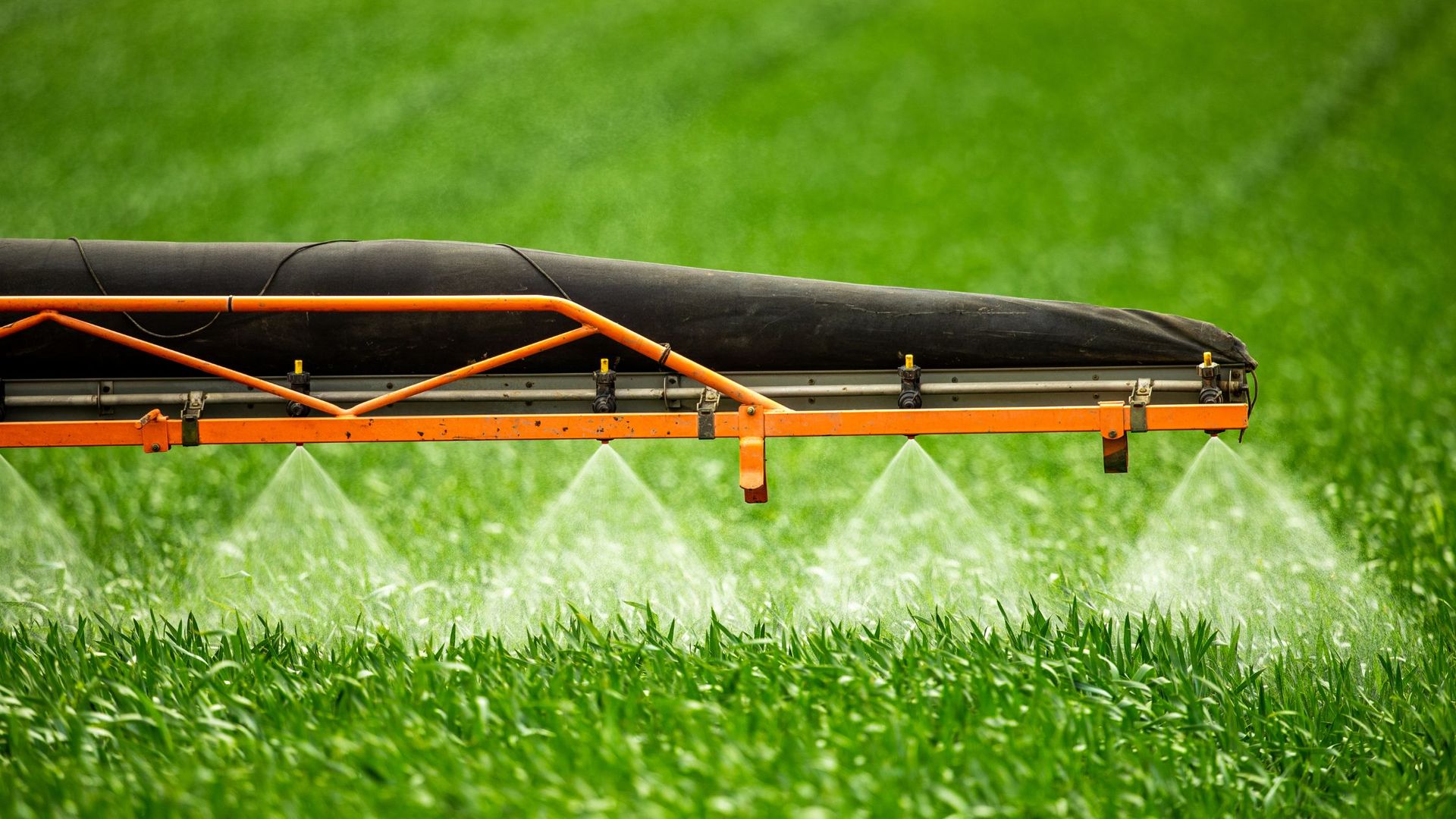
 The short answer: yes, organic farmers use herbicides — but not the synthetic kind. Every herbicide used in certified organic agriculture must be naturally derived and approved by the Organic Materials Review Institute (OMRI) or meet equivalent USDA National Organic Program standards. The distinction matters because it shapes everything from soil health to water quality to the food on your table.
This guide covers what USDA organic standards actually allow, how organic herbicides differ from synthetic ones, and what the same certification means for homeowners looking for organic weed control for their lawns.
What Organic Farming Actually Means
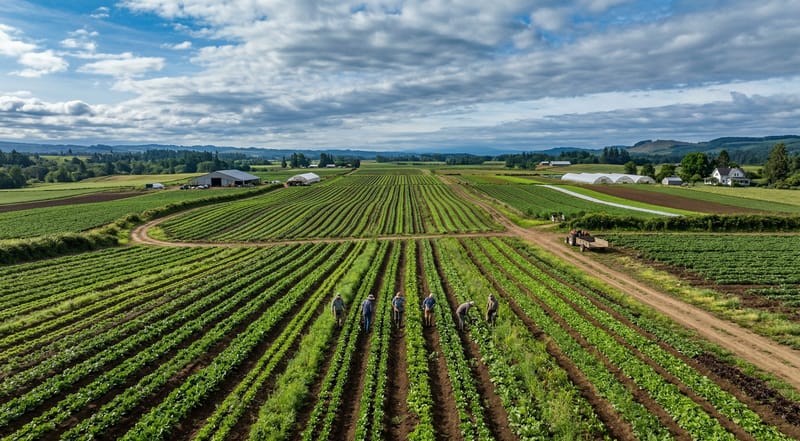
Organic farming is not the absence of pest and weed control — it is a different approach to it. The USDA National Organic Program (NOP) defines the standards that govern what certified organic operations can and cannot use. These standards are not suggestions — they are enforceable regulations backed by annual inspections, documentation requirements, and the potential for decertification.
The core principles:
No synthetic chemicals
Synthetic herbicides, pesticides, and fertilizers are prohibited. Only approved natural and naturally derived inputs may be used on certified organic land.
OMRI-approved inputs only
Any herbicide or pesticide must appear on the OMRI approved list or meet equivalent NOP standards. OMRI independently reviews every product's formulation, ingredient sourcing, and manufacturing process.
Annual inspections and documentation
Certified organic operations undergo annual site inspections. Farmers must maintain detailed records of every input used, every application made, and every crop harvested.
Soil health as a requirement
Organic certification requires demonstrated soil conservation practices. The goal is not just avoiding harm — it is actively building soil health over time through crop rotation, composting, and cover cropping.
Which Herbicides Are Allowed in Organic Farming?
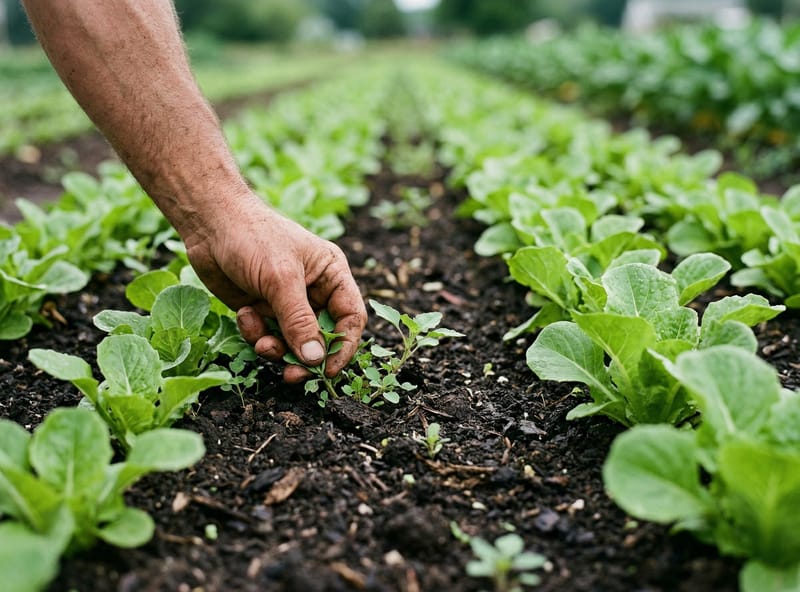
Organic herbicides fall into a specific category: they must be naturally derived, meaning their active ingredients come from natural sources rather than being synthesized in a laboratory. The USDA NOP maintains a National List of allowed and prohibited substances that dictates exactly what can be used on certified organic land.
The key distinction: Organic herbicides work through physical mechanisms — dehydration, contact burn, desiccation — rather than synthetic chemical disruption. They break down naturally in the environment, leave no persistent residue in the soil, and do not accumulate in waterways the way synthetic herbicides do. This is why the USGS water quality research consistently finds synthetic — not organic — herbicide residues in streams and groundwater.
The trade-off that existed for decades was this: every organic herbicide on the market was non-selective. It killed everything it touched — weeds and desirable plants alike. For a farmer managing row crops, this was workable (spray between rows). For a homeowner managing a lawn, it was useless — you would kill the grass along with the weeds.
That gap closed with the introduction of Salacia — the first OMRI-certified selective herbicide. For the first time, an organic product can target broadleaf weeds while preserving grass, using the same naturally derived approach but with Hybrisal Technology that delivers selectivity through mixing rate control. Learn how the mechanism works in our guide to selective herbicide science.
OMRI Certification: The Gold Standard
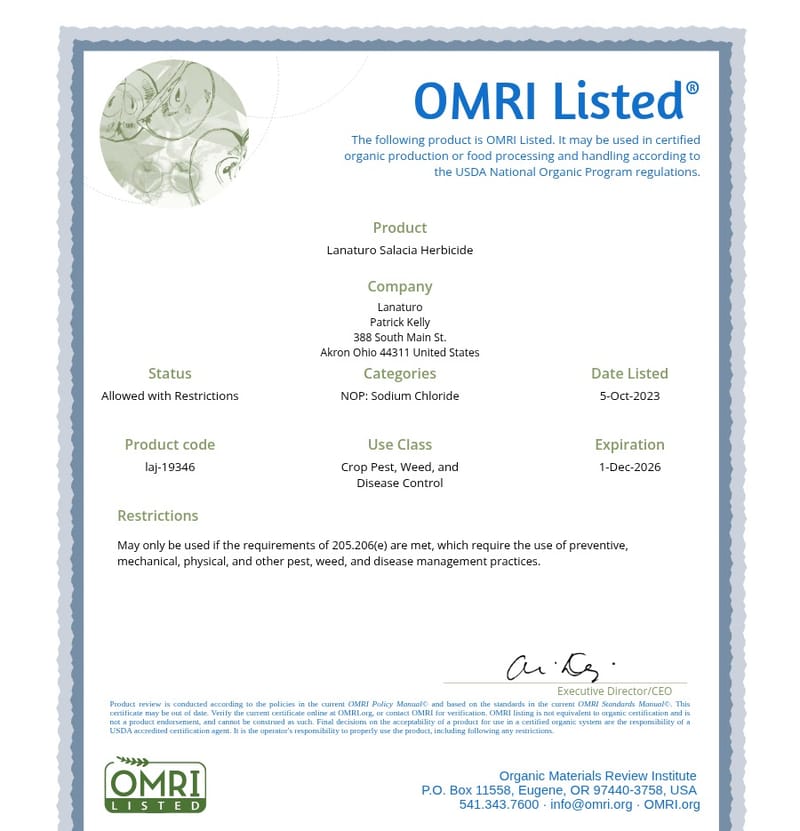
OMRI — the Organic Materials Review Institute — is an independent nonprofit that reviews products for compliance with USDA organic standards. An OMRI-listed product has undergone rigorous third-party evaluation:
- Formulation review: Every ingredient is evaluated for organic compliance
- Ingredient sourcing: Raw material origins are verified to ensure natural derivation
- Manufacturing process: Production methods are reviewed for contamination risks
- Ongoing monitoring: Listed products are subject to annual review and can be delisted if standards change or compliance lapses
OMRI certification is not a marketing claim — it is a verified third-party certification that organic farmers rely on when choosing inputs for their operations. When you see OMRI-listed on a lawn care product, it means that product meets the same standards required by commercial organic farms across North America.
Conventional vs. Organic Herbicides
| Factor | Conventional (Synthetic) | Organic (OMRI-Certified) |
|---|---|---|
| Source | Laboratory-synthesized compounds | Naturally derived ingredients |
| Mechanism | Hormone disruption, enzyme inhibition | Physical dehydration, contact desiccation |
| Soil Persistence | Days to weeks (some months) | No synthetic residue |
| Waterway Risk | Documented contamination (USGS) | Minimal — naturally derived, rapid breakdown |
| Certification | EPA registration | OMRI certification + EPA compliance |
| Pet Friendly | Generally no | Salacia: yes — on the label |
The environmental implications of this distinction are significant. Research from the USGS National Water-Quality Assessment Program has found synthetic herbicide residues in over 90% of tested US streams and rivers. Organic herbicides, which break down naturally and leave no persistent synthetic compounds, do not contribute to this contamination cycle. For a deeper look at how synthetic chemicals move from lawns into waterways, read our guide on pesticides in drinking water.
Integrated Weed Management in Organic Farming

Organic farmers do not rely on herbicides alone. Certified organic operations use integrated weed management — a combination of strategies that reduce weed pressure from multiple angles:
Crop Rotation
Alternating crops each season disrupts weed germination cycles. Different crops compete differently with weeds, preventing any single weed species from building up over time.
Cover Cropping
Planting cover crops like crimson clover or winter rye between cash crop seasons suppresses weeds through competition for light, water, and nutrients. Cover crops also build soil organic matter.
Mechanical Cultivation
Tractor-mounted cultivators, hand hoeing, and flame weeding physically remove or destroy weeds. Labor-intensive but leaves zero chemical residue of any kind in the soil.
Mulching
Organic mulch — straw, wood chips, compost — blocks sunlight from reaching the soil surface, preventing weed seed germination while retaining moisture and building soil health.
The same integrated approach applies to residential lawn care. Maintaining thick, healthy turf through proper mowing, watering, and overseeding creates the competitive environment that prevents weeds from establishing. When weeds do break through, targeted organic herbicide treatment handles the rest.
What This Means for Your Lawn
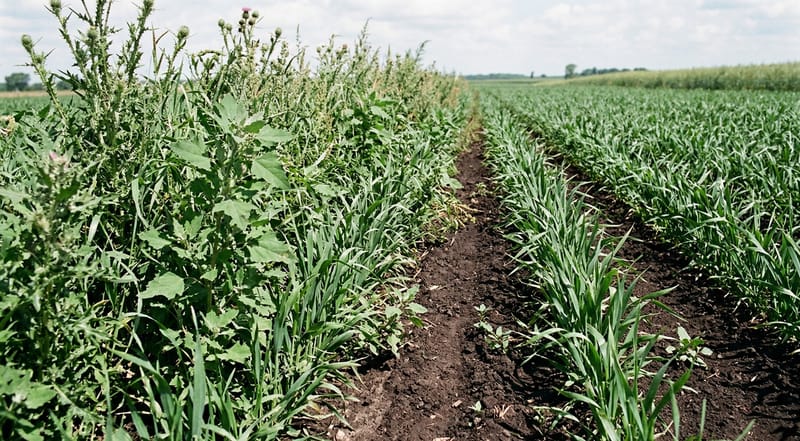
The organic farming framework translates directly to homeowner weed control. The same OMRI certification that organic farmers rely on for their commercial operations is available for your lawn. When you use an OMRI-certified herbicide, you are applying a product that meets the same standards as the inputs used on certified organic farms across North America.
The breakthrough for homeowners came with selectivity. Organic farmers managing row crops could use non-selective organic herbicides between rows without harming their cash crops. But homeowners managing lawns could not — spraying a non-selective organic herbicide on a lawn killed the grass along with the weeds. That limitation no longer exists. Salacia delivers selective weed control with OMRI-certified organic ingredients — killing broadleaf weeds like dandelions, clover, and wild violet while your grass stays green.
To learn whether organic weed killers deliver the same results as synthetic products — with data from real-world testing — read our companion article: does organic weed killer work? For pet owners concerned about lawn chemicals, see is organic weed killer safe for pets? To understand how selective herbicides differentiate between weeds and grass, read what is a selective weed killer. For application timing, see the timing and application guide.
Ready to Take Back Your Lawn?
Salacia™ is the first OMRI-certified selective organic herbicide — kills weeds, not grass. Choose your lawn size:
Not sure what's in your lawn?
Our Weed Control Guide covers 46 weeds with before-and-after photos, mixing rates, treatment techniques, and full guides.
Explore the Weed Control Guide →
Lawn
Advisor
Not sure which weed you're looking at? Show Sal.
Sal is Lanaturo's lawn-care expert. He doesn't just name the weed — he builds your exact treatment plan and checks whether today is the right day to spray.
Ready to Take Back Your Lawn?
Salacia™ is the first OMRI-certified selective organic herbicide — kills weeds, not grass. Choose your lawn size:
Farm-Grade Certification. Lawn-Ready Selectivity.
Organic farmers have been using naturally derived herbicides for decades — but homeowners never had a selective option until now. Same OMRI certification commercial farms depend on. Same naturally derived approach. The first product that brings organic farming standards to residential weed control without sacrificing your lawn.
Pet Friendly — everything else second.
This article is for informational purposes. Always follow product label directions for application rates, timing, and use. Salacia is OMRI certified organic and labeled Pet Friendly.