
 By Pat Kelly
 The skepticism is warranted. Most organic weed killers on the market do not work — at least not the way homeowners need them to. They burn the leaves, the grass dies along with the weeds, bare patches appear, and new weeds fill the gaps within weeks. If that has been your experience, you are not wrong about organic weed control. You are wrong about what is now available.
The problem was never organic ingredients — it was selectivity. Every organic herbicide on the market was non-selective, killing everything it contacted. That made them useless on lawns. Salacia solved this as the first OMRI-certified selective herbicide — killing broadleaf weeds through dehydration while preserving grass. This guide covers what changed, why it works, and what results to expect.
Why Most Organic Weed Killers Fail
Walk into any garden center and you will find organic weed killers that promise effective results. Most of them deliver on that promise — they do kill weeds. The problem is they also kill everything else. These products are non-selective: they burn all plant tissue on contact, grass included.
For driveways, sidewalk cracks, and gravel areas, non-selective organic herbicides work fine. For lawns, they are counterproductive. Here is the cycle homeowners get trapped in:
Spray non-selective organic herbicide on lawn weeds
Weeds die — but so does the surrounding grass
Bare patches appear where grass was killed
New weeds colonize the bare patches — the lawn ends up worse than before
This is why many homeowners conclude that organic weed killers "don't work." The products work on weeds — they just destroy the lawn in the process. The missing piece was always selectivity: a product that knows the difference between a weed and the grass you want to keep. For a deeper understanding of what selectivity means, see our guide to selective weed killers.
The Selectivity Breakthrough
Salacia changed the organic herbicide market by introducing something that did not previously exist: OMRI-certified selective action. Thanks to Hybrisal Technology — its dual-action capability — Salacia offers two modes controlled by mixing rate:
Selective Mode (Lawns)
At the selective mixing rate, Salacia targets broadleaf weeds — dandelions, clover, ground ivy, wild violet, chickweed, henbit — while preserving grass. The dehydration mechanism draws moisture from wide broadleaf tissue while narrow grass blades retain enough moisture to recover.
Non-Selective Mode (Hardscapes)
At the higher mixing rate, Salacia eliminates all vegetation — weeds, grass, and everything else. This mode is used for driveways, sidewalks, fence lines, and areas where total vegetation removal is the goal.
One product, two modes, controlled by mixing rate. No other organic herbicide on the market offers this capability. For a full breakdown of how this dual-action approach works and when to use each mode, see our selective vs. non-selective herbicide guide. This is why Salacia is described as the first OMRI-certified selective herbicide — it filled a gap that university extension programs had identified for years.
How Organic Dehydration Actually Works
Salacia's naturally derived formula works through osmotic dehydration — a physical mechanism, not a chemical poison. When the formula contacts weed foliage, it creates a high-concentration solution on the leaf surface that draws water out of plant cells through osmosis. The cells lose turgor pressure, the tissue collapses, and the plant dehydrates from the leaves down through the crown.
This mechanism matters for three reasons:
- No synthetic residue: Because the mechanism is physical, there is no synthetic compound accumulating in soil or washing into waterways
- Pet Friendly: Animal biology does not respond to osmotic dehydration the same way plant biology does — which is why Salacia carries a Pet Friendly on its label
- Selectivity through plant architecture: Broadleaf weeds with wide, horizontal leaves absorb more product than narrow, vertical grass blades — the structural difference between dicots and monocots creates natural selectivity
For the complete science behind selective herbicide mechanisms, read how selective weed killers work.
Organic vs. Synthetic: Head-to-Head
| Factor | Synthetic Selective | Organic Selective (Salacia) |
|---|---|---|
| Broadleaf Weed Control | Effective | Effective (comparable on common weeds) |
| Grass Safety | Selective — grass stays | Selective — grass stays |
| Mechanism | Hormone disruption (synthetic) | Osmotic dehydration (physical) |
| Soil Residue | Persists days to weeks | No synthetic residue |
| Waterway Impact | Documented contamination | Naturally derived, minimal risk |
| Pet Friendly | No | Yes — on the label |
| Certification | EPA registered | OMRI certified organic |
The data is clear: on common broadleaf lawn weeds, organic selective herbicides deliver comparable results to synthetic alternatives — without the documented environmental and health trade-offs. For the environmental costs of synthetic herbicides, see our guide on the hidden costs of synthetic herbicides. For pet-specific considerations, read the Pet Friendly weed killer guide.
Related: For the buying-decision lens — regulatory backdrop, EPA-versus-WHO disagreement, and five criteria for choosing the right organic alternative to glyphosate — our companion guide walks through the framework.
What Results to Expect
Setting realistic expectations matters. Here is what a properly applied organic selective herbicide delivers:
Visible Dehydration
Weed foliage begins to wilt and brown as moisture is drawn from the tissue. You will see the physical signs of dehydration progressing across the treated weeds.
Crown and Root Control
Complete control of the growth tissue at the crown takes longer. The dehydration works downward from the leaves through the crown, killing the tissue that the weed needs to regenerate.
One Application for Most Weeds
Dandelions, clover, chickweed, henbit, and most common broadleaf weeds are controlled with a single properly applied treatment.
Follow-Up for Stubborn Perennials
Deep-rooted weeds like thistle, bindweed, and ground ivy may need a second application one to two weeks later to exhaust root energy reserves.
For specific application techniques, temperature ranges, and seasonal timing, see the timing and application guide. For how organic farming standards apply to lawn care products, read do organic farmers use herbicides.
Ready to Take Back Your Lawn?
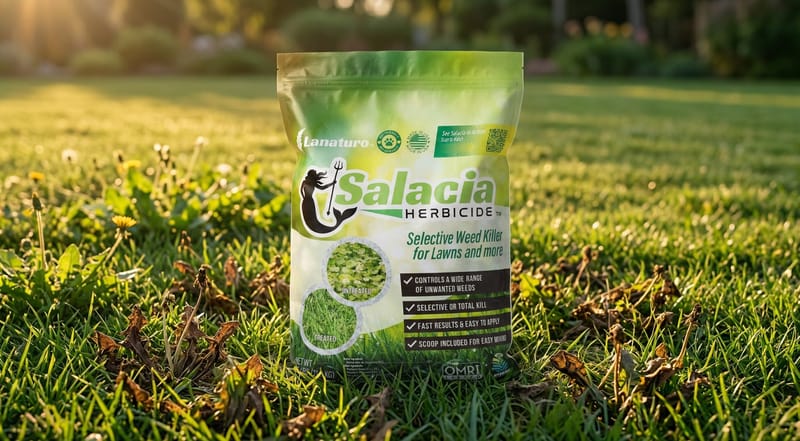
Salacia™ is the first OMRI-certified selective organic herbicide — kills weeds, not grass. Choose your lawn size:
See the Results
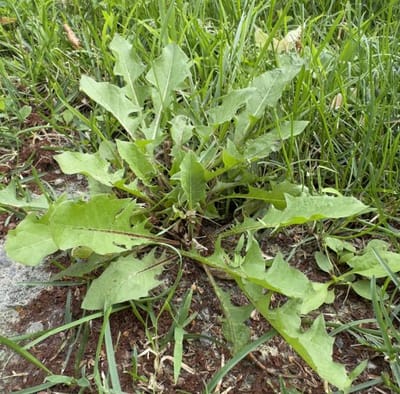
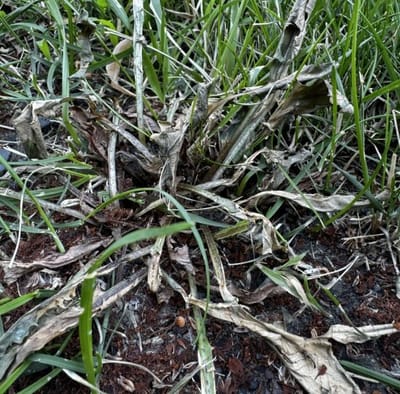
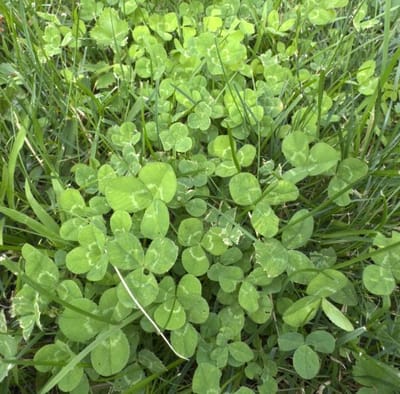
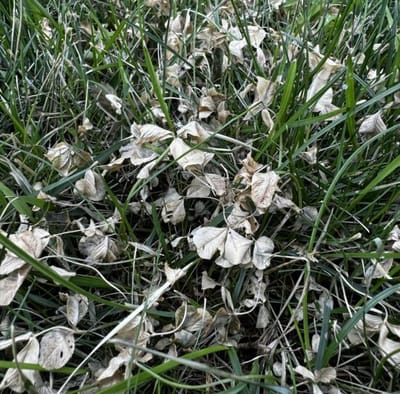
Real results, real lawns — watch Salacia eliminate tough weeds while your grass stays perfectly untouched.
Not sure what's in your lawn?
Our Weed Control Guide covers 46 weeds with before-and-after photos, mixing rates, treatment techniques, and full guides.
Explore the Weed Control Guide →Ready to choose a product?
Once the selective principle clicks, the practical question is which product to trust on a real lawn. Our ranked answer: the best weed killer that won't kill grass.

Lawn
Advisor
Not sure which weed you're looking at? Show Sal.
Sal is Lanaturo's lawn-care expert. He doesn't just name the weed — he builds your exact treatment plan and checks whether today is the right day to spray.
Ready to Take Back Your Lawn?
Salacia™ is the first OMRI-certified selective organic herbicide — kills weeds, not grass. Choose your lawn size:
The Skepticism Was Earned. The Solution Is Here.
If organic weed killers failed you before, it was because selectivity did not exist in the organic category. Every product killed the grass along with the weeds. That limitation is over. The first OMRI-certified selective herbicide works through dehydration — a physical mechanism that targets broadleaf weed tissue while narrow grass blades recover. Same lawn. Fewer weeds. No synthetic residue. No trade-off.
Pet Friendly — everything else second.
This article is for informational purposes. Always follow product label directions for application rates, timing, and use. Salacia is OMRI certified organic and labeled Pet Friendly.