
 By Pat Kelly
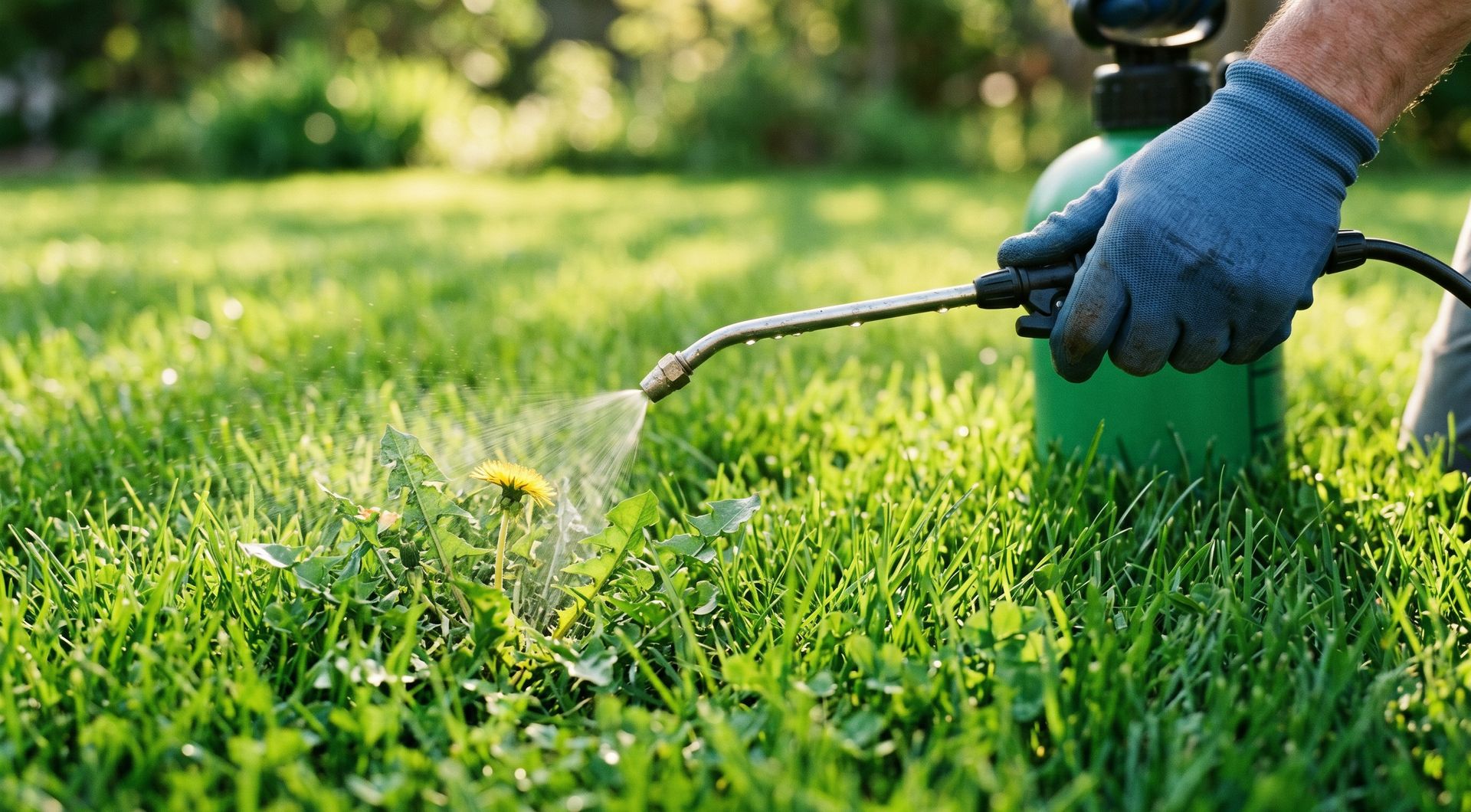
 Almost every homeowner searching for the best weed killer that won't kill grass has already made the same mistake at least once: they reached for a spray, hit the weeds, and watched a ring of brown lawn die right along with them. The weed came back. The bare patch did not fill in.
The product you actually want is a selective weed killer — one that treats the weeds growing inside your turf as targets while the grass keeps standing. That single distinction is the whole game, and it is exactly what Salacia was built to do.
This guide breaks down the five things a weed killer must do to spare your lawn, scores each one honestly, and is straight with you about the one job no grass-safe product can do. Use the criteria as a checklist — for any product, not just ours.
The direct answer: The best weed killer that won't kill grass is a selective herbicide — it targets broadleaf weeds like dandelion, clover, and wild violet while leaving lawn grasses standing. Salacia is the first OMRI-certified selective organic herbicide. Applied at the lawn rate, it dehydrates broadleaf weeds on contact and is Pet Friendly.
Salacia is designed to be selective at the lawn rate, but temporary paling or yellowing of grass is possible depending on lawn health, irrigation, application rate, and conditions. Test a small area first.
What "Won't Kill Grass" Really Means
There are two kinds of weed killers, and confusing them is how most lawns get scorched. A non-selective product kills nearly any green plant it touches — weed, grass, flower, all of it. A selective product is formulated to take out one group of plants while leaving another standing. As the overview of herbicides puts it, "selective herbicides control specific weed species while leaving the desired crop relatively unharmed."
For a lawn, the desired "crop" is your turfgrass, and the targets are broadleaf weeds — dandelion, clover, wild violet, chickweed, ground ivy, and the rest. These plants have wide, flat leaves and a different structure from the narrow upright blades of grass. A well-designed selective herbicide exploits that difference. If you want the full mechanics, the selective vs non-selective breakdown covers it.
So when someone searches for a weed killer that is "safe for grass" or one that will "kill weeds not grass," what they are really describing is a selective herbicide. Everything below is how to pick a good one.
5 Criteria for a Weed Killer That Spares Grass
A product earns the title of best weed killer that won't kill grass only if it clears all five of these. Most products clear two or three. Run any bottle on the shelf through this list before you buy.
- Selective action — spares grass at the labeled lawn rate.
- A thorough kill — takes down the plant it contacts, not a cosmetic top-burn that greens back up.
- Organic and OMRI certified — no synthetic residue questions on the ground your family uses.
- Pet Friendly — the yard goes back to being the dog's yard.
- Honest limits — the maker tells you what it does not do.
Here is how each criterion works, and how Salacia scores on it.
Criterion 1: It Has to Be Selective
This is non-negotiable, because the weeds you care most about live inside the lawn. You cannot spot-spray a dandelion in the middle of the yard with a non-selective product without killing a patch of grass around it — and a bare patch is just an open invitation for the next weed. Selectivity is the entire reason a grass-safe weed killer exists.
How Salacia scores: Salacia is the first OMRI-certified selective organic herbicide, and it runs at two strengths. The selective lawn rate is 3 cups per gallon — the dilution designed to take out broadleaf weeds while your turf keeps standing. (It also has a stronger non-selective rate of 4 cups per gallon for hardscape and bed edges, where you want everything gone.) On the lawn, you reach for the 3-cup mix.
The grass-safety caveat, in full: Salacia is designed to be selective at the lawn rate, but temporary paling or yellowing of grass is possible depending on lawn health, irrigation, application rate, and conditions. Test a small area first. A healthy, well-watered lawn shrugs off a selective treatment far better than a stressed, drought-tired one.
Criterion 2: It Kills What It Touches, Not Just the Tips
Plenty of grass-safe sprays do something visible — the weed wilts, browns at the edges — and then, a week later, it greens right back up from the center. That is a cosmetic burn, not a kill. A weed killer worth buying has to actually take the plant down.
Salacia works by rapid osmotic dehydration. It is a contact herbicide that acts only where the spray lands: it pulls moisture out of the broadleaf weed's tissue faster than the plant can replace it, and the plant collapses. Usually one good drenching kills what it touches. Because grass blades are narrow and upright, the same application that floods a wide broadleaf leaf runs off the turf — which is what makes the selectivity work.
Two honest notes that come with a contact herbicide. First, coverage matters — because it acts only where it lands, you have to actually wet the weed; a missed leaf is a surviving leaf. Second, on established perennials with deep reserves (think a mature dandelion or creeping ground ivy), you may see regrowth in roughly one to three weeks. That regrowth is new growth pushing up from the root, not the original plant reviving, and a second drenching handles it. The trade you are making is clear: an organic, Pet Friendly contact herbicide asks for thorough coverage and the occasional follow-up, in exchange for not putting synthetic chemistry on the ground your kids and dog use. For the science, see how selective weed killers work.
Criterion 3: Organic and OMRI Certified
"Safe for grass" and "safe for everything else around the grass" are two different questions. A weed killer that spares your turf but leaves a synthetic residue across the yard has only solved half the problem. Many conventional lawn products rely on synthetic broadleaf herbicides — the 2,4-D products and similar chemistry — to get selectivity. They work, but they are not something you want your dog rolling in.
How Salacia scores: Salacia carries OMRI certification, the organic-input standard the industry actually recognizes. It delivers selective control through a plant-derived dehydration mechanism rather than synthetic chemistry — which is the whole reason it can be both grass-sparing and genuinely organic. If you want a wider look at the category, the best organic weed killer guide compares the options, and killing weeds organically without killing grass walks through the approach end to end.
Criterion 4: Pet Friendly
For a lot of homeowners, this is the real reason they went looking for a grass-safe weed killer in the first place: they did not want to fence the dog off the lawn after every treatment. The point of a yard is to use it.
How Salacia scores: Salacia is labeled Pet Friendly. That, paired with the organic certification, is what lets the lawn go back to being the dog's lawn instead of a chemistry experiment with a "keep off" flag in it. As always, follow the label directions for application and let treated foliage dry.
Criterion 5: Honest About Its Limits
A weed killer that claims to do everything is lying about at least one thing. The most trustworthy products tell you plainly where they stop — because knowing the boundary is how you actually get results instead of disappointment.
How Salacia scores: Salacia controls broadleaf weeds. That is the entire lane, and it is a wide one — dandelion, clover, wild violet, chickweed, ground ivy, henbit, wild violet, ragweed, knotweed, bindweed, and dozens more. It is a contact herbicide, not a pre-emergent, so it works on weeds you can see, not seeds in the soil. And it does not control grassy weeds. That last point matters enough to get its own section.
The Honest Catch: Grassy Weeds Are a Different Problem
Here is the line no honest grass-safe weed killer can cross. The same logic that lets a selective herbicide spare your lawn grass also means it cannot kill weeds that are grasses. Crabgrass, foxtail, and quackgrass belong to the grass family, Poaceae — botanically, they look a lot like the lawn you are trying to protect. A product built to tell broadleaf weeds apart from grass blades has no way to single out a grassy weed standing in a grassy lawn.
Nutsedge is a third category entirely — it is a sedge, not a true grass or a broadleaf — and it is not what Salacia is for either.
Quick reality check on what Salacia does and does not control
Controls (broadleaf): dandelion, clover, wild violet, chickweed, ground ivy, henbit, purple deadnettle, wild violet, ragweed, knotweed, bindweed, spurge, oxalis, and most wide-leafed lawn weeds.
Does not control (grassy / sedge): crabgrass, foxtail, quackgrass, goosegrass, and nutsedge. These need a grass-specific approach, not a selective broadleaf herbicide. Anyone who tells you one bottle handles both is selling you the wrong bottle. (See our honest organic guides to getting rid of crabgrass naturally and nutsedge.)
This is not Salacia being weak — it is the unavoidable physics of "won't kill grass." If a product could wipe out crabgrass while sparing the rest of your lawn, it would not be a true selective broadleaf herbicide. Knowing the difference is what separates a homeowner who gets a clean lawn from one who keeps buying the wrong product.
The Straight Answers
Four questions come up more than any others. Here they are answered plainly, before the detail.
Does it actually spare the grass? Across 65 species tested at 28 field sites, every perennial lawn grass survived treatment — Kentucky bluegrass, perennial ryegrass, tall fescue and the fine fescues all came through with zero mortality. Test a small area first.
Why does it leave grass alone? The reason is physical, not chemical. Lawn grasses carry a thicker, waxier leaf cuticle, so the solution beads up and runs off. Broadleaf weeds have a thinner, more permeable cuticle that lets it through to the cells beneath, where it pulls the water out until the tissue collapses. Nothing is carried up into the rest of the plant. Penn State Extension's guide to weed management in turf covers the broader selective-versus-non-selective distinction.
Is it safe around pets? Salacia is Pet Friendly. It works by dehydration rather than poisoning — a physical process on the leaf surface. Let the treated area dry before allowing pets back, not because of safety concerns, but because animals may be attracted to lick it, which could affect results.
How much do I mix, and where do I get it? One pound per gallon — about three cups — is the selective rate that spares lawn grass. One and a half pounds, about four cups, is the non-selective rate for gravel, beds and cracks. Spray to the point of run-off so the leaf is genuinely wetted. One bag does both jobs, and it ships direct across the United States from lanaturo.com.
What the field trials measured
Ground ivy — the weed most people give up on — averaged 98.7% leaf mortality across a multi-site field trial, and one site showed no regrowth a full year after treatment. University of Wisconsin–Madison Extension's page on controlling creeping charlie explains why that weed is so persistent in the first place.
White clover averaged 82.9% leaf mortality in those trials, and 87.1% at the sites where the spray actually reached the full leaf — which is why coverage matters more than volume. Aim for at least 200 millilitres per square metre; below that the leaf is not fully wetted and the result drops off, because the treatment only acts where it lands.
In trials run at 45–55°F it still worked — the cool-weather window where most organic options stall. And on the question people ask about salt in the soil: chloride measured 608–811 ppm after treatment in those field trials, below the 1,250 ppm threshold, and washed out with rainfall. Twenty-one native plant species recolonized the treated ground without any reseeding.
How the options actually compare
Four broad classes of product get recommended for weeds in a lawn. They behave very differently.
| DIY burn-down sprays | Iron-based (chelated iron) | Synthetic selective | Salacia | |
|---|---|---|---|---|
| Spares the lawn | No — burns whatever it touches, grass included | Yes | Yes | Yes — test a small area first |
| OMRI-certified organic | Some products | No — mineral-based, not certified organic | No | Yes |
| What the kill looks like | Fast top-burn, roots regrow | Broadleaf blackening | Slow wilt over weeks as the plant carries it inward | Rapid dehydration of whatever the spray touches |
| Selective and total-kill from one bag | No | No | No | Yes — the mixing rate decides which job it does |
Salacia is the first OMRI-certified selective organic herbicide: it kills broadleaf weeds by drawing the water out of their cells while lawn grasses stay standing. That combination — certified organic and selective, from a single bag — is the row nothing else in the table fills.
How to Use It on Your Lawn
Once you have the right product, the application is simple. The goal is thorough contact on the weeds and a quick run-off on the grass.
Mix to the lawn rate
Use the selective rate of 3 cups per gallon for in-lawn broadleaf weeds. Save the stronger 4-cups-per-gallon non-selective mix for hardscape, gravel, and bed edges where you want a clean sweep.
Test a small area first
Salacia is designed to be selective at the lawn rate, but temporary paling or yellowing of grass is possible depending on lawn health, irrigation, application rate, and conditions. Treat a small patch, watch the grass, then go wide.
Drench the weed, do not mist it
Because it works on contact, coverage is everything. Wet the whole broadleaf leaf surface. Usually one good drenching kills what it touches; a leaf you miss is a leaf that survives.
Plan a follow-up on tough perennials
Deep-rooted perennials like established dandelion or ground ivy can push new growth from the root in roughly one to three weeks. That is new growth, not a resurrection — a second drenching closes it out.
For a visual reference of every weed Salacia controls, with identification photos, keep the Weed Control Guide handy while you walk the yard.
Ready to Take Back Your Lawn?
Salacia™ is the first OMRI-certified selective organic herbicide — kills weeds, not grass. Choose your lawn size:
See the Results
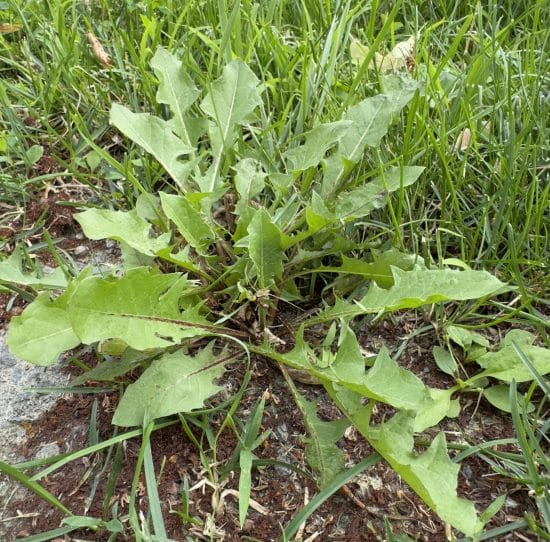
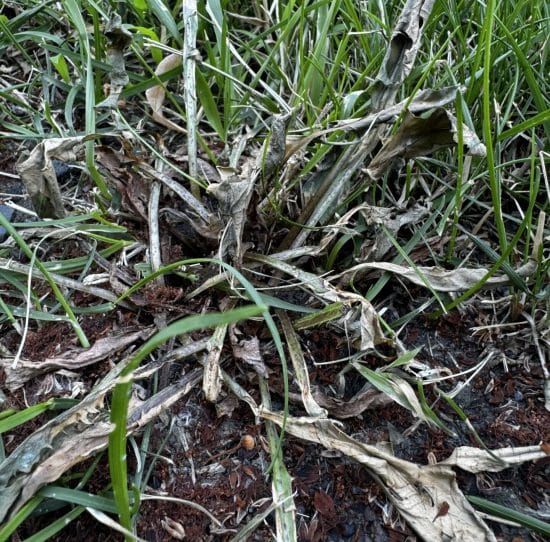
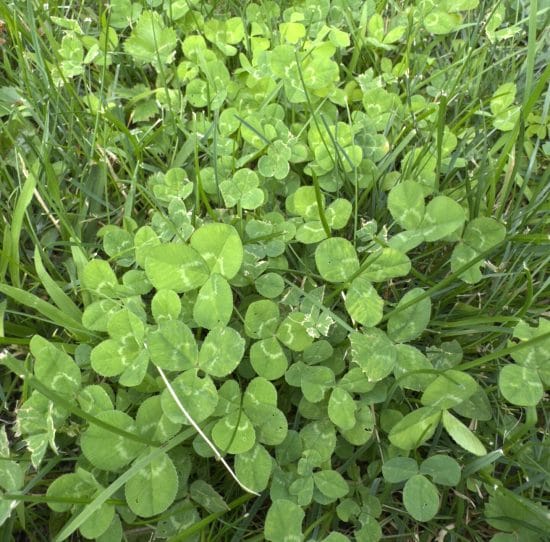
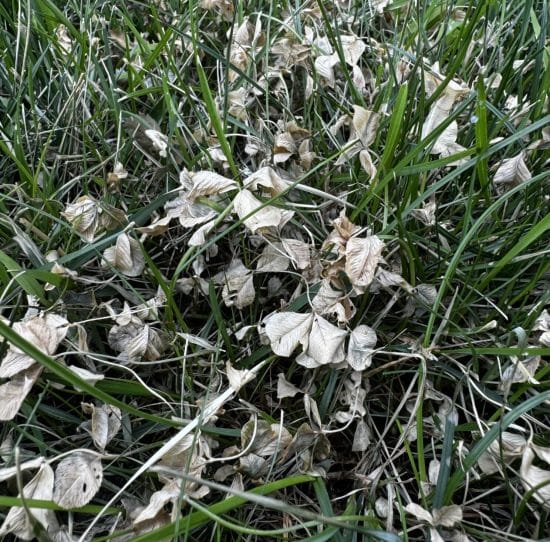
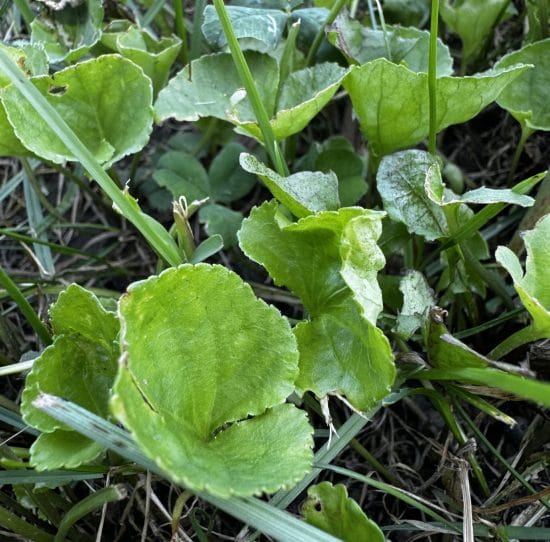
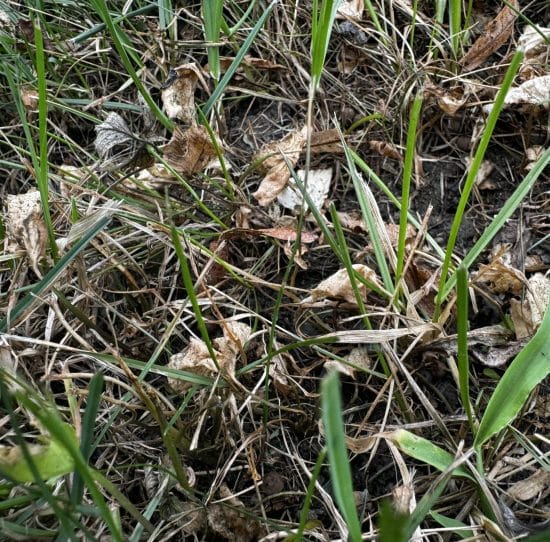
Real lawns, real broadleaf weeds — gone, with the grass left standing.
 BEFORE
 AFTER
AFTER
DANDELION
 BEFORE
 AFTER
AFTER
CLOVER
 BEFORE
 AFTER
AFTER
WILD VIOLET
Each of these is a broadleaf weed pulled out of the middle of a living lawn — the exact job a selective weed killer is for. The grass that was around them is still there.

Lawn
Advisor
Not sure which weed you're looking at? Show Sal.
Sal is Lanaturo's lawn-care expert. He doesn't just name the weed — he builds your exact treatment plan and checks whether today is the right day to spray.
Ready to Take Back Your Lawn?
Salacia™ is the first OMRI-certified selective organic herbicide — kills weeds, not grass. Choose your lawn size:
The Weeds Go. The Grass Stays.
The best weed killer that won't kill grass is not a trick or a label promise — it is a selective herbicide that knows the difference between a broadleaf weed and a blade of turf. It clears dandelion, clover, wild violet, and the rest of the broadleaf crowd, it does the one job it claims and tells you the one it won't, and it does all of it without leaving synthetic chemistry on the ground your family lives on. That is the whole standard, and there is one product that meets every line of it.
Pet Friendly. OMRI certified. The first selective organic herbicide — built for exactly this.
This article is for informational purposes. Always follow product label directions for application rates, timing, and use. Salacia controls broadleaf weeds, is OMRI certified organic, and is labeled Pet Friendly. It does not control grassy weeds such as crabgrass, nor does it work as a pre-emergent.